
Iran says it controls Strait of Hormuz; U.S. says talks are not optional
Tehran insists it has sole authority over the waterway, but Washington isn't convinced, setting up high-stakes negotiations.
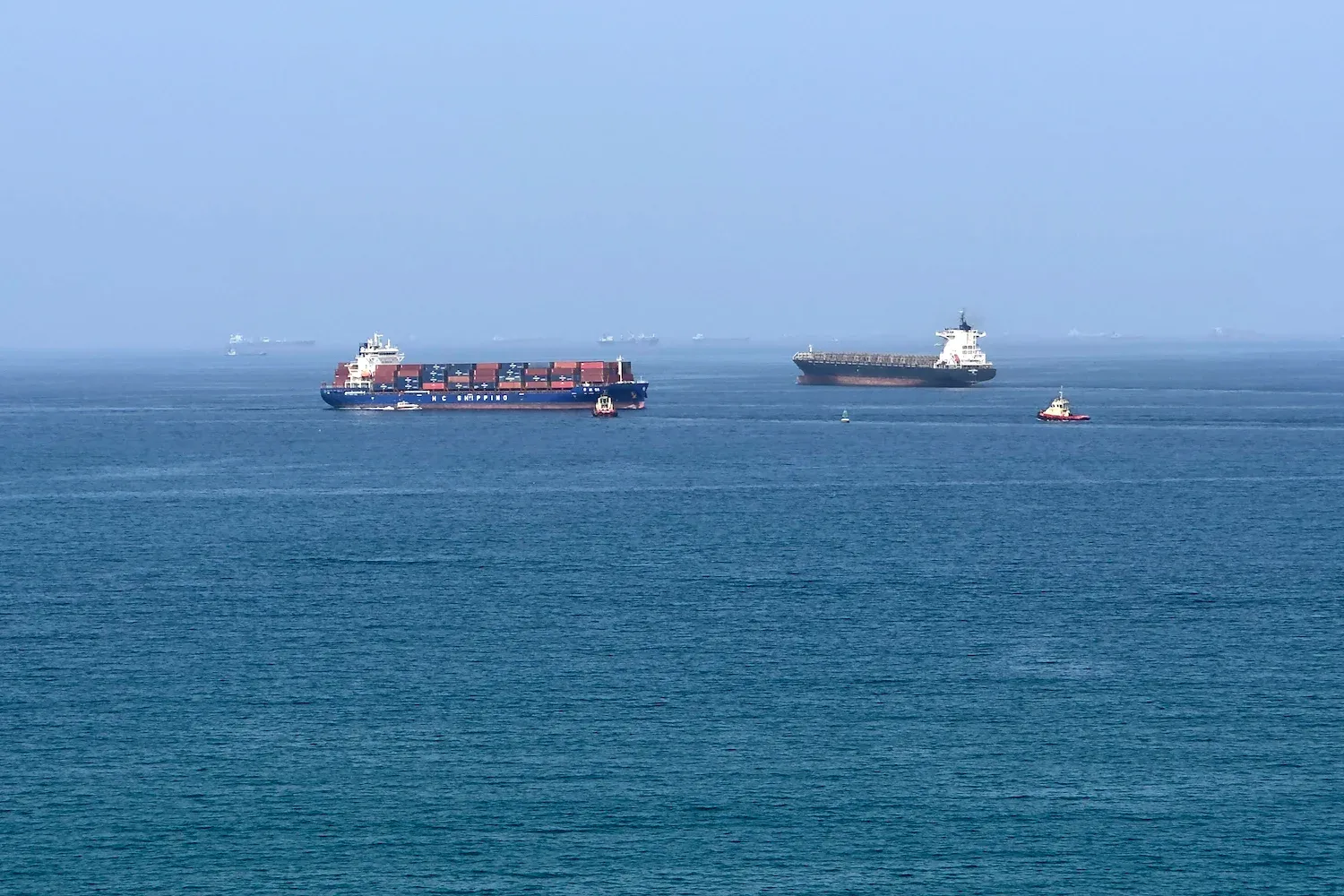
Iran and the United States are preparing for talks on the Strait of Hormuz, with Tehran insisting it has sole authority over the waterway. The core consequence is immediate leverage: Washington is pushing back on that claim, so outcomes could determine how trade, risk, and policy are managed.
Iran is preparing for talks on the Strait of Hormuz with a specific claim in hand: it insists it has sole authority over the waterway. The United States, according to the reporting, is not convinced.
That mismatch is the point, and it is happening in public, which matters. When one side insists on “sole authority” and the other side rejects the premise, the negotiations are not just diplomatic theater. They are a fight over the legal and operational framework that will shape how shipping lanes are governed, how enforcement is interpreted, and how risk is priced by markets that care deeply about the reliability of global chokepoints.
The Strait of Hormuz is one of those places where the world’s everyday economic plumbing can turn into an immediate stress test. Even if no shots are fired, uncertainty around control and authority can raise the perceived chance of disruption. For executives, the practical question becomes: what happens to the assumptions in contracts, insurance, and sourcing plans when a waterway’s governance looks contested?
Negotiations that revolve around authority are different from talks that revolve around narrow technical rules. Authority determines who can set terms, who can claim enforcement rights, and how other governments and private actors should interpret actions at sea. In other words, it is not only about what is said in a meeting. It is about what downstream actors assume that meeting will legitimize.
From Washington’s perspective, rejecting Tehran’s “sole authority” insistence is about preserving a broader stance on navigation and international use. The source is clear that “Washington isn’t convinced,” which signals that the U.S. does not accept the legal premise Tehran is bringing to the table. That is the kind of position that can harden quickly. Once a country publicly frames a claim as illegitimate, it tends to raise the cost of later concessions. Decision-makers then have to balance two risks: backing down and undermining credibility, or holding the line and escalating uncertainty.
From Tehran’s perspective, insistence on sole authority suggests a strategy aimed at controlling the narrative and the endgame. If a party can frame the waterway as primarily under its jurisdiction, it strengthens its negotiating posture and may deter others from treating its actions as violations of international norms. Even if the immediate talks do not fully resolve the legal dispute, the claim itself can be used as leverage in any subsequent discussions about acceptable behavior and constraints.
There is also a second-order governance dynamic here: markets and insurers do not wait for perfect legal clarity. They respond to signals. If investors believe that negotiations will be based on irreconcilable authority positions, they may price a wider distribution of outcomes, including higher volatility in costs related to shipping and commodities. That is not speculation for its own sake. It is how risk models react when legal frameworks appear unstable.
For boards and senior leadership teams, the strategic stake is that “talks” do not automatically mean “stability.” Talks can be a pathway to de-escalation, but they can also be the scene where positions crystallize and third parties recalibrate their exposure. The source gives the essential headline truth: Tehran insists it has sole authority, and Washington is not convinced. That is the fault line. The rest of the executive work is determining which operational and financial assumptions in your business depend on the chokepoint being governed in a predictable way, and how quickly your organization can adapt if predictability gets replaced by contested control.
This story's Key Insights and Take-aways are locked.
Create a free account to unlock Executive Actions for one credit.
Register to UnlockAlways free for Executives Club members. Join the Club
More in Politics
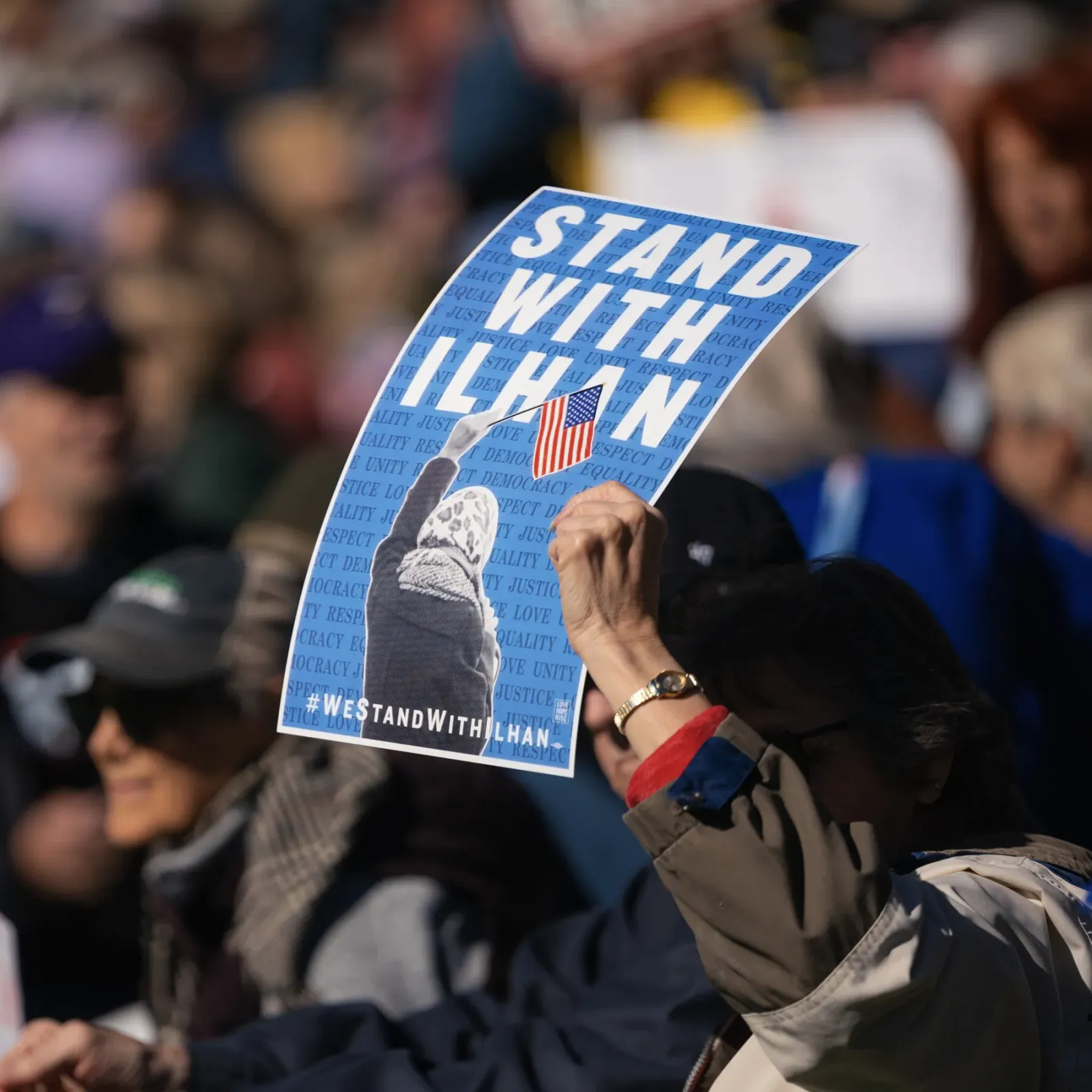
Obama Defends Ilhan Omar After Agents Search Her Home in Trump Inquiry
The former president's intervention raises the stakes in a federal probe into immigration paperwork that has put a prominent progressive lawmaker in the crosshairs.

Blair-era minister: cut welfare to fund youth job support
Alan Milburn's call for welfare cuts to fund employment support opens a Labour fight over benefits and the Neet crisis.
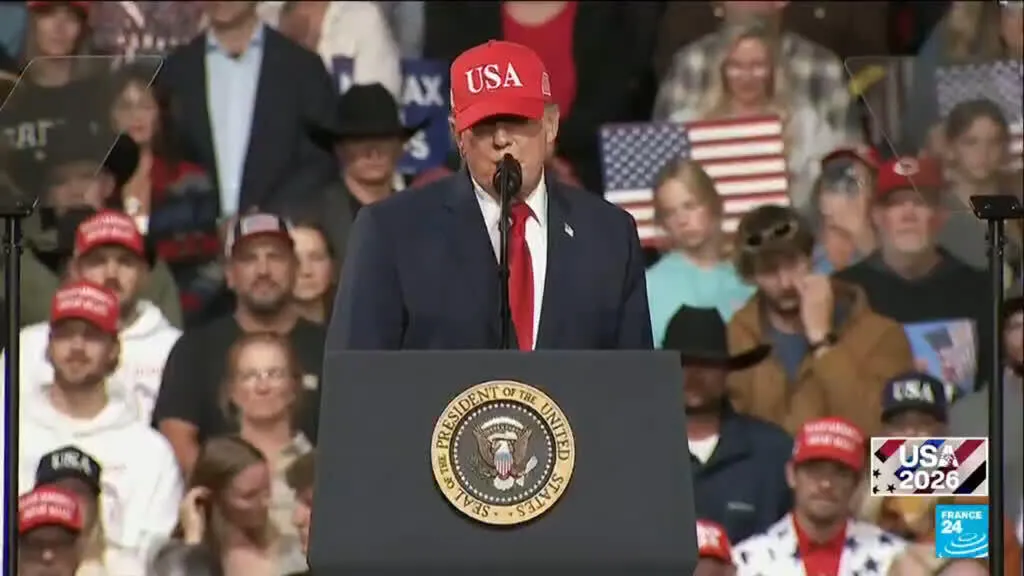
Hot September CPI: energy costs surge, voters feel the squeeze before midterms
The latest inflation print lands as Trump campaigns for GOP control of Congress, putting cost-of-living worries at the center of the midterm fight.