

Iran signals “blood in the water” as Trump keeps hesitating on major strikes
Proxies expand the conflict while deterrence dynamics shift, leaving energy markets and election-year leverage on the line.
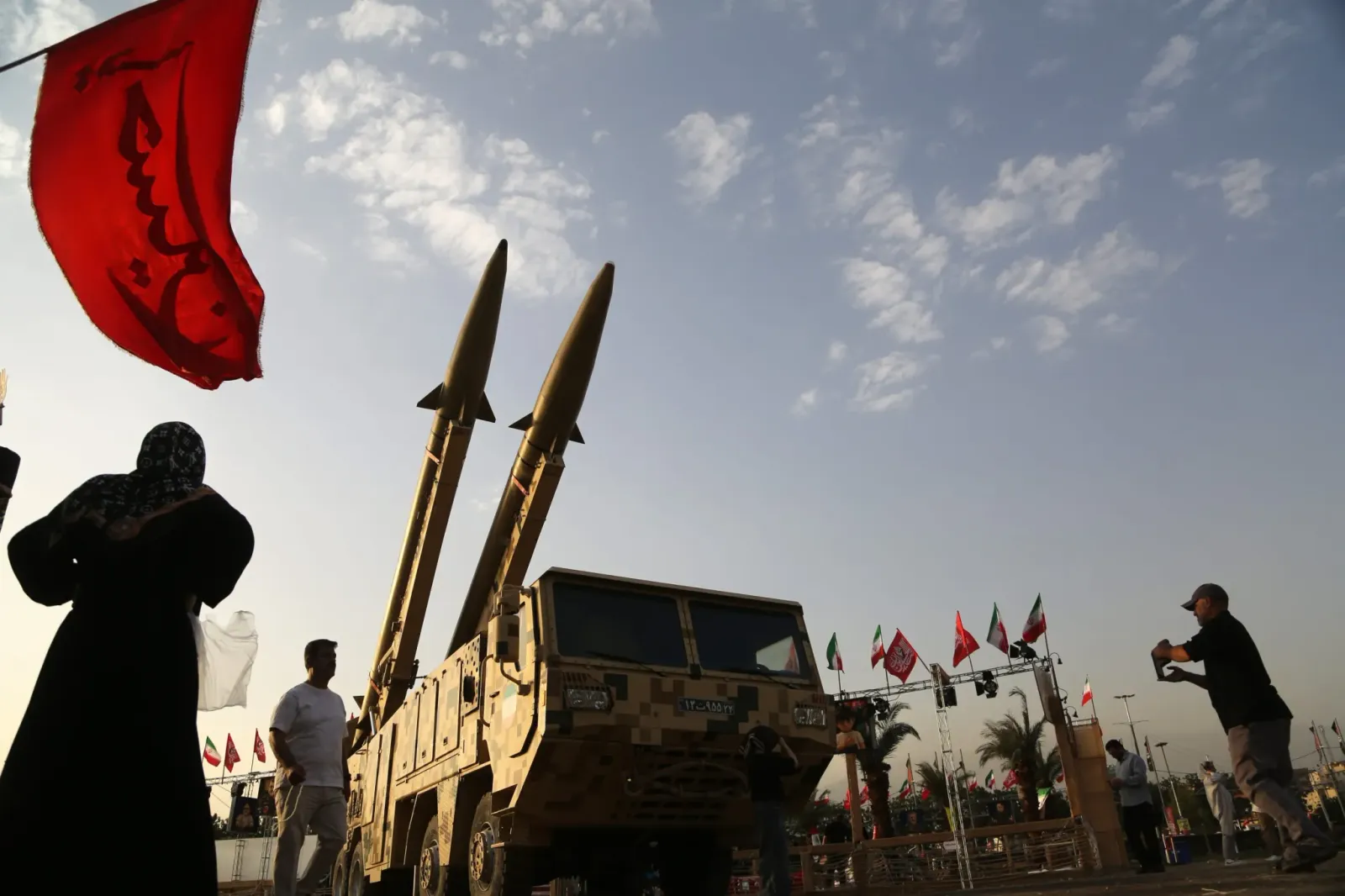
Fortune reports that as President Donald Trump again threatened major escalation and then pulled back, experts say Iran is gaining a strategic edge in deterrence. That tilt changes the risk calculus for Washington, U.S. allies, and energy and defense decision-makers in the region.
Last night’s sequence is the story: President Donald Trump threatened a massive attack and then pulled back again, but experts say the reversal is not stopping Iran from pushing forward. The key line, reported through expert commentary, is that Iran and its “clients see blood in the water” and benefit from escalating and entering the fray. Afshon Ostovar, an Iran expert at the Naval Postgraduate School, told the Financial Times that the strategic math Iran believes it is pursuing is prolonging the conflict rather than simply trying to inflict the worst damage possible.
The reason that matters is brutally concrete. Ostovar’s point is that as conflict continues, U.S. and allied resolve can weaken. “So the longer it continues, the weaker the resolve of their enemies will be,” he explained, framing how Iran views deterrence, time, and political endurance as weapons in their own right. That is the backdrop for Trump’s latest hesitation, which the source says he attributed to U.S. allies urging him to give diplomacy another chance.
Where escalation shows up, the source says, is not only on battlefields but through proxies. Iran has used its regional network to expand the war across the region, including Houthis rebels threatening ships trying to bypass the Strait of Hormuz through the Bab el-Mandeb Strait. That kind of pressure matters because it attacks the system that global trade relies on: maritime chokepoints. If you can raise uncertainty, disrupt routing, and force higher insurance and transit costs, you can make the conflict feel bigger than any single strike.
In parallel, Iran has issued warnings to Persian Gulf neighbors that they will be targets in the event of renewed bombardment. The source also says Iran demonstrated that its long-range weapons can evade U.S. air defenses. In other words, deterrence is not just rhetoric. It is performance: Iran wants Washington to believe that certain kinds of attacks will not produce the clean, decisive outcome the U.S. would need to justify broader escalation.
The political layer is where this becomes a leverage story, not just a military one. The source says Trump’s approval ratings on his handling of the economy have slumped alongside his numbers on the Iran war, and that support has slipped even among Republicans. With midterm elections “just a few months away,” gas prices back up again, and public attention on costs, Tehran is portrayed as seeing leverage in the U.S. political calendar. An Iranian diplomat told the Wall Street Journal that the regime is prepared to take advantage of Trump political vulnerability and would consider preemptive strikes if talks fail.
That willingness to act is not hypothetical in the source. Last week, Iran launched unprovoked attacks on U.S. bases, which Central Command called an “attempted surprise attack.” And that is happening even though the source says Trump had a “red line” tied to resuming all-out war after it killed U.S. troops in Jordan last month. The pattern is clear in the reporting: Iran continues, and the U.S. keeps hesitating.
To be fair, the source also notes that the U.S. still has significant military assets in the region and continues to enforce a naval blockade on Iran that is causing more economic pain. But it adds an important constraint: the U.S. and allies have severely depleted stockpiles of interceptors needed to repel Iranian attacks, creating risk for critical pieces of energy infrastructure. On top of that, the global energy picture has tightened, with the source saying inventories of crude oil and refined products have sharply drawn down. Analysts cited in the source warn that “tank bottoms” will be just around the corner unless the Strait of Hormuz reopens soon. Translation for decision-makers: the margin for disruption is getting thinner, and energy volatility can force fast political and operational choices.
Dennis Citrinowicz, a former Israeli intelligence official who specialized in Iran, posted on X that last night’s events underscore a reality that is “becoming increasingly difficult to ignore.” For now, he said, Iran appears to hold the strategic advantage in deterrence, having created a form of mutual deterrence that is shaping Washington’s calculations. He also argues Iran can hold the global economy hostage by threatening maritime chokepoints and its Gulf neighbors, even after heavy losses at the start of the war. Then comes the alliance signal: the source says Saudi Crown Prince Mohammed bin Salman spoke directly with Trump on Saturday to express concern over plans for massive new U.S. strikes on Iran, with sources telling Axios that the de facto ruler urged Trump to de-escalate and refrain from launching the attacks.
For executives and boards across defense-adjacent, energy, shipping, and risk-management businesses, the second-order implication is simple: this is not a conflict that stays in one lane. Proxy attacks, interceptor stockpiles, and chokepoints all feed into energy pricing, insurance and logistics costs, and infrastructure risk. If Washington hesitates as Iran tests deterrence and time, the operational planning horizon shortens for everyone dependent on stable energy flows. The “blood in the water” framing is essentially a bet that political endurance and escalation risk will do the work of the next battlefield move.
This story's Key Insights and Take-aways are locked.
Create a free account to unlock Executive Actions for one credit.
Register to UnlockAlways free for Executives Club members. Join the Club
More in Politics
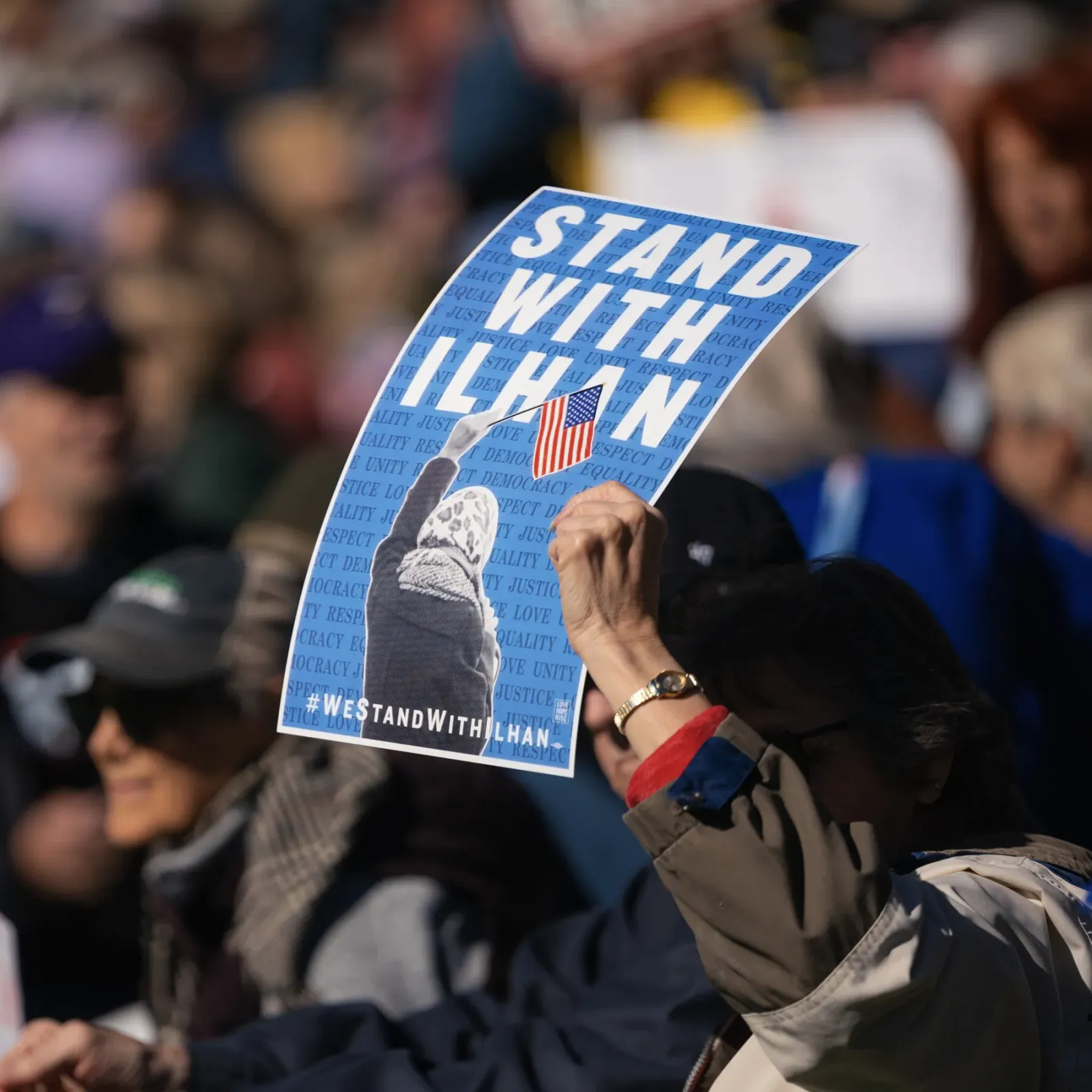
Obama Defends Ilhan Omar After Agents Search Her Home in Trump Inquiry
The former president's intervention raises the stakes in a federal probe into immigration paperwork that has put a prominent progressive lawmaker in the crosshairs.

Blair-era minister: cut welfare to fund youth job support
Alan Milburn's call for welfare cuts to fund employment support opens a Labour fight over benefits and the Neet crisis.
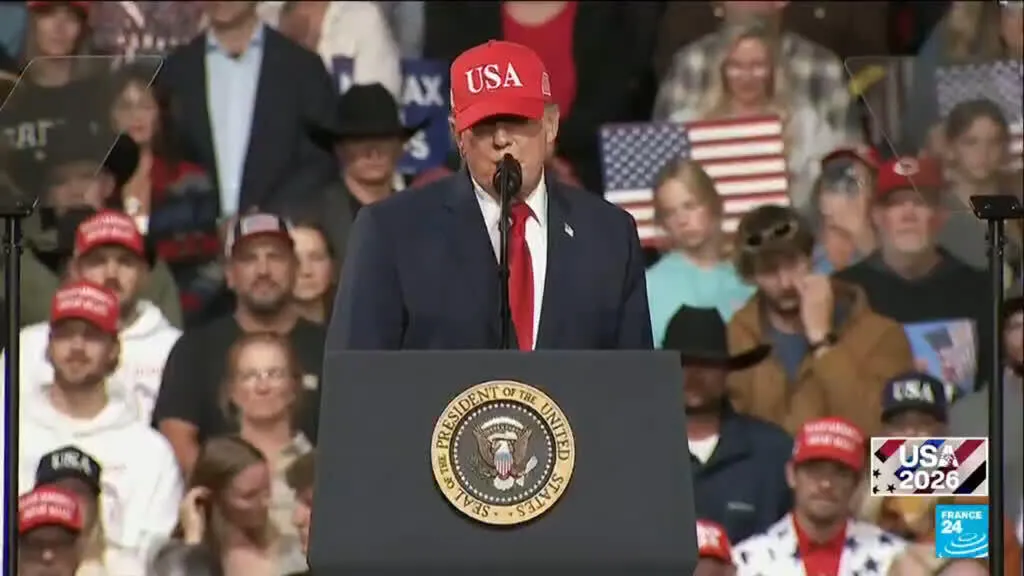
Hot September CPI: energy costs surge, voters feel the squeeze before midterms
The latest inflation print lands as Trump campaigns for GOP control of Congress, putting cost-of-living worries at the center of the midterm fight.