

Israel sets 27 October election date, dissolves Knesset as Netanyahu faces Gaza and Iran vote
The Knesset is dissolved ahead of the first national election since 7 October 2023, forcing Netanyahu and allies to rush laws.
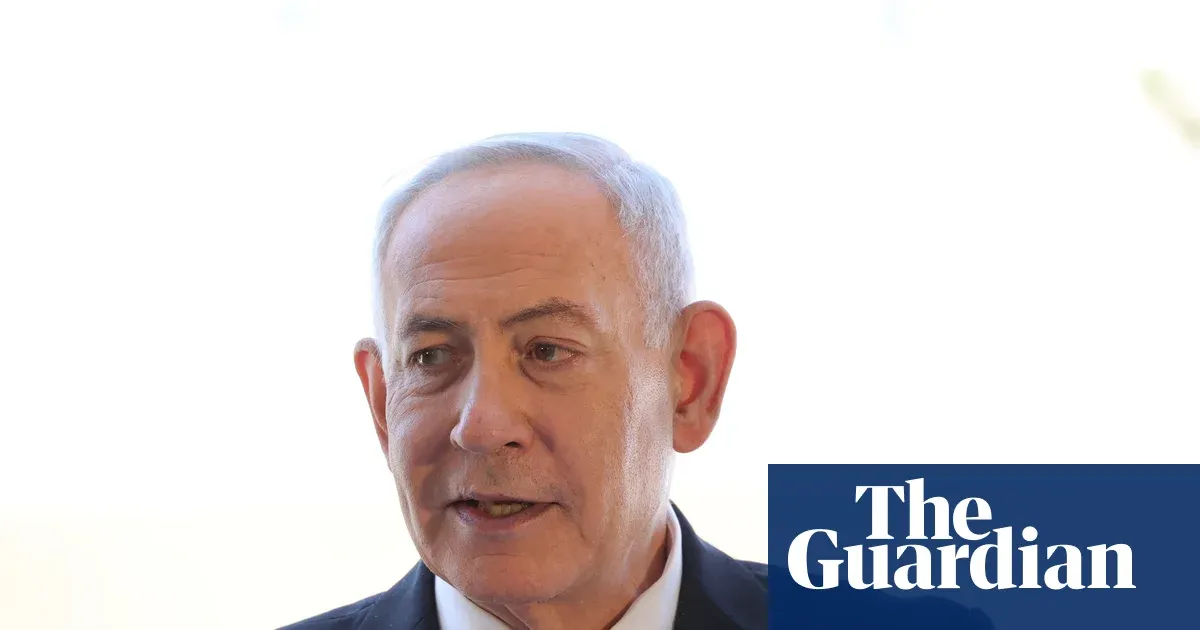
Israel will hold national elections on 27 October, giving Israelis their first chance to judge Benjamin Netanyahu and his coalition since the Hamas-led attacks of 7 October 2023. For decision-makers, the vote timing turns the final Knesset days into a high-stakes legislative sprint with immediate governance consequences.
Israel has set 27 October as the date for its first national elections since the Hamas-led attacks of 7 October 2023, and the timing is doing something quietly explosive: it forces Benjamin Netanyahu and his coalition to operate in election-mode now, not later. The Knesset, Israel’s parliament, will be dissolved on Friday, which means the current government has a tight runway to move controversial legislation before polling day.
That matters because the election is framed as a referendum on Netanyahu and his handling of conflicts in Gaza and the Iran Middle East crisis. In other words, this is not a routine political reset. It is a fresh judgment from voters after the past year and a half have put Israel’s security, diplomacy, and domestic stability under nonstop pressure. When citizens get a chance to pass judgment on the prime minister and coalition, every coalition partner, regulator, and institutional player has to assume policy priorities will be pulled forward, hardened, or re-optimized for the ballot box.
The Guardian reports that with only a few days left in session, Israel’s most far-right government in its history is rushing to pass several controversial laws in an attempt to bolster its position before polling day. That “rushing” is not just political theater. In systems where lawmaking changes the rules of the game, the legislative calendar becomes leverage. Push the measures through before dissolution, and they can survive the electoral churn long enough to reshape the next government’s policy constraints.
From a governance perspective, a Knesset dissolution is a reset button, and the run-up period often becomes a pressure cooker. Parties tend to prioritize votes they can realistically win quickly. Opponents tend to look for procedural blockers, last-minute coalition math, or delays that keep contentious items from landing before the parliament ends its term. For board-level and executive-level decision-makers, that’s the part that bleeds into real-world risk: abrupt legal shifts can change how companies interpret compliance obligations, regulate sensitive sectors, or anticipate how quickly administrative agencies implement new authority.
There is also the incentive mismatch that typically appears when elections approach. Incumbent leadership wants durable outputs before the electorate gets a say. Coalition partners want to ensure the governing agenda does not evaporate the moment voters deliver a verdict. If a coalition expects public scrutiny tied to the Gaza and Iran Middle East crisis, then lawmakers may believe they have to translate security narratives into domestic legal structures that signal resolve. The source does not name specific bills, but it does specify the pattern: controversial laws are being pushed through, and the timing is intentional.
This is particularly consequential in an environment where security conditions and regional dynamics already amplify second-order effects. Elections can affect foreign policy posture, which can affect sanctions risk, cross-border investment flows, and the operating assumptions of firms tied to defense supply chains, energy logistics, or regional trade corridors. Even without new numbers or new statutes in the source, the mechanism is straightforward: when the political leadership changes course or signals a different direction, markets and counterparties update expectations. Executives who plan on multi-quarter horizons typically hate that kind of timing risk because it forces scenario planning, legal review overhead, and contingency budgeting.
Netanyahu’s coalition also faces a credibility question that is unusually direct in the way the election is described. The ballot is positioned as a way for Israelis to pass judgment on his handling of conflicts in Gaza and the Iran Middle East crisis. That means the political spotlight is not only on who wins, but on how voters interpret outcomes, costs, and tradeoffs. In practical terms, that can push policy debates toward more immediate, more symbolic, or more legally entrenched moves, since incumbents may believe voters respond to visible action during crisis periods.
For executives and investors watching Israel from the outside, the strategic stake is less about party branding and more about predictability. When the Knesset is dissolved on Friday, the window for contentious legislation closes, and the probability of abrupt legal and regulatory decisions during that window increases. After that, negotiations, coalition formation, and implementation timelines get reset, and institutions have to adjust again. In a world where regulation, compliance, and governance structures are inseparable from political stability, a fixed election date on 27 October is not a background detail. It is a timeline that can drive real policy momentum in the days before it arrives.
This story's Key Insights and Take-aways are locked.
Create a free account to unlock Executive Actions for one credit.
Register to UnlockAlways free for Executives Club members. Join the Club
More in Politics

Glacial collapse, not rain, killed 180 in Nepal's Himalayan flood
The Himalaya's extreme geography hid the true cause of Nepal's catastrophic flood, a glacial collapse that turned a geological battleground into a mass-casualty zone.

Iran’s Esmail Baghaei says Oman talks start shipping via Hormuz, not US talks yet
Temporary route plans with Oman aim to restart commerce while Tehran says Washington dialogue is not on the table.

Standards watchdog opens probe into Reform UK deputy leader Richard Tice over interests
The parliamentary standards commissioner says it began an investigation on 28 July into a possible undeclared interest.