

Israel sets Oct. 27 election, turning Netanyahu's post-Gaza test into a vote
Parliament chose the latest legal date, and Netanyahu plans to seek re-election after the Gaza war reshaped his leadership.
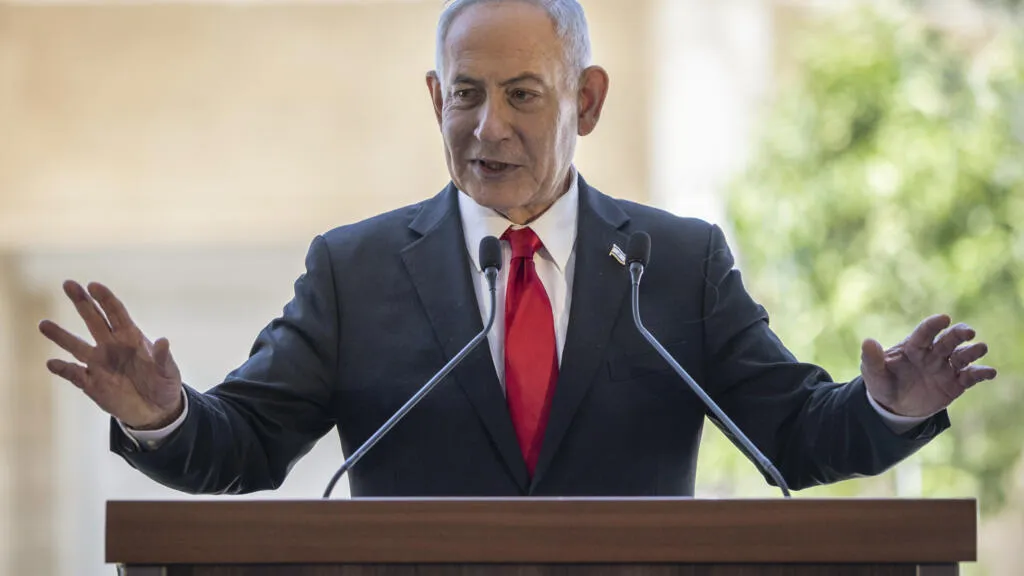
Israel’s parliament set a national election date for Oct. 27, the latest permitted by law. The vote is widely seen as a referendum on Prime Minister Benjamin Netanyahu’s leadership since the Gaza war began.
Israel’s parliament has set national elections for Oct. 27, the latest date permitted by law. Prime Minister Benjamin Netanyahu, 76, has said he intends to seek re-election and “win” another term. In other words, Israel is not just scheduling an election. It is compressing a post-Gaza leadership reckoning into a single political deadline.
Why Oct. 27 matters is the subtext parliament effectively baked into the calendar: this is widely seen as a referendum on Netanyahu’s leadership since the Gaza war began. When a government chooses the latest legal date rather than moving faster, it signals a few things to the political system and to anyone outside it watching risk. It suggests leaders believe they can manage uncertainty long enough to preserve a workable transition plan. It also gives rivals less runway to build momentum around a narrative of change.
Netanyahu’s position is now framed around one simple question: did his wartime leadership strengthen his case for another term, or did it turn the country toward a different direction? The source does not provide polling numbers or party breakdowns. But the structure of the moment is clear. The election is scheduled on a fixed day that sets the agenda for parties, coalition math, and public debate. And because the vote is described as a referendum on leadership since the war began, campaign strategy will likely revolve less around long-term domestic ideology and more around the war’s meaning for Israel’s future.
For decision-makers across the Israeli ecosystem, election timelines are not trivia. They affect planning horizons, regulatory posture, and how risk is priced. Even without new policy details in the report, an election date changes what executives expect from government action. Budgets, procurement, appointments, and enforcement priorities often become more cautious as parties move into election mode. Not because anyone is “doing nothing,” but because each move can become campaign fuel. When the electorate is treated as a judge of wartime leadership, political incentives tend to favor clarity over experimentation.
There is also an external dimension. The Gaza war has already made Israel a global macro and geopolitics story. Elections in countries at the center of regional tensions can shift how multinational firms think about continuity of policy, security coordination, and the stability of the regulatory environment. Investors and executives typically do not just ask, “Who wins?” They ask, “How quickly does governance become predictable, and what constraints does coalition building create?” An election set for Oct. 27 compresses that uncertainty into a known window, which can help some actors plan and pressure others to act sooner.
Inside Israeli politics, the report highlights Netanyahu’s age, 76, and his stated intention to seek re-election. Whether supporters view that as experience or whether critics see it as entrenched leadership, the underlying point is that the election is being positioned as a direct contest over the Prime Minister’s legitimacy after a defining period. Netanyahu saying he intends to “win” another term is not just campaign language. It is an attempt to set expectations early, before opponents can define the narrative as a loss cycle that he must survive.
And the phrase “latest date permitted by law” is more than legal housekeeping. It frames the election as a deadline the system has to respect. That can limit certain tactical maneuvers and force parties to make choices under the same schedule. From a boardroom perspective, predictable timing can reduce some forms of uncertainty even while political conflict persists. It may also raise the stakes for companies whose fortunes tie to government spending, security procurement, and public-sector execution.
Second-order, this election can reshape how regional and global partners read Israel’s trajectory. Even if day-to-day policy details remain consistent, the perception of leadership direction can influence diplomatic tempo and crisis management. Executives in adjacent sectors, from logistics to defense-adjacent manufacturing to travel and insurance, will care about whether the post-Gaza strategy is framed as continuity or change. And for anyone who has to plan beyond a quarter, the bigger takeaway is that a war-driven leadership test turning into a dated election can reset the political baseline faster than most other events.
At the center of all of it is the same fundamental stake: Netanyahu’s post-Gaza test is no longer abstract. Parliament has fixed the calendar for Oct. 27, and Netanyahu has declared he will seek re-election and “win” another term. For peer executives, the message is simple and urgent. When an election is designed or perceived as a referendum on wartime leadership, your operating environment can shift quickly, and your planning horizon has to respect that clock.
This story's Key Insights and Take-aways are locked.
Create a free account to unlock Executive Actions for one credit.
Register to UnlockAlways free for Executives Club members. Join the Club
More in Politics

Glacial collapse, not rain, killed 180 in Nepal's Himalayan flood
The Himalaya's extreme geography hid the true cause of Nepal's catastrophic flood, a glacial collapse that turned a geological battleground into a mass-casualty zone.

Iran’s Esmail Baghaei says Oman talks start shipping via Hormuz, not US talks yet
Temporary route plans with Oman aim to restart commerce while Tehran says Washington dialogue is not on the table.

Standards watchdog opens probe into Reform UK deputy leader Richard Tice over interests
The parliamentary standards commissioner says it began an investigation on 28 July into a possible undeclared interest.