
Israel warned the U.S. of an Iran plot to kill Trump, WSJ reports
The alleged new assassination threat changes the risk picture for U.S. politics and foreign policy, fast.
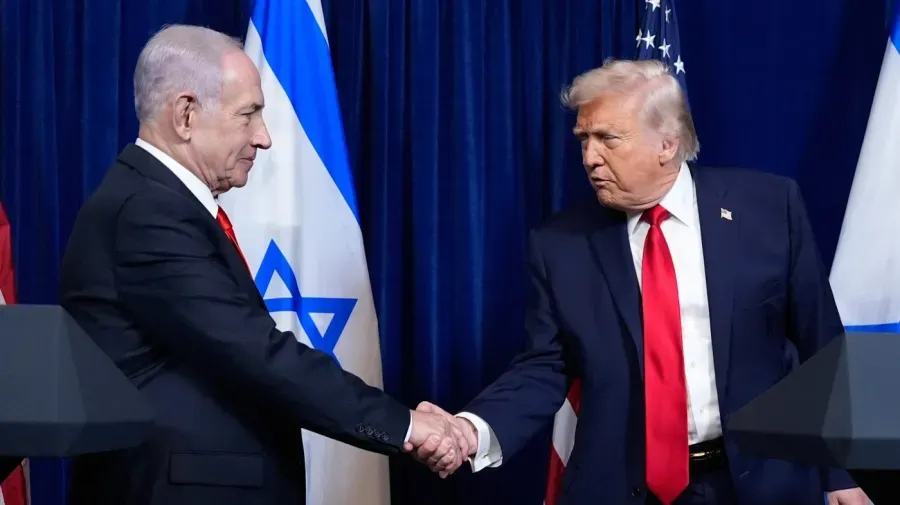
Israel shared intelligence with the U.S. that, according to a Wall Street Journal report, Iran plotted to assassinate President Trump. Decision-makers now have to treat the threat as fresh and actionable, not a historical footnote.
Israel recently shared intelligence with the U.S. that, according to a Wall Street Journal report published Thursday, Iran plotted to assassinate President Trump. The report, which cited people familiar with the matter, said Israeli officials warned the U.S. of what they viewed as a fresh threat against the president.
That detail matters because “recently shared” and “fresh threat” are not the same as “we think something happened months ago.” When intelligence updates arrive like this, they typically trigger immediate interagency attention, heightened protective posture, and faster decision cycles for agencies responsible for security and continuity of government. In plain English: the people tasked with keeping key individuals safe and maintaining state functions do not wait for the diplomatic process to play out. They act on the timeline implied by the intelligence.
For executives, investors, and anyone tracking geopolitical risk, these moments are less about headlines and more about second-order effects. An alleged plot tied to a sitting president can quickly spill into how governments allocate resources, what regulations are emphasized, and how companies assess operational continuity. Even if the direct action is carried out by security services, the broader business environment often shifts in tandem: travel plans, venue security, event staffing, and logistics decisions can get tightened. In markets, the biggest moves sometimes come not from the plot itself, but from what it does to perceived stability.
There is also the diplomatic geometry. The U.S. is not simply receiving information; it is receiving information filtered through an allied intelligence partner. That means U.S. decision-makers must weigh credibility, urgency, and what the intelligence implies about Iran’s capabilities and intent. If Israel believes this is new enough to warrant warning, it suggests ongoing surveillance and a belief that the threat is not just rhetoric. For the U.S., that can accelerate internal assessments and, potentially, changes in how foreign policy tools are prepared.
Another angle executives should keep an eye on is signaling. Intelligence-sharing can act like a strategic message: it tells a target that the warning system is active, that partners are coordinating, and that risk is being monitored in real time. Even if no public statement follows immediately, internal and allied communications can still drive policy posture. And policy posture can drive financial posture. Think: changes to sanctions enforcement intensity, export controls scrutiny, or regulatory attention on companies tied to relevant supply chains. The source here is the Wall Street Journal report relayed by The Hill, which does not add those operational specifics, but the broader pattern is familiar in how governments respond to credible, time-sensitive threats.
For boards and C-suites, the practical question becomes: how should we treat geopolitical risk in planning? Allegations like this can lead to short-term operational changes, but they can also change investor sentiment about escalation risk. Markets generally dislike uncertainty, especially when it involves leadership risk or potential retaliation. If the threat is “fresh,” then assumptions built on older baselines might need updating. That does not mean businesses should guess outcomes. It means risk teams and compliance leaders should ensure their frameworks can handle rapid changes in threat level and regulatory focus.
Finally, there is the meta-stake: this is about the interface between intelligence and governance. When an intelligence partner warns another government of an assassination plot, it is not a normal geopolitical update. It is an input to crisis mode. That can affect everything from how events are secured to how quickly public officials coordinate messaging and continuity planning. For peers in high-stakes sectors, that is a reminder that security, policy, and operations are not separate lanes. They braid together under time pressure.
The source says Israel shared intelligence with the U.S. that reportedly involved Iran plotting to assassinate President Trump, and it emphasizes the fresh threat characterization. For decision-makers, the implication is straightforward: if the threat is treated as credible and current, the response timeline compresses. And in a world where minutes can matter, being prepared to adapt quickly becomes a competitive advantage, not a buzzword.
This story's Key Insights and Take-aways are locked.
Create a free account to unlock Executive Actions for one credit.
Register to UnlockAlways free for Executives Club members. Join the Club
More in Politics
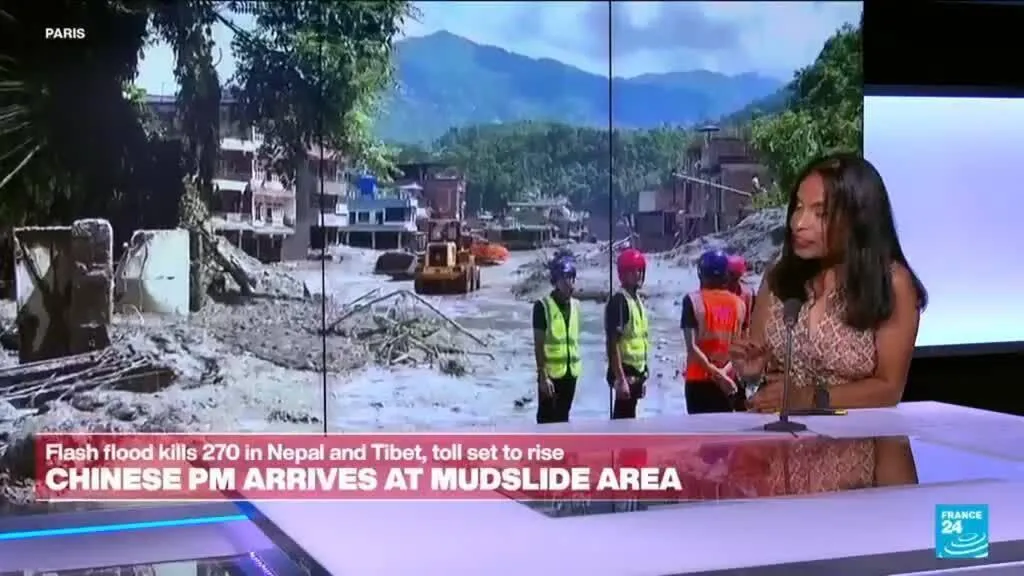
Glacial collapse, not rain, killed 180 in Nepal's Himalayan flood
The Himalaya's extreme geography hid the true cause of Nepal's catastrophic flood, a glacial collapse that turned a geological battleground into a mass-casualty zone.
Iran’s Esmail Baghaei says Oman talks start shipping via Hormuz, not US talks yet
Temporary route plans with Oman aim to restart commerce while Tehran says Washington dialogue is not on the table.

Standards watchdog opens probe into Reform UK deputy leader Richard Tice over interests
The parliamentary standards commissioner says it began an investigation on 28 July into a possible undeclared interest.