

Jamie Dimon says businesses are already cutting AI token and data center spend
JPMorgan’s CEO argues companies are negotiating and routing queries to the cheapest viable compute, not defaulting to the biggest models.
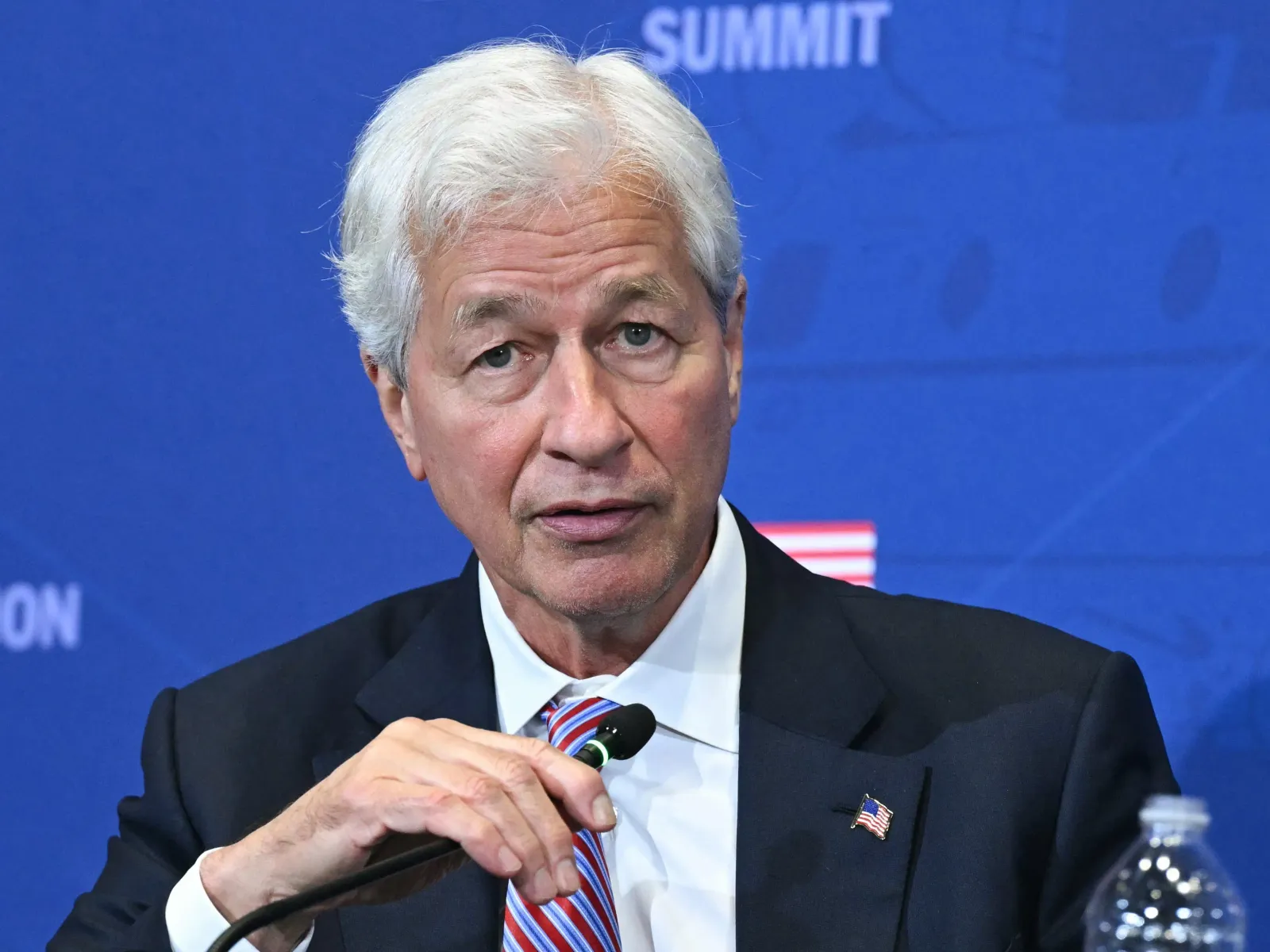
Jamie Dimon, JPMorgan CEO, said on CNBC that companies are being rational about AI spending, mindful of token costs and data center ROI. His remarks suggest enterprise AI is shifting from “tokenmaxxing” to cost-aware deployment, with data and IP protection staying non-negotiable.
Jamie Dimon, JPMorgan CEO, says businesses are already behaving differently about AI spend. On CNBC Wednesday, he pointed to how companies are getting more careful about token costs and the return on investment that comes from them.
Dimon’s argument is blunt: “They all see the costs going up rapidly,” he said, then added that companies will respond “of course” by being rational, like they would with any other resource. In his view, AI budgeting is no longer a blank check for the most expensive option, and that shows up in two places: how firms route queries to models and how they think about data center usage.
The practical detail Dimon shared was telling. He said JPMorgan considers the value AI adds and negotiates with vendors “all the time.” That matters because AI costs are not just the model’s price tag. They include the tokens you burn to get results, the infrastructure you run to serve requests, and the vendor relationships that shape both. Dimon also said he has already seen companies send queries to the “cheapest token, the cheapest thing,” and he expects the same cost-first behavior to extend as power and data center expenses rise.
If you are an operator or a board member trying to get control of AI spend, the subtext is clear: the market is starting to treat tokens, inference, and compute like procurement line items. That is a different mindset than “try everything with the frontier model and see what happens.” It also helps explain why AI budgets have become a strategic governance issue, not just an engineering one.
This conversation has been heating up because business leaders have been openly criticizing wasteful AI consumption. Palantir CEO Alex Karp has criticized “tokenmaxxing,” arguing that AI models have been “oversold” and that many US businesses are silently paying for tokens that do not add value. In a CNBC interview earlier this month, Karp said he sees enterprises treating the situation like a workflow built to “chillax and waste my time with tokens,” while fearing the risk of exposing their IP. He also compared the urge to use so much AI to watching pornography in an interview last month, using an analogy that he called the “demastibatory” internal joke, describing it as an addiction-like behavior.
The dispute is not abstract. Tokens translate directly into recurring operational costs, and data access risks translate into compliance, confidentiality, and competitive concerns. Dimon leaned into that second part when he addressed a concern executives increasingly bring up: whether using external AI systems compromises proprietary information. He said JPMorgan is “very protective of our data and our IP.” He added, “You should assume that JPMorgan will do everything they can to protect its own data, its own IP, to protect our customers.” That posture matters because it ties AI procurement to trust. If executives believe a model or vendor path is incompatible with data protection, “cheapest token” will not win by default.
The broader industry push for disciplined “modelmaxxing,” and for avoiding default “tokenmaxxing,” is showing up in other leadership commentary too. Andrew Feldman, CEO of Cerebras Systems, has used an analogy to call out unnecessary token spend. At a Bloomberg event last month, Feldman said the idea of giving employees unlimited tokens was “boneheaded from the get-go.” He argued that you do not need a Ferrari to go to the grocery store, then suggested teams should “shop at Costco,” meaning use lower-cost open source models where appropriate. Dimon’s remarks align with the direction of that logic, even if he framed it through enterprise negotiation and ROI.
For decision-makers, the second-order implication is that AI cost controls are becoming a competitive capability. If your organization is still evaluating AI primarily as a science project, your finance team and your risk team are likely to catch up fast. Dimon’s comments suggest that routing decisions, vendor leverage, and infrastructure planning will all influence which AI systems survive procurement scrutiny. Meanwhile, the “data and IP protected” stance he described signals that cost rationalization will not be enough on its own. Enterprises will increasingly need architectures and policies that balance efficiency with confidentiality, or they will simply keep paying twice: once in tokens and again in risk remediation. In other words, “AI governance” is starting to look less like paperwork and more like actual compute strategy.
This story's Key Insights and Take-aways are locked.
Create a free account to unlock Executive Actions for one credit.
Register to UnlockAlways free for Executives Club members. Join the Club
More in Business

Epic and Google drop settlement bid, forcing rival Android app stores by July 22
Google told the court it is ready to carry third-party app stores starting Wednesday, July 22.
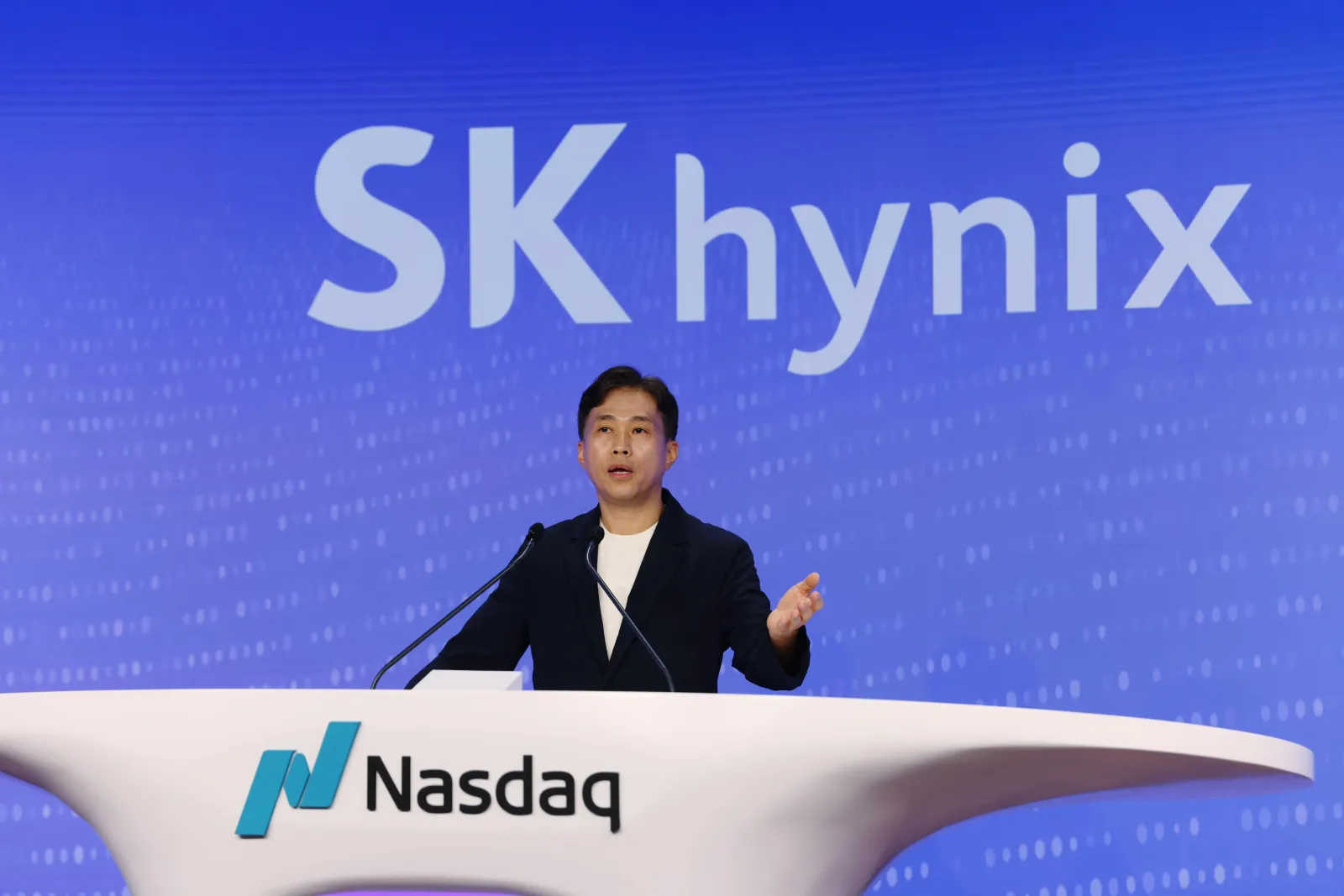
SK Hynix opens at $170, raises $26.5B, and tops foreign IPO records
In Friday's Wall Street debut, SK Hynix turns AI RAM demand into a $26.5B fundraising moment that rewrites comps.

China lands a reusable Long March booster, a first that matches SpaceX and Blue Origin
A barge landing and net-based recovery move China from theory to proof, reshaping the reusability race and satellite ambitions.