

Japan pushes GPIF into alternatives deeper as officials press for more than bonds
The government signals pension giant GPIF should expand alternatives, reshaping how boards think about risk and returns.
Japan is urging the Government Pension Investment Fund, known as GPIF, to go deeper into alternative investments. For decision-makers, it means more pressure on asset allocation frameworks, governance, and manager selection as the “next tranche” of capital shifts.
Japan wants GPIF, the world’s biggest pension fund, to dive deeper into alternative investments. That push from Japanese officials matters because GPIF is not a side project. It is a benchmark-setting capital engine. When the government leans on it, asset allocation conversations in Tokyo and beyond shift from “maybe someday” to “how fast, and what tradeoffs are we making.”
The core idea is straightforward but high-stakes: alternatives are typically less tied to traditional bond and equity benchmarks, so they can potentially improve diversification and long-term risk-adjusted returns. But “potentially” is doing a lot of work. Alternatives also come with complexity: different liquidity profiles, valuation methods, manager risk, and regulatory and disclosure considerations. So the question for GPIF, and for any pension or institutional investor watching closely, is not whether alternatives sound attractive in principle. It is whether the governance and execution machinery is ready to allocate more meaningfully.
To understand why this matters now, you have to look at how GPIF is positioned and why it is under a spotlight. GPIF has historically been heavily anchored in large public-market assets like government bonds and global equities. That makes sense for pensions, especially when liabilities are long-dated and the temptation is to lean on transparent, liquid instruments. But macro reality has been unforgiving. When yields are lower, duration and interest rate risk become stickier problems. When equity markets are volatile, the “easy” diversification story stops feeling easy. In that environment, officials pressing for deeper alternatives can be read as an attempt to broaden the toolset.
Now zoom in on the incentives and governance angles, because this is where institutional investors either get sharper or get stuck. GPIF is a big, public-facing player. It has to justify its decisions to stakeholders, including the government that sets expectations and the broader public that ultimately benefits from the pension system. Expanding alternatives is not just an investment decision. It is also a communications and accountability decision. Alternatives can be harder to benchmark, and performance can be lumpy because cash flows and valuations often behave differently than in public markets. If regulators and politicians want “more,” GPIF will need to show it can measure and monitor that “more” in a way that holds up.
There is also a portfolio mechanics question that boards cannot ignore: “deeper” usually implies either larger target allocations, more specialized mandates, or both. Each path creates second-order effects. Larger allocations can intensify concentration risk if the same set of managers dominates dealflow. More specialized mandates can introduce new operational risks, from legal structure complexities to custody and reporting requirements. Even if the government’s intention is long-term return enhancement, the near-term challenge is operational: can GPIF run the governance, due diligence, and risk oversight with the same discipline it applies to public markets?
For the alternatives industry, Japan’s push is a signal that capital is looking beyond the usual headlines. Alternatives span categories like private equity, private credit, real assets, infrastructure, and hedge-fund-like strategies. The practical effect is that fundraising, product design, and manager staffing priorities may tilt toward Japanese institutional requirements. For general partners and service providers, GPIF-like demand can be a meaningful tailwind. For asset allocators, it can also raise the bar for transparency and reporting because “bigger allocations” generally lead to “bigger expectations.”
And for peers across Asia and globally, the story is a reminder that pension investing is no longer just finance. It is politics, regulation, and credibility. When a government calls out a pension whale and asks for deeper alternatives, other large investors notice. They may reassess their own constraints around liquidity, valuation, and governance, or they may benchmark their process against the scrutiny GPIF is likely to face. In short: this is a capital-allocation story, but it is also a governance stress test.
The strategic stakes are clear. If GPIF expands alternatives successfully, it can reinforce the idea that institutional investors can use the private and semi-private toolset to strengthen long-term portfolios. If it does not, the disappointment is bigger because GPIF is a benchmark, not a hobby fund. Either way, officials pressing GPIF deeper into alternatives is a move that will shape how decision-makers think about the next cycle of diversification, manager oversight, and institutional risk management.
This story's Key Insights and Take-aways are locked.
Create a free account to unlock Executive Actions for one credit.
Register to UnlockAlways free for Executives Club members. Join the Club
More in Business
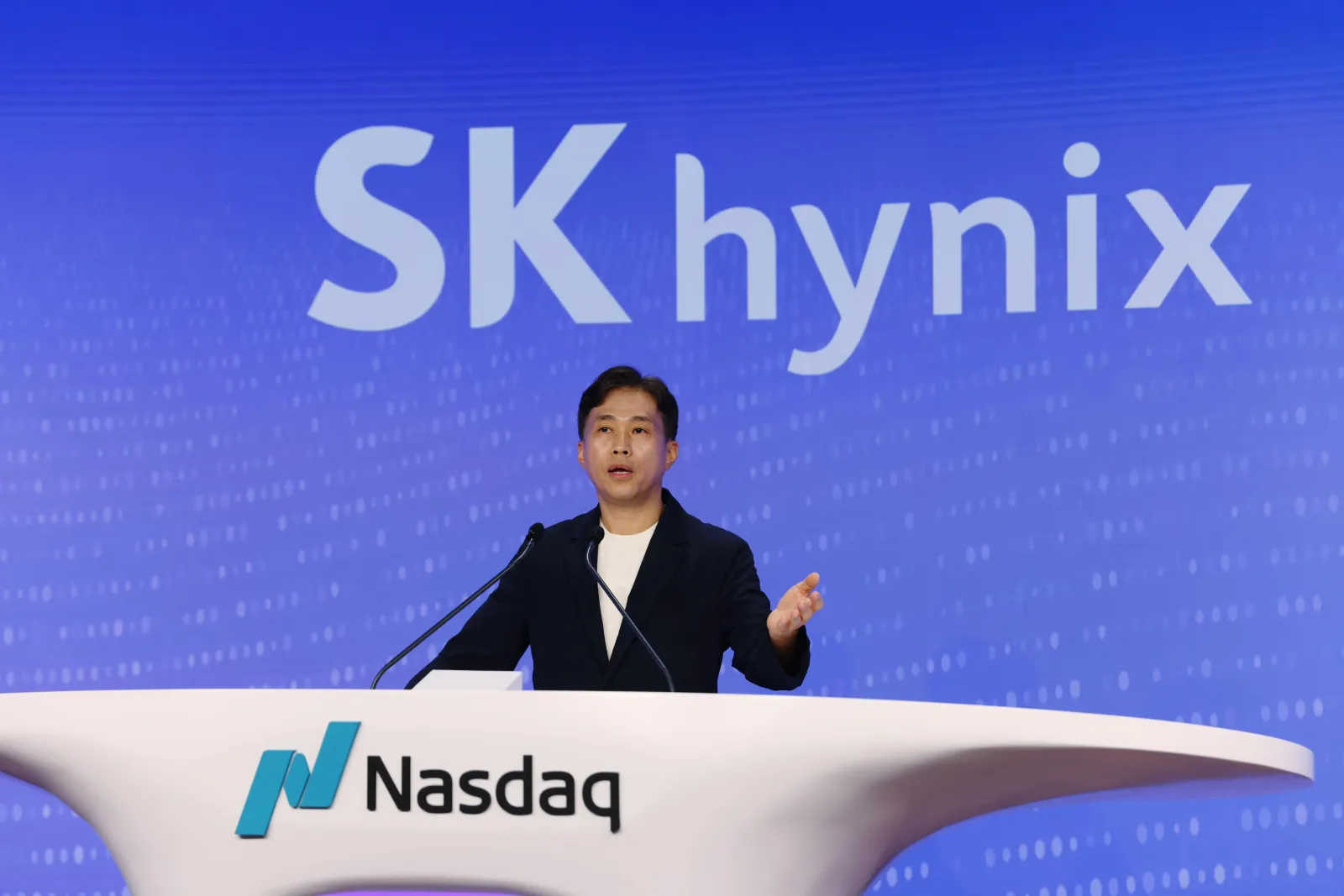
SK Hynix opens at $170, raises $26.5B, and tops foreign IPO records
In Friday's Wall Street debut, SK Hynix turns AI RAM demand into a $26.5B fundraising moment that rewrites comps.

China lands a reusable Long March booster, a first that matches SpaceX and Blue Origin
A barge landing and net-based recovery move China from theory to proof, reshaping the reusability race and satellite ambitions.

AstraZeneca $27B wipeout as Wainua late trial misses cardiovascular target
A failed late-stage heart study triggered a swift market punishment, forcing investors and boards to reset timelines and risk.