

Japan's aging owners are selling businesses for 0 yen to young entrepreneurs
A succession crisis is forcing retiring owners to hand over cafés, farms, and guesthouses to a new generation, often for nothing.
Kengo Ohama, 31, took over a Hiroshima café for zero yen as Japan's aging business owners struggle to find successors. The trend is reshaping small-business ownership, with platforms like Relay and BATONZ matching retiring owners with younger operators.
Kengo Ohama, 31, took over Country Road, a café and roastery in Hiroshima, Japan, for zero yen. The previous owners, an older couple looking to retire, transferred the brand, furniture, kitchen equipment, recipes, and supplier information at no cost, asking only that he keep the business operating. He pays 50,000 yen in monthly rent for the building, but the business itself was free.
Ohama now works six days a week, waking before sunrise, taking an hourlong motorbike ride to Mihara, and spending his days cleaning, making pastries, roasting coffee, and serving guests until 11 p.m. He is part of a younger generation stepping into Japan's small-business succession crisis. The Japan Finance Corporation found that 57.4% of small and midsize businesses it surveyed in 2023 expected to close when their current owners stepped away, up from 52.6% in 2019. With no heirs willing to take over, owners are listing companies on succession platforms like Relay and BATONZ, often at low prices.
Relay has listed about 900 businesses to date, including roughly 350 active listings. BATONZ, which also handles conventional acquisitions, has listed more than 42,000 businesses and matched 3,421 buyer-seller pairs as of March 2026. Owners are often in their 60s and 70s; successors in their 30s and 40s. The platforms are becoming a lifeline for owners facing unexpected crises. Akitaka Mitsui, 67, opened Mori to Mizu Backpackers in Nagano in 2011. After a stroke, he decided to find a successor outside his family. He turned to BATONZ, saying he never intended to make his children take over. Kota Fujisawa, 29, a Nagano native who worked in consulting in Tokyo, took over the guesthouse in May 2024 with two childhood friends (one has since left). They renamed it Local Knot Backpackers and paid less than 10 million yen for the business, which included its website, booking systems, and staff. The building was not part of the transfer.
Fujisawa says the shift from desk work to on-site management gives him more direct contact with tourists. But taking over an established business means deciding what to preserve and what to rework. 'If we changed everything, it would become a completely different place,' he said. For him, running the guesthouse means honoring what longtime guests loved while making changes to carry it forward.
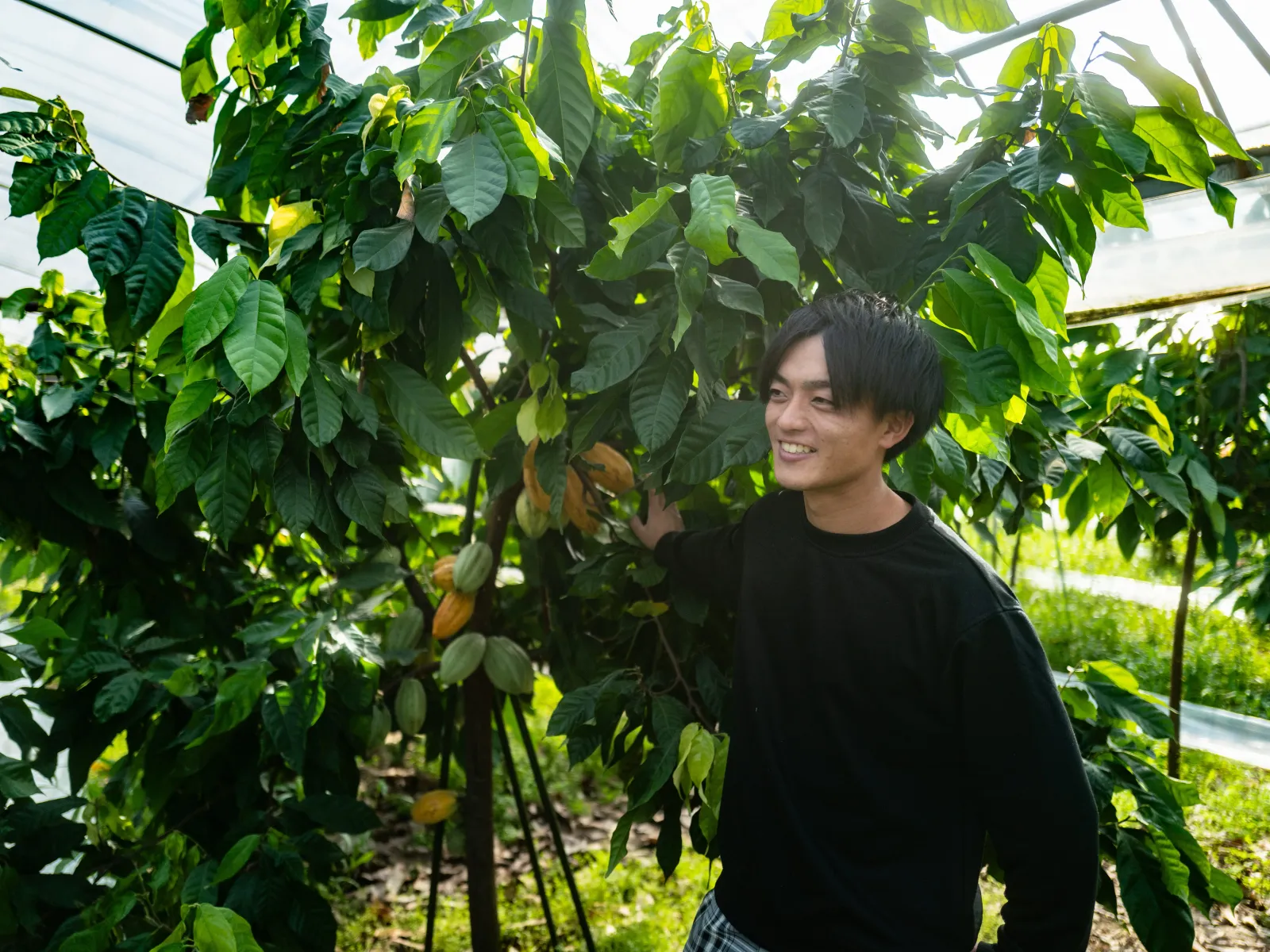
Beyond entire businesses, platforms also help newcomers get infrastructure. Takayuki Otawara, 29, a former civil servant in Miyazaki, wanted to start cacao farming despite no agricultural experience. He found a listing from a strawberry-farming family looking to scale back. Under a business succession agreement, he bought a greenhouse and irrigation equipment for 3 million yen, using the facilities to start his own farm growing cacao, strawberries, bananas, rice, and other crops. He didn't take over the business; he used the facilities to launch his own.
The trend is not just about bargain deals. It reflects a demographic shift with economic consequences. Without successors, many small businesses would simply close, taking jobs and local services with them. Platforms like Relay and BATONZ are becoming critical infrastructure for preserving Japan's small-business economy. For young entrepreneurs, these takeovers offer a lower-cost entry point into industries like hospitality and agriculture, but they also come with the responsibility of maintaining a legacy.
For executives and investors watching Japan, this is a signal: the country's small-business sector is being repriced. Assets that once required significant capital are now available at fractions of their historical value, but the real cost is the obligation to keep them running. The success of these handovers will depend on whether the next generation can adapt traditional businesses to modern demands - and whether the platforms can scale to meet the demand. As Japan's population continues to age, expect more zero-yen deals and more young operators betting on themselves.
This story's Key Insights and Take-aways are locked.
Create a free account to unlock Executive Actions for one credit.
Register to UnlockAlways free for Executives Club members. Join the Club
More in Business

A flaw in PHP just forced governments to pull their own sites offline
European agencies from Belgium to Germany took websites dark to patch a critical weakness in the language behind almost 70% of the web, and the blast radius extends far beyond government portals.

BioWare shuts down, Mass Effect 5 dead after $55B EA buyout
The legendary RPG studio's closure lands months after a $55 billion investment group buyout of EA, raising tough questions for gaming's biggest acquirers.

Musk barred from the room as Tesla, SpaceX boards weigh $3.5 trillion merger
The CEO of both companies is a 'conflicted party' watching independent directors negotiate a tie-up that would create a $3.5 trillion giant he would own about a third of.