
Japan's foreign-professional inflow is slowing, and AI is the new culprit
A Nikkei Asia report shows AI is crimping hiring for foreign talent in Japan, forcing companies and policymakers to rethink workforce strategy.

Japan is seeing a slowdown in the inflow of foreign professionals as AI tools reduce demand for entry-level and mid-level roles. For decision-makers, this means recruitment strategies and immigration policies must shift toward higher-value skills and AI-augmented roles.
Japan has long been a magnet for foreign professionals looking to fill gaps in its aging workforce. But that pipeline is now narrowing, and the culprit is artificial intelligence. According to Nikkei Asia, the inflow of foreign professionals into Japan is slowing as AI crimps hiring, a shift that could reshape everything from corporate recruitment to national immigration policy. The slowdown is not a blip; it is a structural change in how Japanese companies think about talent, and it carries urgent lessons for executives everywhere.
The mechanism is straightforward: AI tools are automating many of the tasks that foreign hires were traditionally brought in to do. Software development, translation, data processing, and even some engineering work can now be handled by large language models and automated systems. As Japanese companies adopt these tools, they are finding they need fewer entry-level and mid-level foreign workers, and the ones they do hire must bring skills that AI cannot easily replicate. This is not just a cost play; it is a fundamental reassessment of what human workers add in an AI-augmented workplace.
This is a significant reversal for Japan. For years, the country has leaned on foreign professionals to offset a shrinking domestic labor force. Government programs like the Specified Skilled Worker visa, introduced in 2019, were expanded to bring in more talent, and companies from tech to manufacturing built pipelines to recruit overseas. The logic was simple: Japan's population is declining, and foreign workers were seen as the most direct answer to labor shortages. But the AI wave is now undercutting that calculus, forcing a reassessment of how many foreign workers Japan actually needs and at what skill level.
The slowdown is not just about headcount. It is also about the nature of the work. AI is raising the bar for what constitutes a valuable hire. Routine coding, basic data analysis, and even some customer support roles are being automated, which means foreign professionals who were hired for those tasks are seeing fewer opportunities. At the same time, demand is growing for workers who can build, train, and manage AI systems - a skill set that is scarce everywhere, not just in Japan. The result is a talent market that is simultaneously shrinking at the bottom and expanding at the top, and Japan is caught in the middle.
For companies operating in Japan, the implications are immediate. Recruitment strategies that worked a few years ago - hiring foreign graduates for entry-level engineering or back-office roles - are becoming less effective. Firms need to rethink their talent models, focusing on higher-value positions where human judgment, creativity, and cross-cultural communication still matter. That may mean investing in upskilling current employees, both local and foreign, rather than simply adding headcount. It also means rethinking the value proposition for foreign talent: if AI can do the routine work, why should a skilled professional relocate to Tokyo? Companies need a compelling answer.
Policymakers face a parallel challenge. Japan's immigration system has been designed to fill specific labor shortages, but those shortages are shifting as AI adoption accelerates. The government may need to recalibrate its visa programs to attract AI specialists, data scientists, and other high-skilled professionals, while also preparing for a future where fewer low-skill foreign workers are needed. The risk is that Japan falls behind in the global race for AI talent, even as it reduces demand for other types of foreign labor. This is a delicate balancing act: open the door wider for the people AI cannot replace, while managing the social and economic consequences of a shrinking pool of routine jobs.
The broader lesson for executives is that AI is not just a productivity tool; it is a workforce strategy disruptor. The same technology that is crimping hiring in Japan is likely to affect talent flows in other developed economies with aging populations, from Germany to South Korea. Companies that treat AI as a substitute for human labor may find short-term savings, but those that use it to augment their existing workforce and reskill for higher-value roles will be better positioned for the long run. The Japanese experience is an early warning: the competition for talent is no longer just about geography or salary; it is about how quickly an organization can adapt to a world where AI changes the definition of essential skills.
This story's Key Insights and Take-aways are locked.
Create a free account to unlock Executive Actions for one credit.
Register to UnlockAlways free for Executives Club members. Join the Club
More in Business

Royal Caribbean just spent $3B to own half of Sandals
The cruise giant is buying a 50% stake in the all-inclusive resort chain for $3 billion, a bet that land-based vacations are the next growth engine.

Paramount's Ellison: Merger Clearance Done, WBD Deal by Oct 1
David Ellison says the Paramount-WBD merger has full clearance after settling with state AGs, clearing the path for an October 1 close.
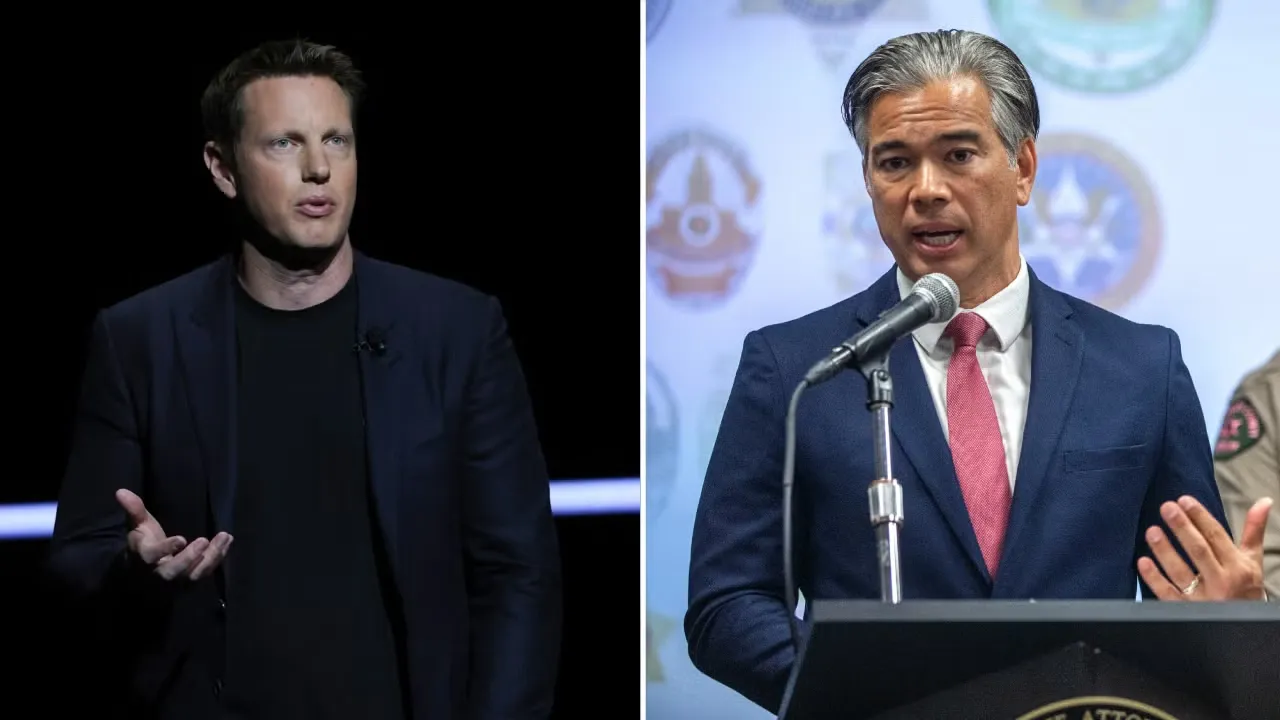
Paramount settles with 12 states, $110B Warner merger clears final hurdle
David Ellison's studio avoids a March trial and a $7M-a-day ticking fee by settling with state AGs over local job losses.