

Jay Feely wins Arizona's 1st GOP primary, clearing Trump-backed path to November showdown
The former Cardinals kicker defeats Joseph Chaplik and now faces Democrats’ best shot at flipping an open suburban seat.
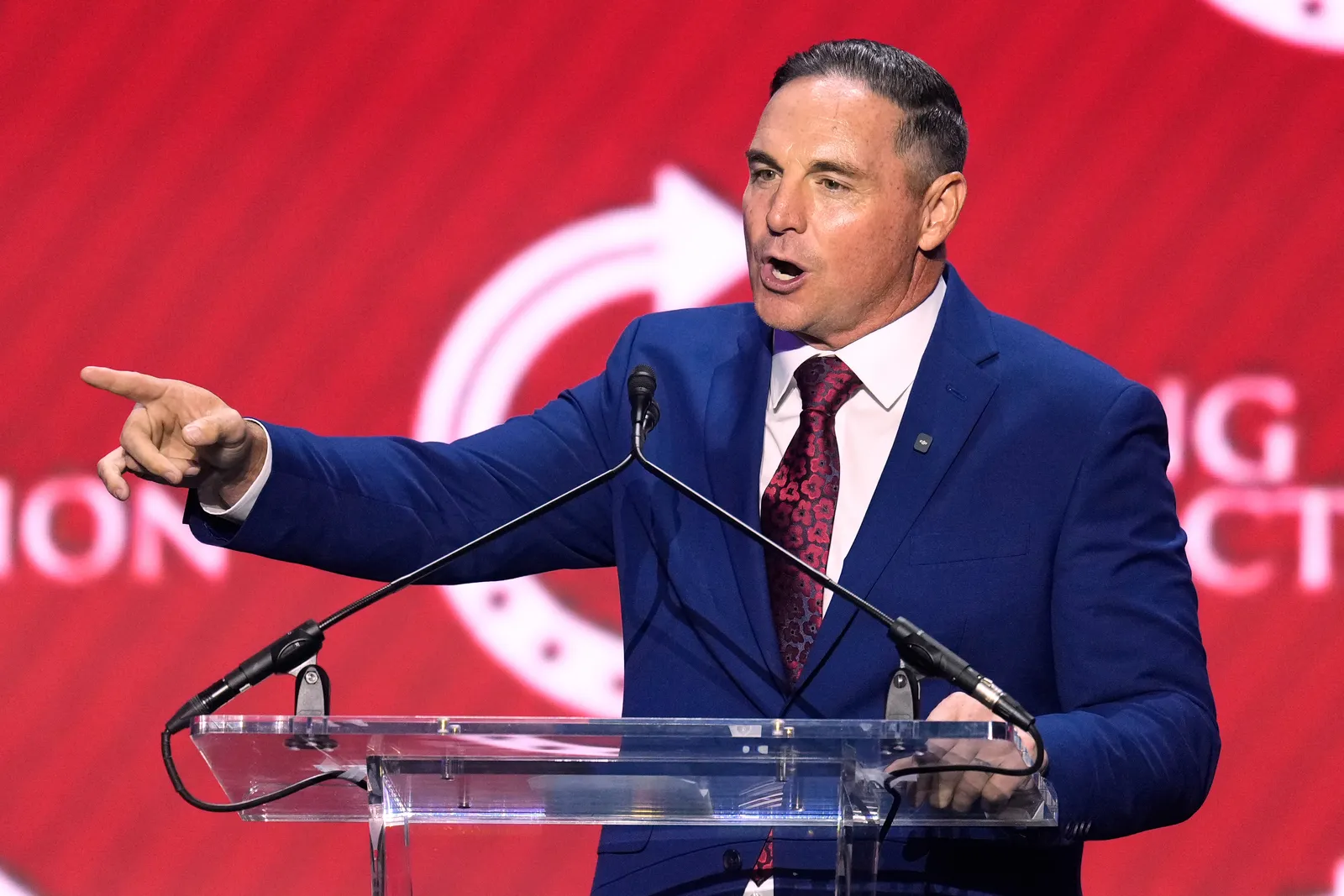
Jay Feely, the Trump-backed former Arizona Cardinals kicker, won the GOP primary in Arizona’s 1st District on Tuesday, defeating former state Rep. Joseph Chaplik. The result sets up a high-stakes November contest in one of the country’s most competitive battleground House seats where Democrats are bullish about flipping.
Jay Feely won Arizona’s 1st District GOP primary on Tuesday, defeating former state Rep. Joseph Chaplik in a race that was never really just about local politics. Feely, a close ally of President Donald Trump, is now set to face the Democratic nominee in November for a seat that Democrats consider a prime target and that Republicans won in 2024 by only three points.
Why this matters immediately for decision-makers: the GOP is trying to keep control of a district that sits in affluent suburbs north of Phoenix, and the margin from the last cycle signals how breakable the seat is. In other words, this is the kind of House district where one misstep, one scandal, or one messaging failure can turn “safe GOP” into “surprise pickup for the other side.” Feely’s primary win clears him into that environment with the added advantage of Trump’s endorsement and the fundraising attention that typically comes with it.
Feely didn’t just come out of nowhere. He leveraged Trump’s backing to topple Chaplik, and both the district’s profile and the candidate’s brand line up with Trump-era congressional politics. Feely is a former professional football player, and the source notes he counts Tom Brady among his college roommates. But the more operational point is that Feely’s candidacy is built around proximity to Trump, not merely shared ideology. In a debate, Feely said, “Who can call [Trump] and who can get him to answer? That’s me,” adding, “He will take my call and he will listen. I have the ability to have the ear of the president.”
That framing mattered in the primary because Chaplik attacked Feely for being insufficiently conservative on gun rights and for his humanitarian work in Haiti. This is a common pattern in competitive primaries: the challenge is often less about basic viability and more about ideological certification. Chaplik, a member of the Arizona Freedom Caucus, tried to position himself as the more reliably conservative choice, essentially arguing that voters should not gamble on a candidate whose priorities might be less aligned on specific issues like gun rights. Feely’s response leaned on the Trump connection, signaling that the campaign’s ceiling could be shaped by national-level credibility, not just district-level approval.
The bigger GOP chess move behind all this is that Feely switched into the 1st District after earlier seeking a different seat. The source says Feely first announced his candidacy for GOP Rep. Andy Biggs’ seat in Arizona’s 5th District. After Trump backed former Pinal County sheriff Mark Lamb in that race, Feely switched to the 1st District, where he earned the president’s dual endorsement alongside former state GOP chair Gina Swoboda. That endorsement structure is not decorative. When a former president focuses backing on a candidate, it often reorganizes attention, money, and party messaging, especially in districts where the margin is thin.
Trump’s support was explicit in the timeline. In January on Truth Social, Trump said, “Both fierce advocates of Make America Great Again, Jay and Gina have been with us from the very beginning, and either one would be an incredible Representative.” Then, in February, Swoboda dropped her candidacy for the 1st District and instead ran for secretary of state. That left Feely with a clearer lane, reducing internal friction within the GOP coalition while keeping the Trump-linked narrative intact.
There is also a practical fundraising implication embedded in the source: Feely is a member of the National Republican Congressional Committee’s MAGA Majority fundraising program, and he will likely be a top recipient of outside Republican spending in the months leading to November. For boards, investors, and anyone funding or partnering with political-adjacent operations, that matters because outside spending tends to concentrate around candidates with the best chance of converting money into votes. In a year with major headwinds for Republicans, that concentration can shape local media buys, ground operations, and advertising narratives well before Election Day.
So what should peers in similar roles take from this? Feely’s primary win is a reminder that in battleground House districts, candidate selection is a strategic resource allocation decision. The party is trying to maximize its probability of holding seats, while Democrats are pushing to flip an open target with a previous 2024 margin of just three points. If Feely can make the national Trump-linked message feel personal to suburban voters north of Phoenix, Republicans keep a foothold. If not, Democrats get a realistic path to turning this district into another midterm-era wake-up call.
This story's Key Insights and Take-aways are locked.
Create a free account to unlock Executive Actions for one credit.
Register to UnlockAlways free for Executives Club members. Join the Club
More in Politics
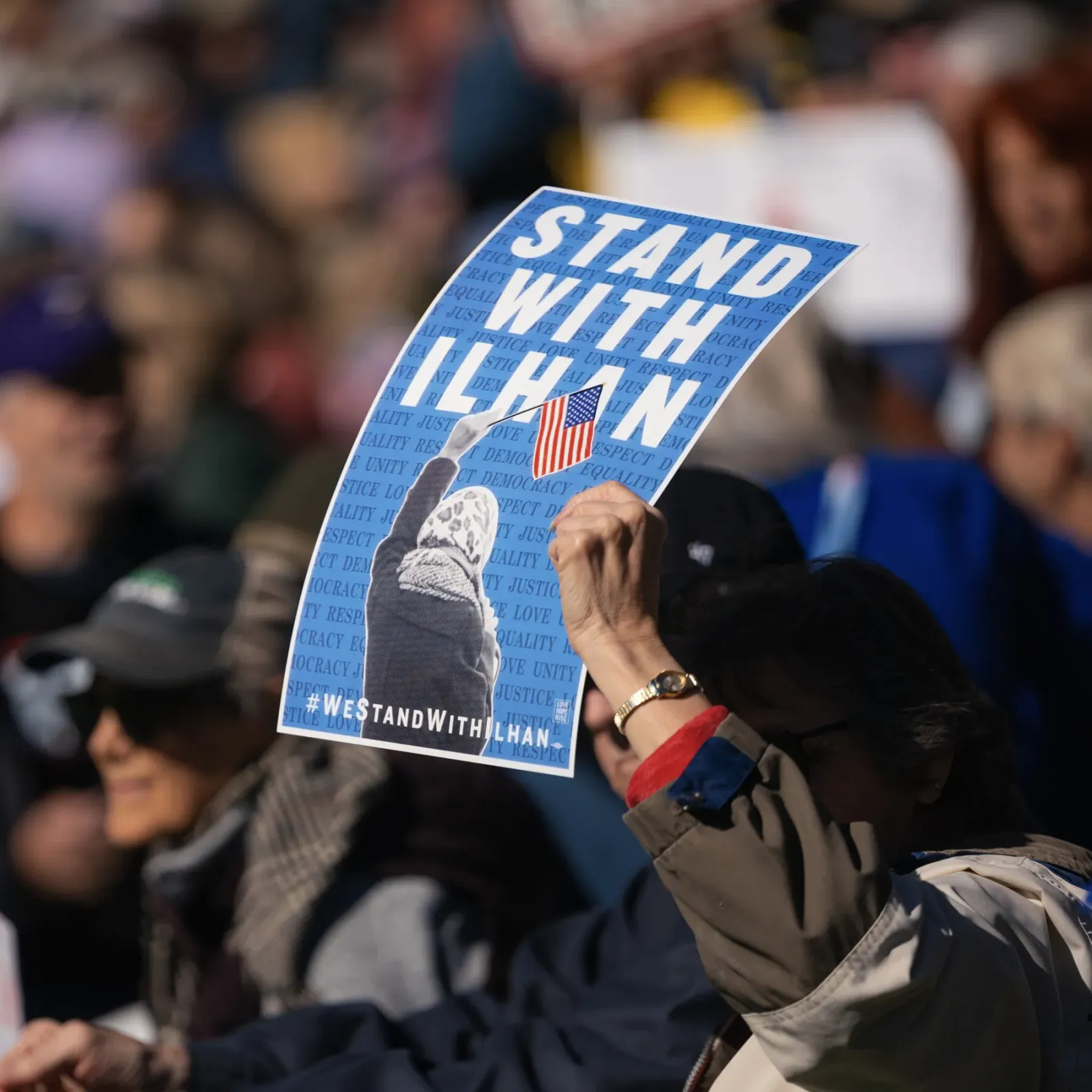
Obama Defends Ilhan Omar After Agents Search Her Home in Trump Inquiry
The former president's intervention raises the stakes in a federal probe into immigration paperwork that has put a prominent progressive lawmaker in the crosshairs.
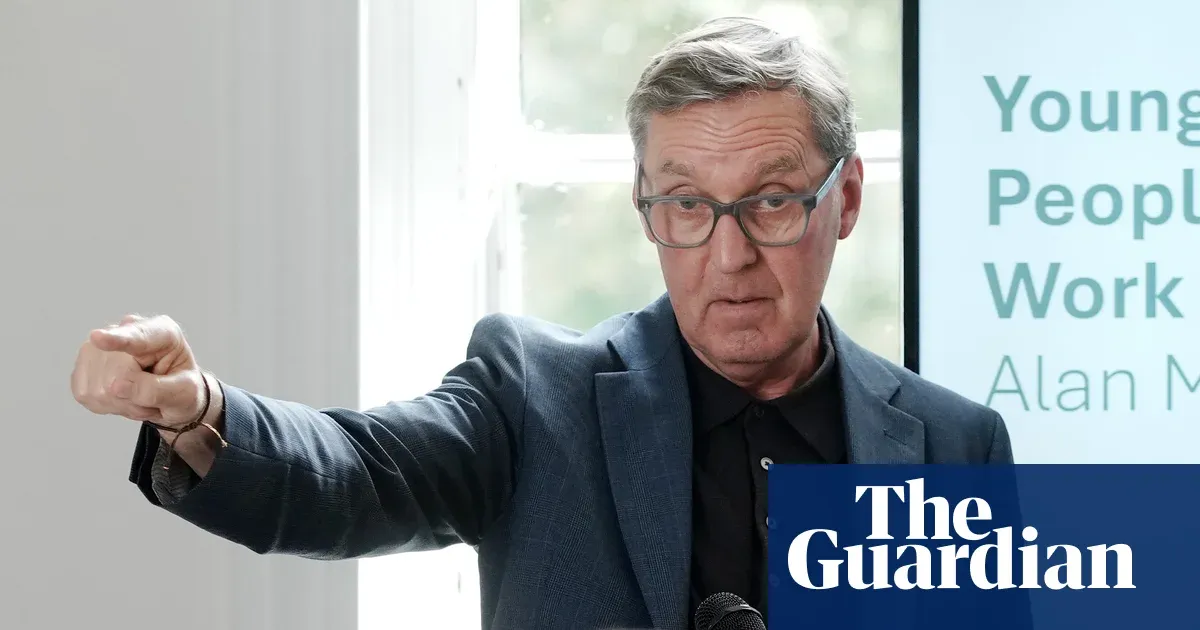
Blair-era minister: cut welfare to fund youth job support
Alan Milburn's call for welfare cuts to fund employment support opens a Labour fight over benefits and the Neet crisis.
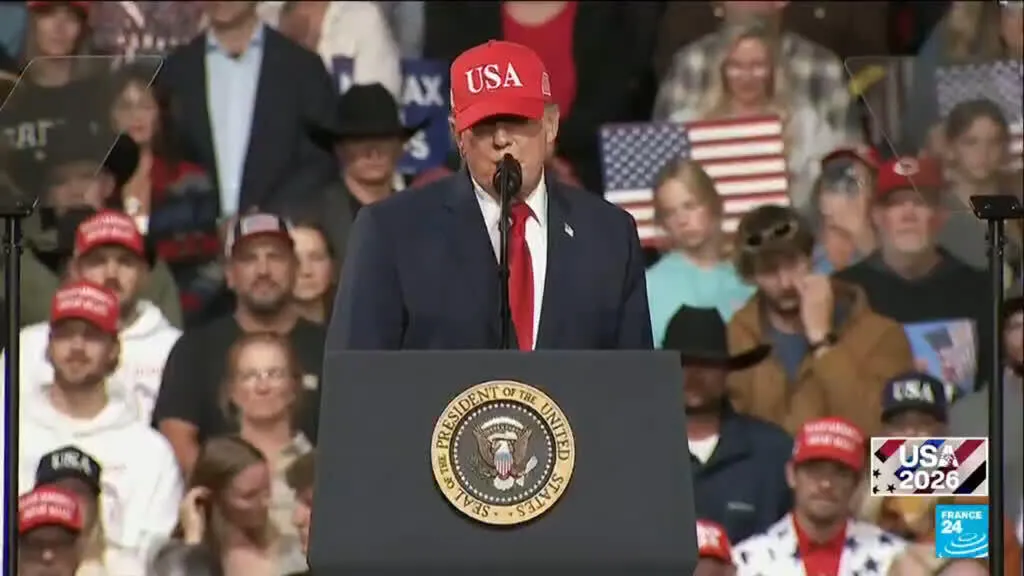
Hot September CPI: energy costs surge, voters feel the squeeze before midterms
The latest inflation print lands as Trump campaigns for GOP control of Congress, putting cost-of-living worries at the center of the midterm fight.