

JD Vance calls out Microsoft in H-1B visa crackdown
The administration's new H-1B restrictions target tech hiring practices, with Microsoft singled out for abusing the system.
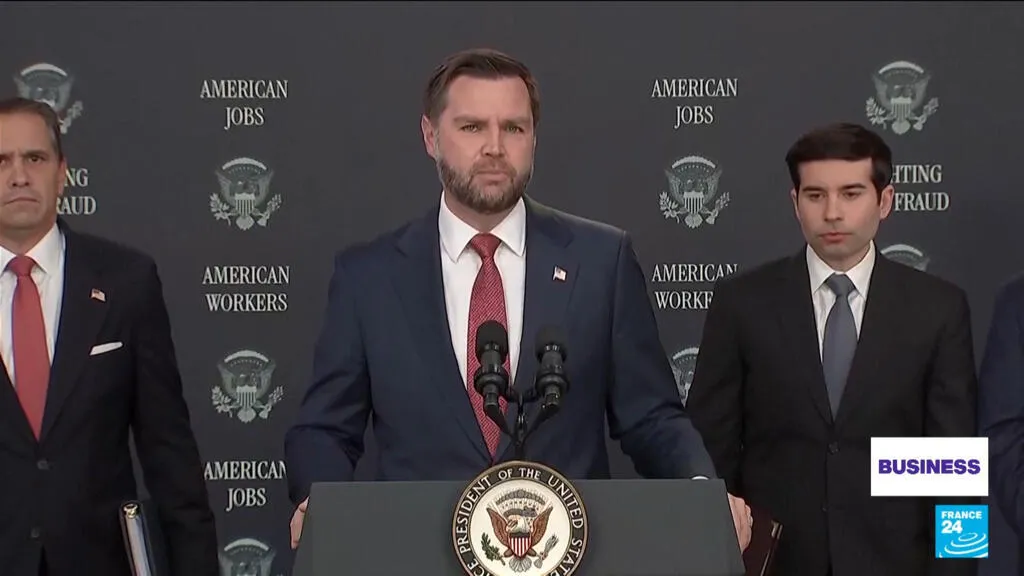
Vice President JD Vance singled out Microsoft for allegedly abusing the H-1B visa program to recruit low-cost foreign workers, as the Trump administration imposes new restrictions. Tech leaders must reassess their visa-dependent hiring strategies and prepare for tighter scrutiny.
Vice President JD Vance has put Microsoft on the spot in the Trump administration's latest immigration crackdown, accusing the tech giant of abusing the H-1B visa program to hire low-cost foreign workers at the expense of American employees. The charge, delivered as the administration rolls out new restrictions on the visa program, lands on one of the largest users of H-1B visas in the country. Microsoft has defended its hiring practices, but the political and regulatory pressure is now impossible to ignore for every company that relies on skilled foreign talent.
The new restrictions are part of a broader administration push to tighten immigration and reshape the labor market. Vance's direct naming of Microsoft is a significant escalation, turning a general policy debate into a public shaming of a specific corporate giant. For tech companies, the message is clear: the era of quietly relying on H-1B visas to fill engineering and IT roles is over, and the cost of that reliance is now a reputational and legal liability.
H-1B visas have long been the primary legal pathway for foreign tech workers to be employed in the United States. The program is capped at 85,000 new visas per year, with a lottery system that has historically favored large tech companies and outsourcing firms. Microsoft, along with peers like Amazon, Google, and Meta, has consistently been among the top sponsors. The administration's crackdown could disrupt that pipeline, forcing companies to either raise wages, shift work to American hires, or move roles offshore.
The political framing is important. Vance's accusation is not just about immigration policy; it is about the perception that tech companies are gaming the system to depress wages. The argument that H-1B workers are paid less than their American counterparts has been a recurring theme in the debate, even though studies show that H-1B workers in tech often earn competitive salaries. The administration's new restrictions are likely to include stricter wage requirements, more rigorous audits, and possibly a reworking of the lottery system to favor higher-skilled, higher-paid applicants.
For Microsoft, the defense is likely to center on its compliance with existing rules and its contributions to the American economy. The company has argued that it uses the program to fill genuine skill gaps and that its hiring practices are fair and transparent. But in the current political climate, that defense may not be enough. The administration is clearly willing to name and shame, and the threat of further action, including potential fines or restrictions on future visa approvals, looms large.
The implications extend beyond Microsoft. Every tech company that relies on H-1B visas is now on notice. Boards and executives should be reviewing their visa sponsorship strategies, assessing their exposure to regulatory changes, and considering contingency plans. The crackdown could also accelerate the trend of companies building out engineering teams in Canada, India, and other countries, as the cost and complexity of hiring in the US increases.
There is also a broader economic angle. The tech sector has long argued that H-1B workers are essential to maintaining America's competitive edge in innovation. Restricting the program could slow down product development, increase labor costs, and push more work overseas. The administration's stance, however, suggests that it is willing to accept those trade-offs in exchange for a more protectionist labor market.
For decision-makers, the takeaway is straightforward: the H-1B program is no longer a quiet backdoor for talent acquisition. It is a political flashpoint, and companies that depend on it need to be prepared for a more adversarial regulatory environment. That means diversifying talent pipelines, investing in American workforce development, and being ready to defend hiring practices in public. The crackdown is not just a policy change; it is a signal that the rules of the game have changed.
This story's Key Insights and Take-aways are locked.
Create a free account to unlock Executive Actions for one credit.
Register to UnlockAlways free for Executives Club members. Join the Club
More in Politics
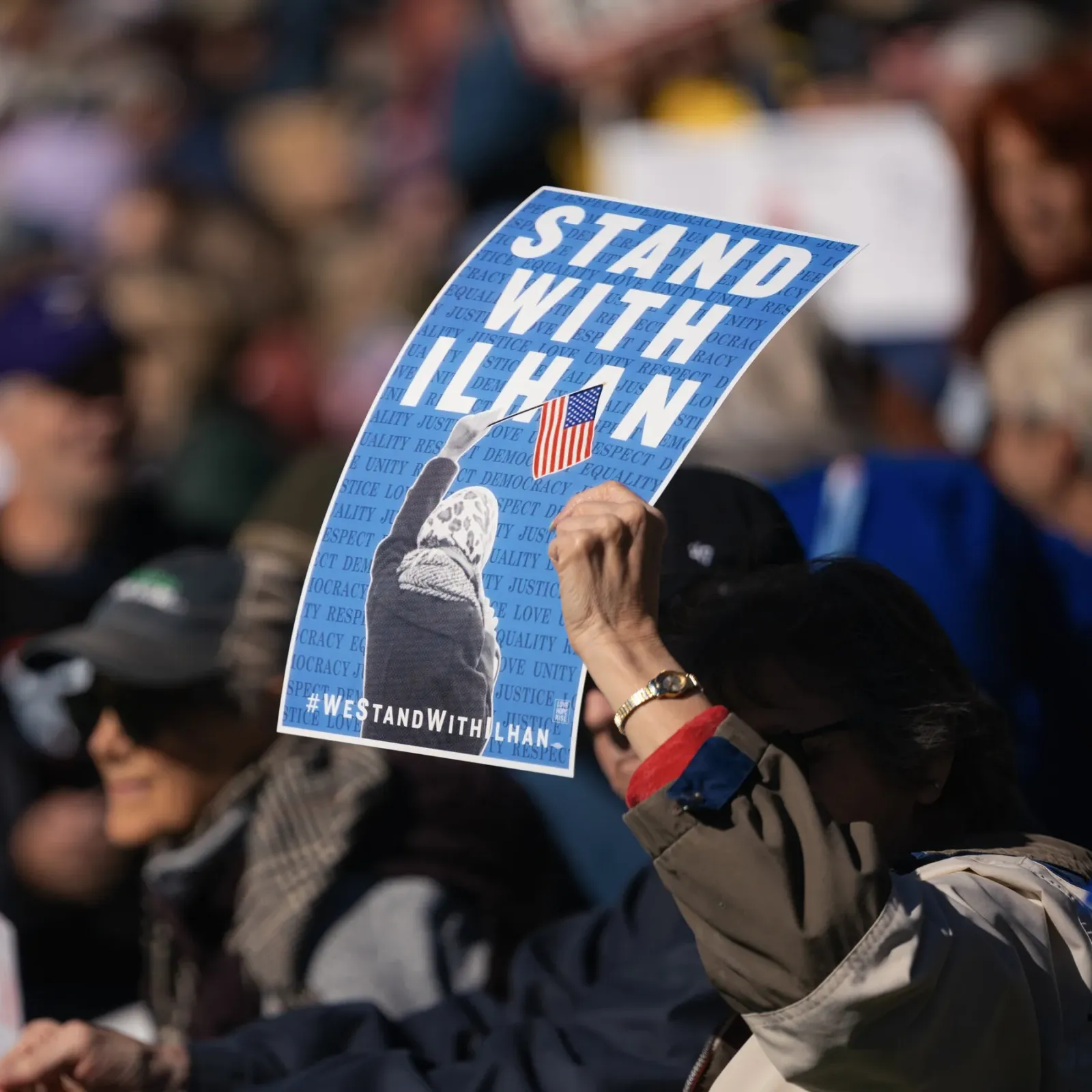
Obama Defends Ilhan Omar After Agents Search Her Home in Trump Inquiry
The former president's intervention raises the stakes in a federal probe into immigration paperwork that has put a prominent progressive lawmaker in the crosshairs.

Blair-era minister: cut welfare to fund youth job support
Alan Milburn's call for welfare cuts to fund employment support opens a Labour fight over benefits and the Neet crisis.
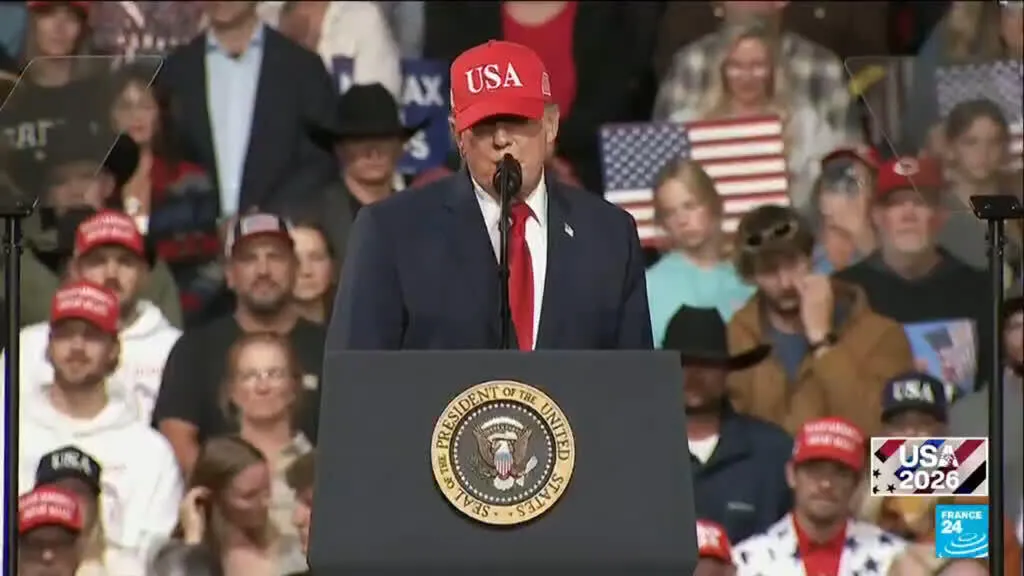
Hot September CPI: energy costs surge, voters feel the squeeze before midterms
The latest inflation print lands as Trump campaigns for GOP control of Congress, putting cost-of-living worries at the center of the midterm fight.