

JD Vance cautiously defended the Iran war on Rogan, hinting at skepticism
His first on-air conversation since 2024 threads the needle between backing the campaign and sounding unsure about it.
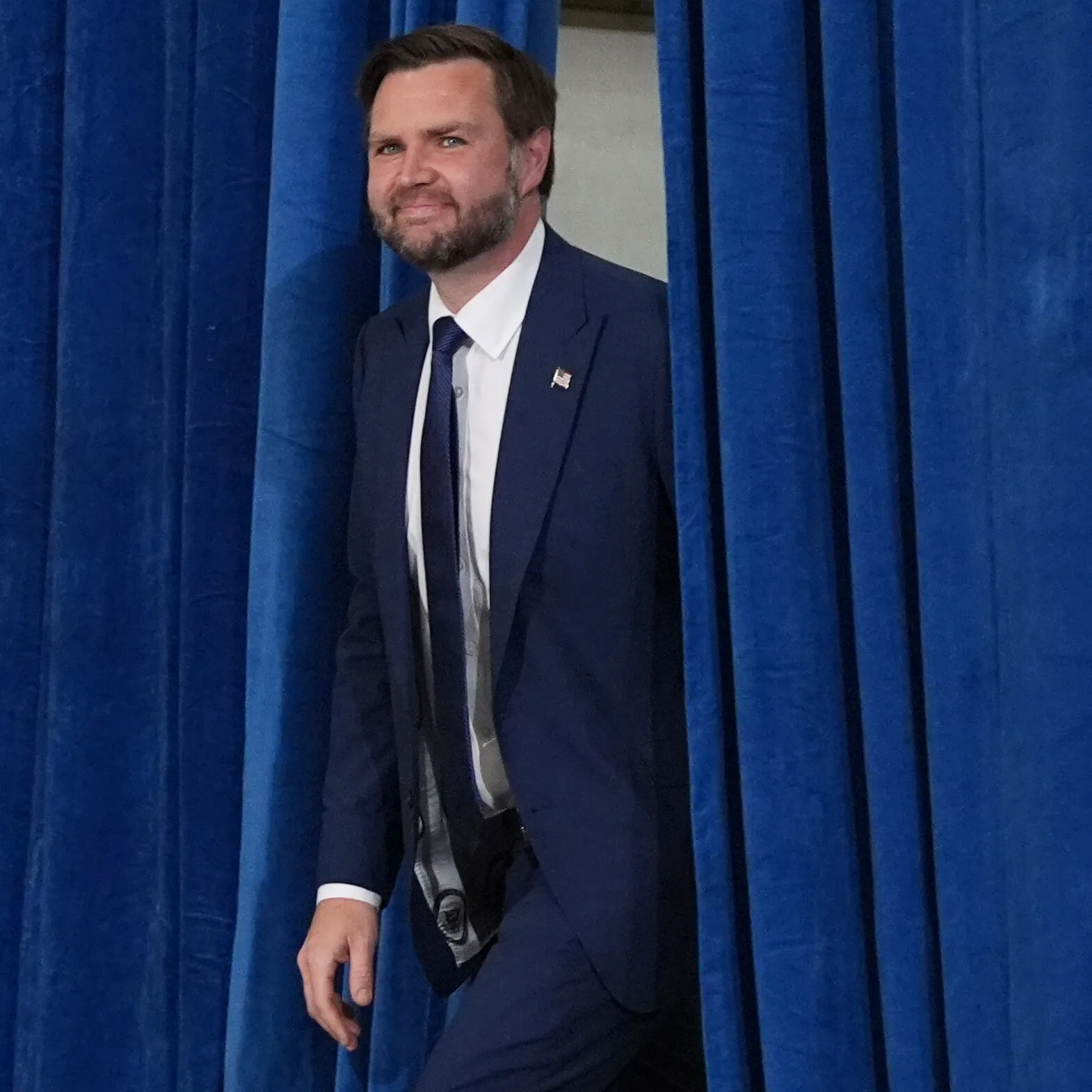
Vice President JD Vance used his first on-air conversation with Joe Rogan since 2024 to cautiously defend the Iran war while hinting at skepticism. For decision-makers tracking U.S. policy credibility, the nuance matters as much as the policy itself.
JD Vance, the vice president, used his first on-air conversation with Joe Rogan since 2024 to do something politically delicate: cautiously defend the Iran war, while also hinting that he has doubts about it. That mix of backing and hedging is the entire story. It signals that even inside the executive branch, “support” might not mean “no questions,” and the next question is what that does to momentum, messaging, and follow-through.
Why does this matter beyond the comment section? Because in a conflict that involves sanctions, military posture, and international signaling, ambiguity can change how other actors behave. Even when officials publicly maintain a stance, the presence of skepticism can affect calculations in capitals far from Washington, and it can shape how markets price uncertainty around defense and energy risk. When the vice president frames a war as defensible, but not fully settled in his own mind, it is essentially broadcasting: the policy is being managed in real time, not simply executed.
Zoom out to how this tends to work in U.S. politics. Foreign policy is rarely a single decision. It is a sequence of choices that includes authorizing force or limiting it, deciding how hard to push diplomacy, and calibrating enforcement tools like sanctions. Each choice creates incentives for different players: the national security establishment wants continuity, political leaders want domestic narrative discipline, and allies want predictability. When a high-profile interview introduces skepticism, it can raise the question of whether the policy is stable, or whether leadership is preparing the political ground for a different posture later.
There is also the media and audience dimension. Rogan is not a press briefing; it is a long-form environment where nuance can come across as candor. That is exactly why the “cautious defense plus skepticism” framing is risky. It reassures supporters that the administration will not be seen as abandoning the war, but it gives critics openings to argue that doubts exist at the top. For leaders and strategists, the second-order effect is not whether viewers interpret a line correctly. It is whether the line becomes ammo for future policy debates, and whether opponents can use the hedging as evidence of internal conflict.
For boards, investors, and executives with international exposure, the operational lesson is the one people sometimes miss: political messaging is not separate from risk management. Geopolitical policy affects supply chains, shipping, insurance, and energy pricing. It can also affect regulatory posture at home, because Washington often translates conflict into domestic enforcement decisions. When officials talk around a war rather than speaking in absolutes, it can hint at future adjustments in how aggressively the U.S. will apply pressure, or how quickly it might seek diplomatic off-ramps.
The regulatory background matters here even if the interview itself is not about regulators. In practice, U.S. foreign policy toward Iran often ties into sanctions regimes and compliance obligations for firms that touch Iranian counterparties, even indirectly. Changes in tone can influence how companies assess enforcement intensity and compliance risk. That does not mean the interview announces new policy, and the source does not add any additional facts beyond the cautious defense and the hinted skepticism. But it does mean executives should treat messaging from top officials as one more input into scenario planning.
Finally, there is the internal governance angle. A vice president carrying that kind of nuance on a mainstream megaphone is a reminder that administrations manage coalitions with different appetites for escalation and restraint. Even when policy direction is unified on paper, leaders still negotiate political survival. If the vice president is willing to publicly hint at skepticism, it suggests that the administration is balancing supporters who want a firm line with skeptics who demand accountability for outcomes.
The strategic stake for peers in similar roles is simple: in conflicts with long timelines, credibility is a resource. JD Vance’s interview, by defending the Iran war cautiously while hinting at skepticism, shows how that resource is being spent. It is a signal that the administration is trying to keep the policy afloat while leaving room for possible recalibration, and that is the kind of uncertainty that deserves attention from anyone whose business depends on global stability.
This story's Key Insights and Take-aways are locked.
Create a free account to unlock Executive Actions for one credit.
Register to UnlockAlways free for Executives Club members. Join the Club
More in Politics
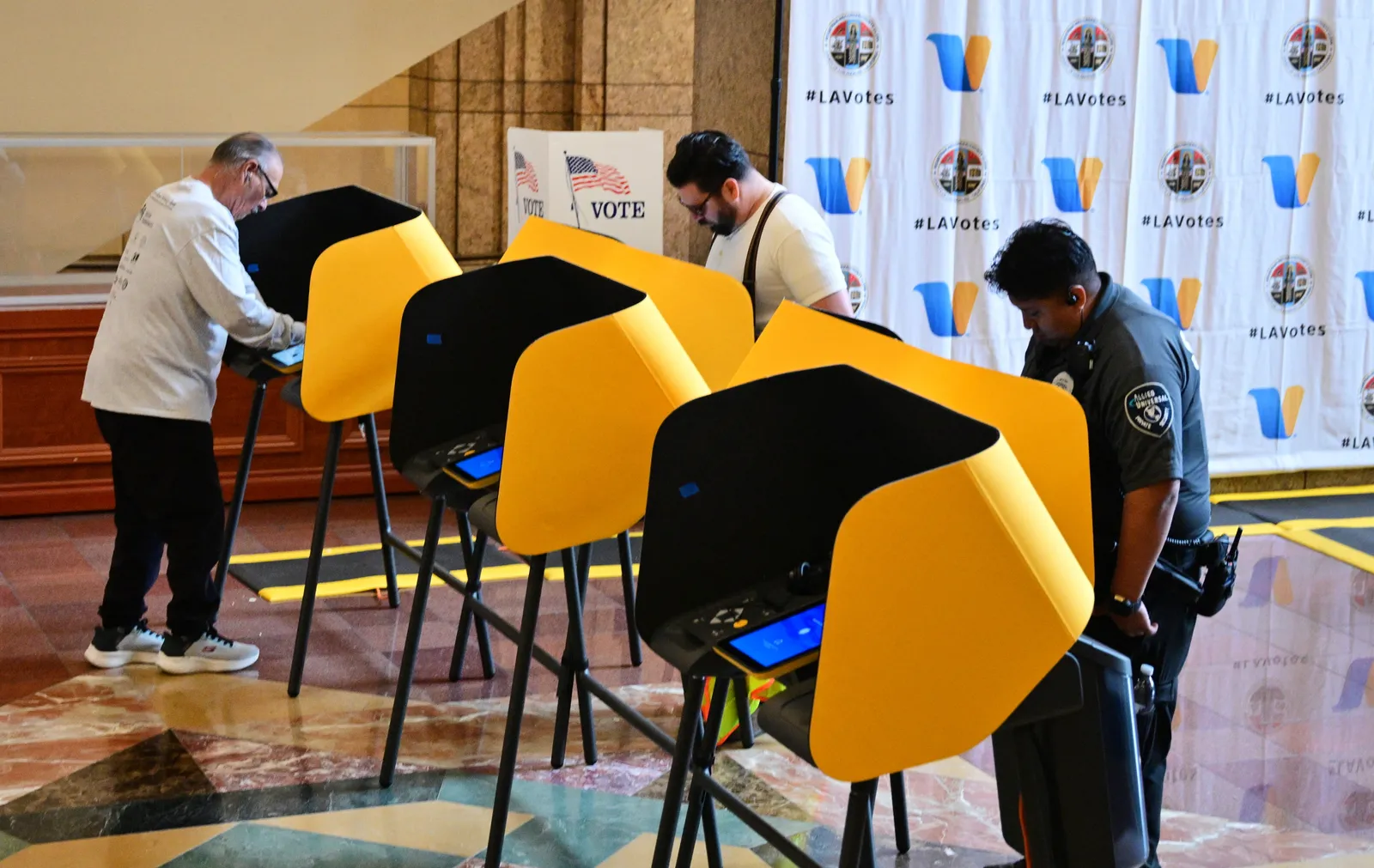
LA County: DOJ's 20,000 'noncitizen' voter list is 'unreliable,' includes U.S.-born
Preliminary review by Los Angeles County election officials finds errors in the federal list, raising the stakes for voter roll integrity ahead of November.
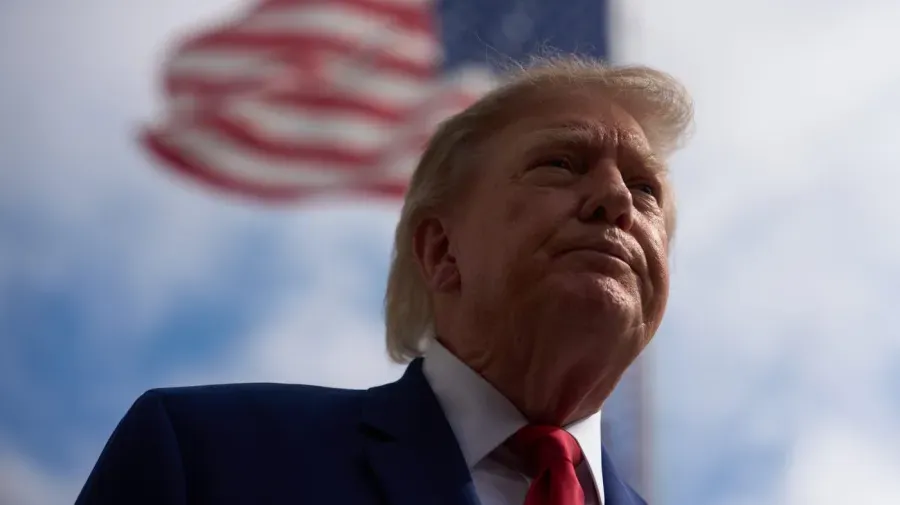
Trump's $1.5B Pentagon chip investment lands in North Carolina
A $1.5 billion defense infusion for North Carolina chipmaking signals a new era of Pentagon-backed reshoring - here's what it means for the industry.
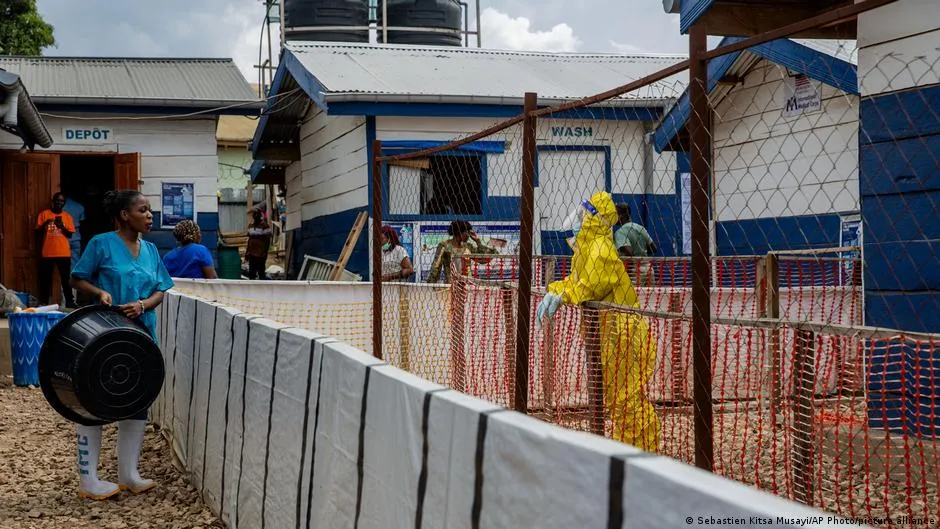
Nigeria confirms first Ebola case in Abuja, a woman just off a Uganda flight
Health Minister Muhammad Ali Pate says the patient flew in from Uganda, putting Africa's latest outbreak on Nigeria's doorstep.