

Jean-Noël Barrot says Iran held two French embassy officials for hours and abused one
The Foreign Minister calls it an “extremely serious act of intimidation” as French diplomats report detention, interrogation, and physical abuse.

France's Foreign Minister Jean-Noël Barrot said two French embassy officials in Iran were subjected to an “extremely serious act of intimidation” by Iranian security services. Barrot added that one of them was held and interrogated for hours, and also subjected to physical abuse.
France's Foreign Minister Jean-Noël Barrot says Iranian security services subjected two French embassy officials to an “extremely serious act of intimidation” in Iran the day before, after they were held and interrogated for hours. Barrot also said one of the two officials was subjected to physical abuse.
That single sequence matters because it is not just routine diplomatic friction. When a government publicly characterizes an incident as “extremely serious act of intimidation,” it is signaling that France believes this crossed a line from administrative inconvenience into coercion and mistreatment. In other words, the stakes are immediate for anyone tasked with managing state-to-state relationships, the safety of personnel abroad, and the diplomatic and legal messaging that follows such events.
This is the kind of story that tends to look small from a distance, then quickly proves it is operationally and strategically huge up close. For the French government, embassy staff are not interchangeable. They are the daily interface between states, responsible for consular services, diplomatic reporting, and coordination when crises hit. If security services can detain and physically abuse embassy officials, it changes how embassies plan travel, routine engagement, and contingency response. It also changes how quickly diplomats have to anticipate escalation, because interrogation and holding for hours are not hypothetical. They describe a real, time-bound process that could repeat.
The phrase Barrot used is doing work here. “Extremely serious act of intimidation” is a framing choice, and framing is not just language in diplomacy. It sets the tone for how France may communicate next, including with Iranian authorities through diplomatic channels and with partners through public diplomacy. It also matters internally for risk and compliance teams. Embassies run on protocols and escalation ladders. Incidents like this become case studies that compliance and security leadership must translate into updated guidance, training, and monitoring for personnel in country.
There is also a broader geopolitical context underneath the headlines, even if the source sticks to the immediate facts. France, like many European governments, conducts extensive diplomatic, economic, and security coordination with Iran and within international forums. When incidents involve detained foreign officials and physical abuse, the downstream effect can ripple beyond diplomats themselves. Governments tend to review sanctions posture, consular arrangements, and the operational mechanics of diplomatic travel and engagement. Companies operating in or connected to Iran often watch these developments closely because diplomatic strain can affect regulatory exposure, licensing, and the practical ability to operate across borders.
Executives and boards may not handle embassy security directly, but they handle the consequences when governments harden positions. In many industries, risk is priced not only through direct operations but also through policy direction: enforcement intensity, documentation requirements, and the political risk premium. A high-profile incident can tighten the environment for cross-border transactions, especially for firms that depend on predictable regulatory pathways. Even when the incident is not about commercial activity, it can lead governments and regulators to re-check procedures and re-issue guidance, and that can translate into more friction for businesses with Iran-linked supply chains, counterparties, or compliance obligations.
For investors, there is a second-order effect too: volatility in state risk tends to show up indirectly in market sentiment and counterparty behavior. When governments communicate with urgency about detention and abuse of diplomatic staff, it can drive counterparties to slow decisions, seek additional legal assurances, and tighten contract terms. Boards should treat this as a signal about the risk environment, not as an isolated diplomatic event. The source confirms the core incident: two French embassy officials were detained and interrogated for hours, and one experienced physical abuse. The characterization as “extremely serious act of intimidation” suggests France is not treating it as a misunderstanding.
So what should decision-makers do with this information? First, ensure their governance and risk functions are aligned on how incidents involving state security and detained personnel could change regulatory and operational conditions. Second, review whether compliance programs for cross-border and sanctioned jurisdictions are stress-tested for abrupt policy tightening. Third, remember that diplomacy is part of the infrastructure of global business. If it strains, everything else that depends on predictable cross-border rules starts to get more expensive, slower, and harder to insure.
This story's Key Insights and Take-aways are locked.
Create a free account to unlock Executive Actions for one credit.
Register to UnlockAlways free for Executives Club members. Join the Club
More in Politics
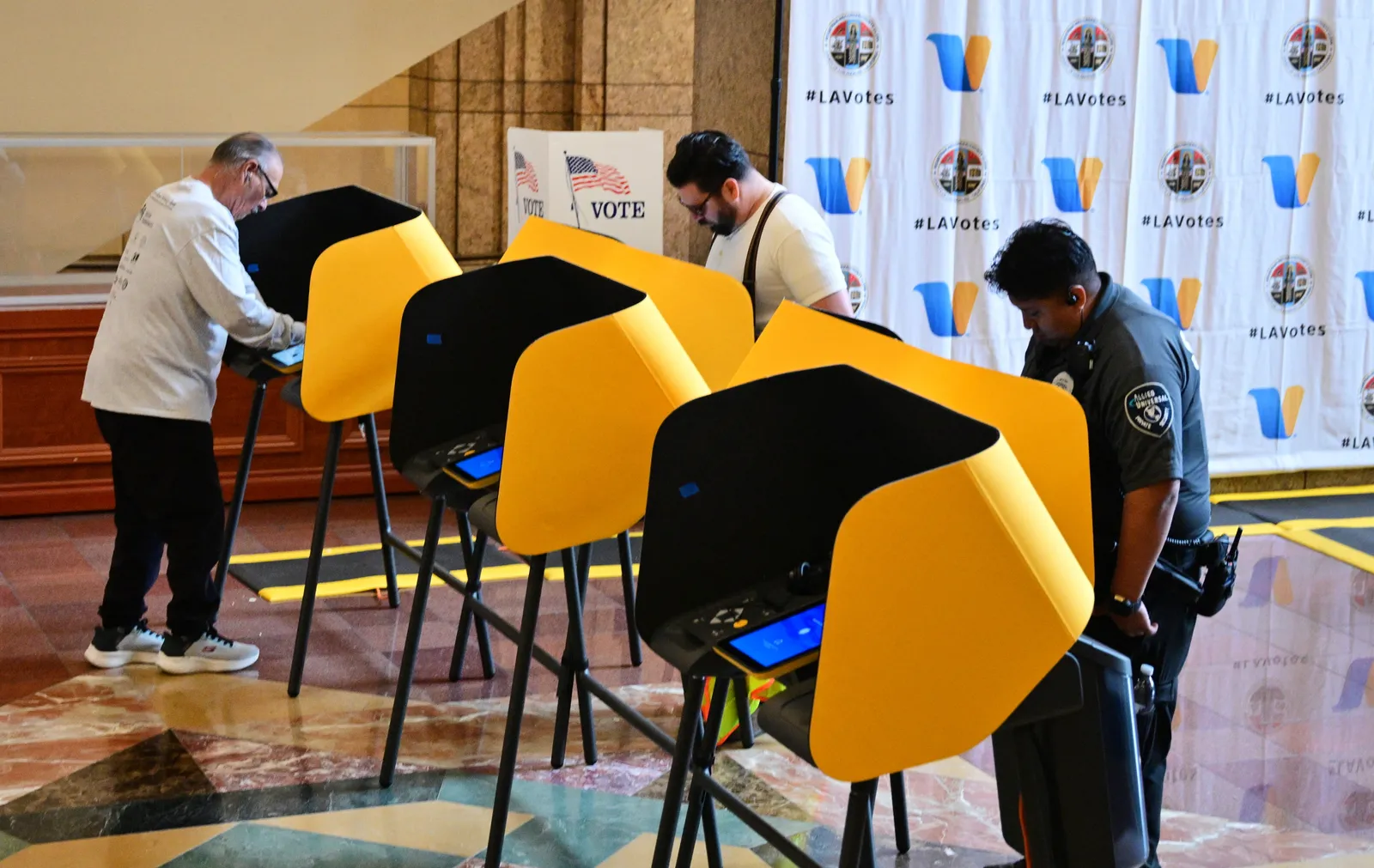
LA County: DOJ's 20,000 'noncitizen' voter list is 'unreliable,' includes U.S.-born
Preliminary review by Los Angeles County election officials finds errors in the federal list, raising the stakes for voter roll integrity ahead of November.
Trump's $1.5B Pentagon chip investment lands in North Carolina
A $1.5 billion defense infusion for North Carolina chipmaking signals a new era of Pentagon-backed reshoring - here's what it means for the industry.
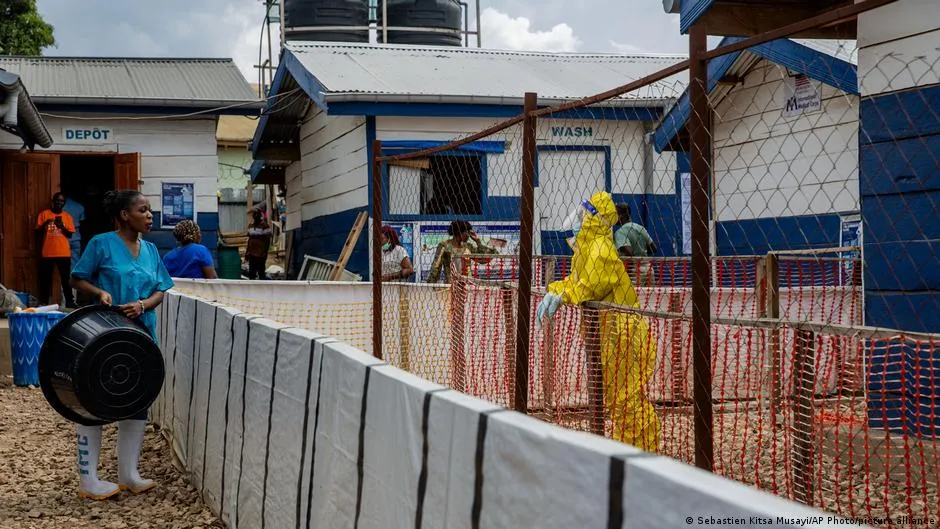
Nigeria confirms first Ebola case in Abuja, a woman just off a Uganda flight
Health Minister Muhammad Ali Pate says the patient flew in from Uganda, putting Africa's latest outbreak on Nigeria's doorstep.