
Jenova Chen’s 20-year path: anti-violence doubts to Van Gogh-style video games
Thatgamecompany’s co-founder went from seeing games as shameful to building art games that sell a new kind of respect.

Jenova Chen, co-founder of Thatgamecompany, describes growing up where video games were viewed as gambling, oversexualized soft porn, and overviolenced, and says his parents would be ashamed of him making games. His 20-year journey shows how that stigma turned into a strategy for building games people treat like culture.
Jenova Chen, co-founder of Thatgamecompany, never seriously considered making video games when he was younger. In his words, “Where I grew up, video games were seen as gambling, and oversexualized kind of soft porn, and overviolenced. Nobody respected video games. My parents would be ashamed if I told them I would be making video games.” That early framing sounds personal, but it is also a clue to why Thatgamecompany’s entire arc is so hard to replicate: Chen was trying to fight not just for a product, but for legitimacy.
When you build a game industry career in an environment that treats games like a guilty pleasure, you learn quickly that demand is not only about mechanics. It is about what gatekeepers think your medium is for. That is the hidden stake in Chen’s origin story. If games are culturally coded as harmful or inappropriate, even great creative work starts at a disadvantage with audiences, partners, and the institutions that can accelerate adoption. The “anti” posture is baked into the start, and then, over 20 years, Thatgamecompany turns that posture into its brand of craft.
This is where the industry context matters. Video games have always been a business, but they are also a social artifact. Companies that want mass reach are always negotiating with anxieties around youth, violence, and sexuality, plus the mainstream idea that games are either childish or corrupting. Historically, that tension has shown up in everything from public debates about game content to consumer segmentation, retailer comfort, platform gatekeeping, and marketing approvals. Even when regulation is not directly triggered, cultural friction can act like a “soft rulebook,” shaping who feels safe associating with games in the first place.
Thatgamecompany’s counter-position is essentially: games can be art, games can be meaningful, and games can be built with emotional restraint rather than spectacle-as-default. In a market where many competitors chase immediate engagement loops, Chen’s background suggests the opposite impulse. If your childhood environment teaches you that games are not respected, then your grown-up mission becomes clearer: earn respect through design choices that signal care. That includes how a game presents themes, how it guides attention, and how it frames player experience. The headline of a “20-year journey” is not just longevity. It is the long conversion of skepticism into a finished product category that feels closer to film, museum exhibits, or literature than to gambling fantasies.
Boards and executives should notice the incentives here. When a medium is culturally contested, the path to scale often runs through differentiation, partnerships, and credibility. That means the company’s capital strategy and operational priorities cannot be only about unit economics. You also need brand equity that travels beyond typical gaming circles. You can see why a founder story like Chen’s matters: it acts as narrative glue for a strategy that is harder to copy than a feature set. Teams do not just build games. They build the argument that games deserve a seat at the table.
There is also a regulatory subtext, even without a specific statute named in the provided source. Content debates around violence and sexuality have repeatedly influenced how stakeholders view games, including media coverage, public pressure, and corporate caution. In practice, companies that pursue “art games” often try to preempt the worst interpretations. They aim to reduce the perception of games as glorifying harm or exploiting intimacy. That kind of positioning can lower friction with non-endemic partners and can make audiences more receptive outside the traditional gaming bubble.
The second-order implication is for any executive trying to grow in a contested category. When stigma is part of the market baseline, success looks like changing what people think games are. That is why the “anti-Columbine school project to a celebration of Van Gogh” framing in the original title hits: it implies a trajectory from fear and controversy to cultural celebration. Whether you are a founder, investor, or operator, the lesson is that long-horizon brand work can be a competitive moat. If your product can shift the conversation, you can also shift distribution, investment confidence, and talent attraction.
In other words, Chen’s origin quote is not trivia. It is an operating constraint and a north star. It tells you why Thatgamecompany’s 20-year journey is really about legitimacy at scale. For decision-makers, the strategic stake is simple but serious: when your industry is judged by outsiders, your job is to earn the right to exist in their world. Chen’s path shows one way to do it, by turning cultural skepticism into a creative mission that eventually looks less like a guilty habit and more like a cultural celebration.
This story's Key Insights and Take-aways are locked.
Create a free account to unlock Executive Actions for one credit.
Register to UnlockAlways free for Executives Club members. Join the Club
More in Entertainment

Marjane Satrapi dies at 56, and Saudi culture pushes formal arts development
The death of Persepolis creator Marjane Satrapi at 56 coincides with a Saudi Ministry-Royal College of Art push to grow talent.
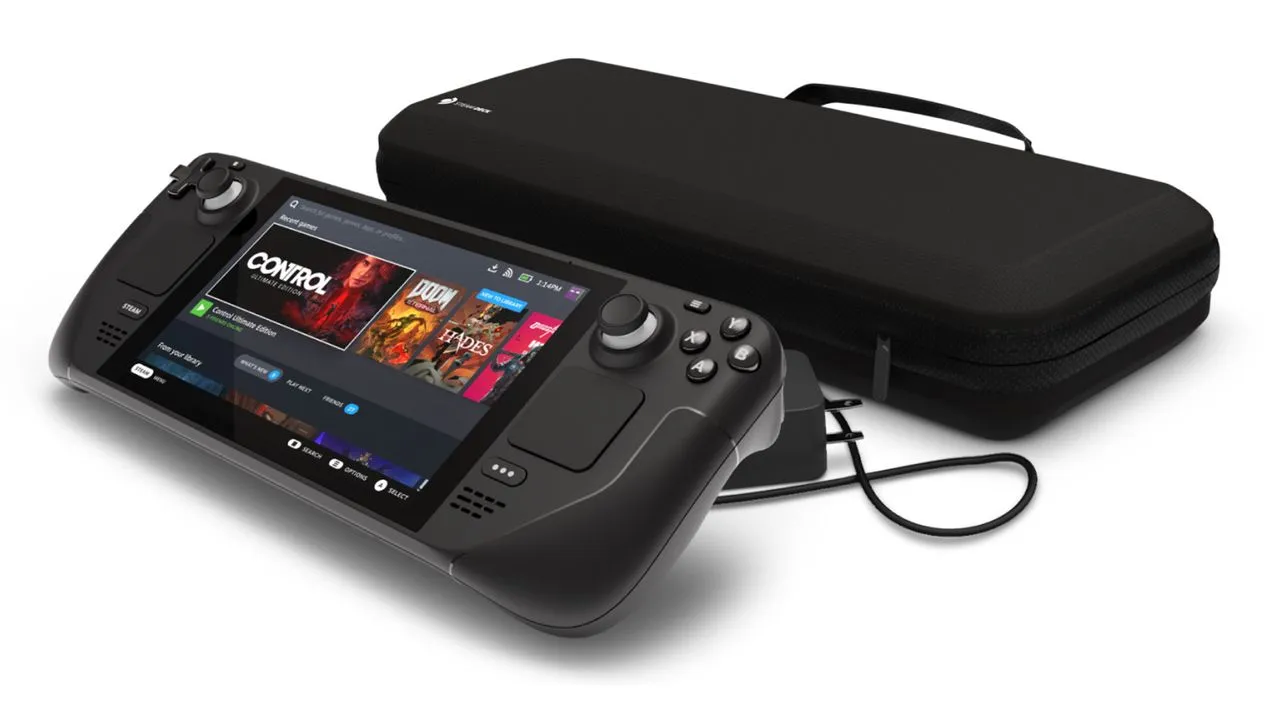
Valve sent a free Steam Deck case after a newborn’s vomit ruined his original
The case wasn’t a product demo. It was customer service that treats retention like a core feature.
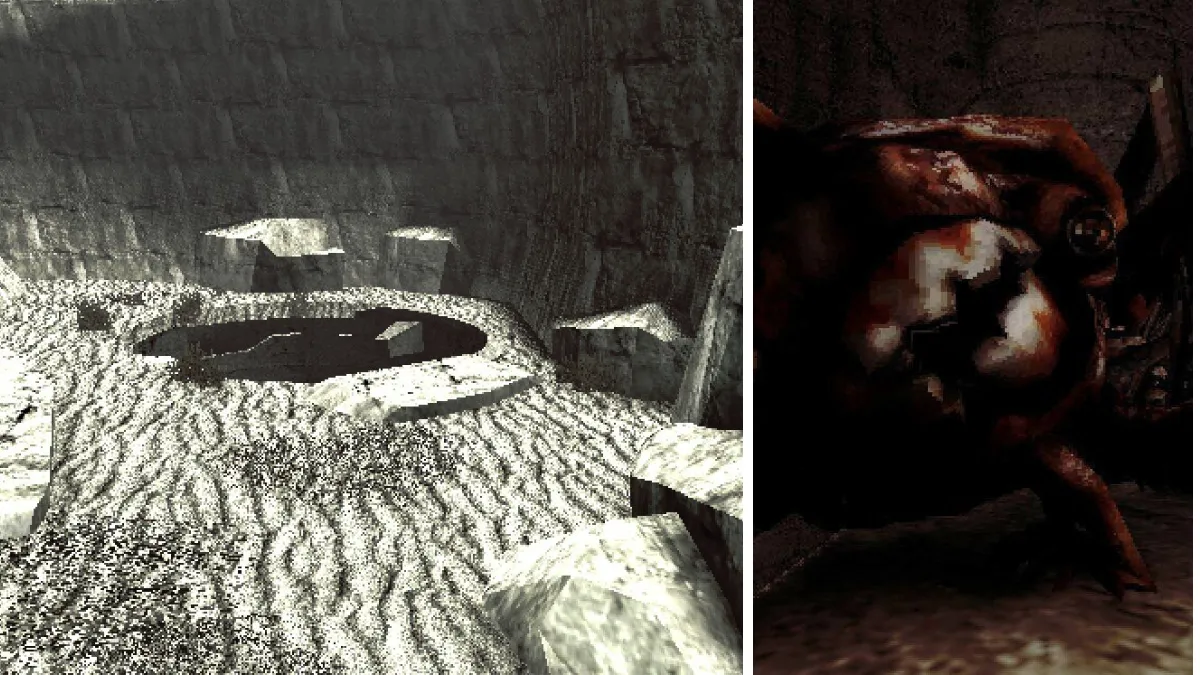
Idols of Ash turns 2 hours of eerie descent into grappling-hook hell
A $3 Steam hit uses a grappling hook to plunge you into a pit, then throws in a centipede panic test.