

Joe Russo says Robert Downey Jr. as Doom and Tony look-alike will “make sense” in Doomsday
The Russo brothers frame Downey Jr.'s double role as a deliberate, Phase Zero reset for Avengers: Doomsday.
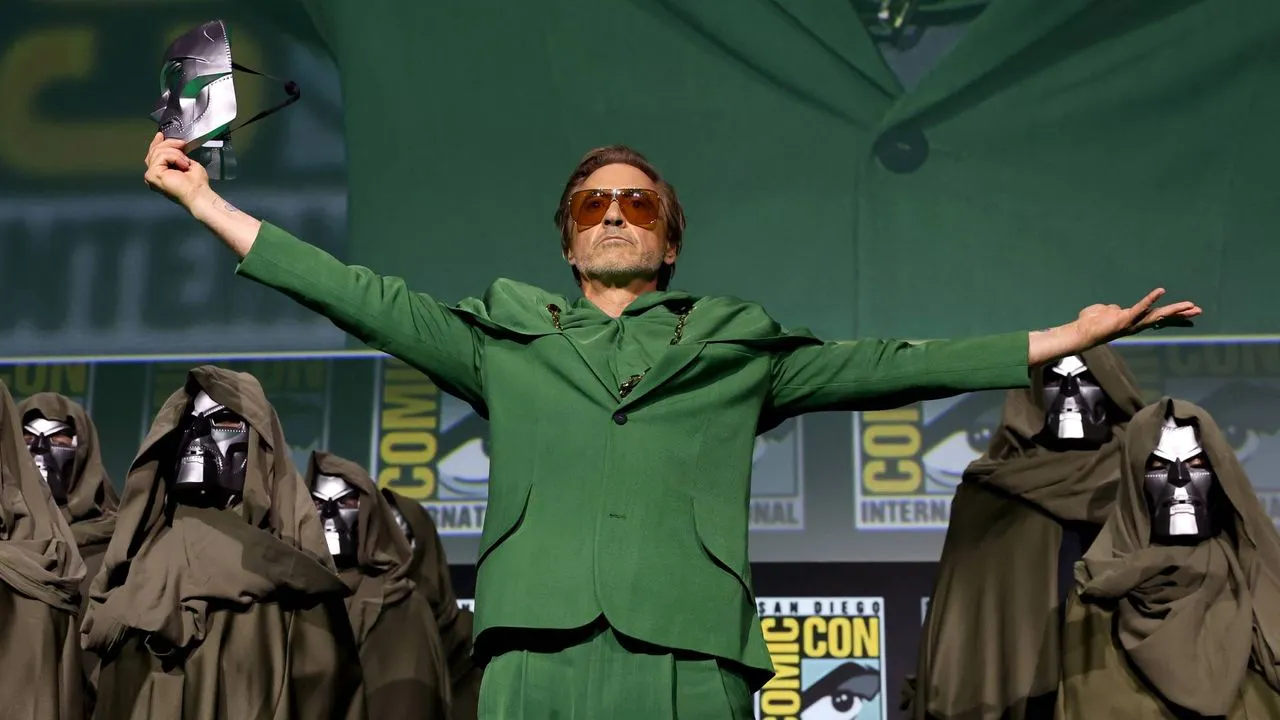
Joe Russo says the resemblance between Robert Downey Jr.'s Doctor Doom and Tony Stark will be explained in Avengers: Doomsday, with Downey returning to the MCU as Doom. The Russo brothers also describe the project as a reset to “phase zero,” with a serialized, franchise-merging strategy that raises stakes for Marvel fans and industry watchers.
Robert Downey Jr. is returning to the MCU, but not as Tony Stark. In Avengers: Doomsday, he plays the fearsome Doctor Doom, and Joe Russo says the uncanny similarity between Doom and Tony is not a random casting coincidence. Russo, speaking to Soundsphere, was asked about Downey Jr. and the idea of “Tony and Doom looking the same,” and he answered, “No better actor in the world than Robert Downey… I’m not going to give away anything. It will all make sense when you watch the movies.”
That “it will all make sense” line matters because it tells you how Marvel is planning to get from fan curiosity to narrative payoff. Russo doubled down with a key framing point: these stories are serialized, and the move to merge franchises into one overarching storyline is, in his words, “a giant experiment.” He called Marvel “unique,” explaining that the company is combining “all these different franchises and combining them into overarching stories.” In other words, the look-alike question is being treated as a story lever, not a gimmick, and the payoff is promised inside the movie experience rather than teased as a standalone mystery.
There is also a business logic hiding inside the fun. When you blend franchises, you are taking risks on audience attention and expectation. Fans bring memory, baggage, and theories, and serialized storytelling either rewards that engagement or punishes it. Russo says Marvel is leaning into that serial nature and then explicitly stress-testing it with something he calls “back to phase zero.” He describes it as “starting over from scratch,” and he emphasizes that Marvel wants to make sure audiences “feel like we’re not leaning on anything from the past.” The implication is clear: instead of asking viewers to track continuity like a spreadsheet, the film and the broader MCU arc are being reset so new viewers can enter, while longtime fans still get the serial satisfaction of “shifting and changing and surprising you.”
Russso’s framing is also where the industry stakes show up. The MCU has built an ecosystem across theaters and screens, and the audience reward is scale plus cohesion. Russo’s comments acknowledge that no one has done this “anything like this before,” at least in the way Marvel is attempting it. For decision-makers watching entertainment portfolios, that is basically a blueprint of how to make a platform out of IP: build repeatable engagement loops (serialized storytelling), then consolidate brands into one overarching narrative. When you do this right, the library becomes more than content. It becomes an asset that can justify new spend, keep attention sticky, and extend franchise value across multiple titles.
At the same time, the Russo brothers signal that the character change itself is a constraint Marvel has to manage. Russo adds, “So get ready for it,” and says he and Robert were earlier talking about the concept of returning to “phase zero.” He also wraps the approach in a promise about direction: “This is going to be a… a complete new direction.” Anthony Russo supports the creative choice by focusing on performance and character uncertainty, saying, “You know what an incredible performer Robert is, and it’s a brand new character that you can’t even guess at.” That last part is important for executive expectations. If audiences cannot predict the character, then Marvel is actively creating a new type of curiosity, one that is designed to survive theory-crafting and still drive opening-week demand.
The cast and the release timeline reinforce the magnitude of what Marvel is trying to do. Along with Downey Jr., the supersized cast includes Chris Evans’s Steve Rogers, Chris Hemsworth's Thor, Anthony Mackie's Captain America, the Thunderbolts, the Fantastic Four, and the Fox-era X-Men. Avengers: Doomsday arrives this December 18. And while the movie is the headline event, Russo’s “phase zero” talk suggests that the scheduling is part of a larger re-platforming exercise. For anyone who thinks of entertainment like a cash flow engine, this is the moment where you either convert attention into long-term franchise momentum, or you lose the next cycle of audience trust.
If you are an executive, investor, or operator in adjacent categories, the second-order lesson is about governance. Serialized universes create a dependency web. Casting decisions, continuity choices, and narrative explanations are not just creative matters. They influence whether audiences feel oriented, whether they stay invested through release gaps, and whether the next title can borrow trust from the last one. Russo’s emphasis on not leaning on the past, while still using the MCU’s established scale, is the tightrope Marvel is trying to walk. The stakes are simple: when Avengers: Doomsday lands, the audience needs to feel both the shock and the coherence. Russo is essentially telling you Marvel believes Doom and Tony looking the same is a clue with a plan, and the plan starts now, “back to phase zero,” on December 18.
This story's Key Insights and Take-aways are locked.
Create a free account to unlock Executive Actions for one credit.
Register to UnlockAlways free for Executives Club members. Join the Club
More in Entertainment
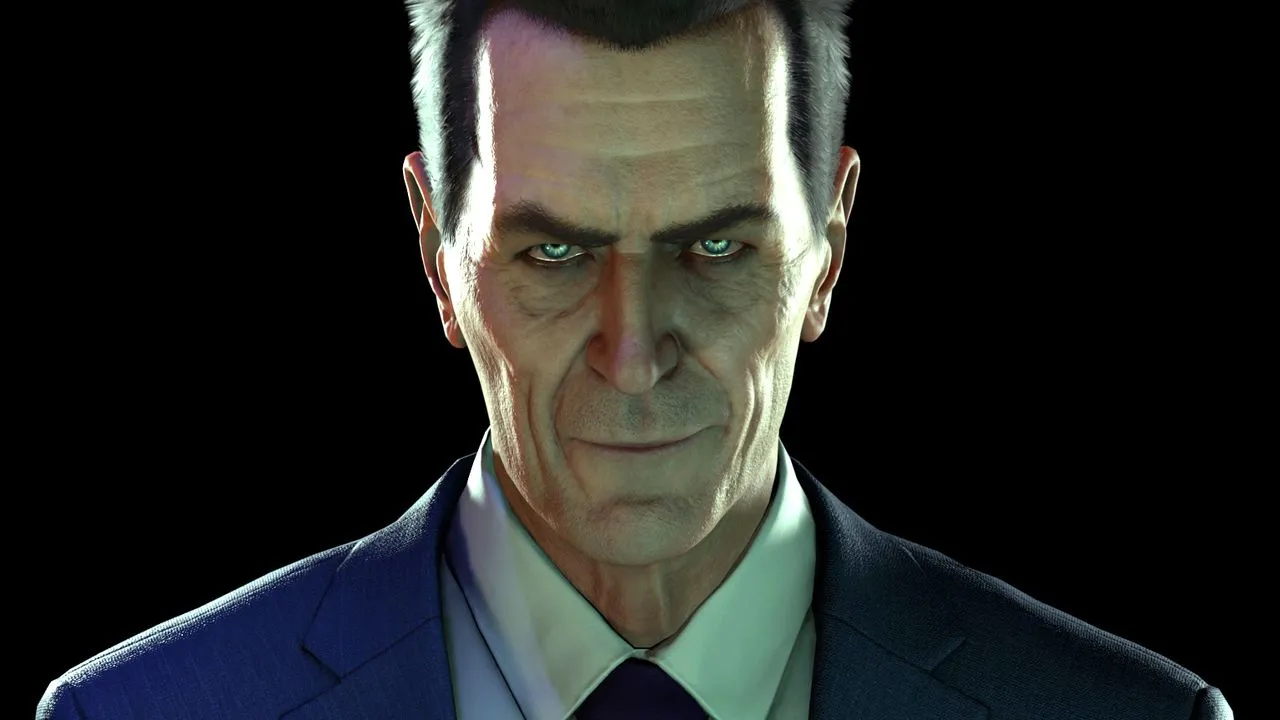
12TB Steam 'teraleak' goes beyond Valve: GTA 3, Mafia 2 prototypes exposed
A 12-terabyte dump of Steam data reveals prototypes and builds of third-party classics like GTA 3 and Mafia 2, plus unreleased Valve content, rewriting game history.

LinkedIn's romance problem: 1 in 4 workers say dating on it is fair game
A new survey shows a quarter of U.S. employees treat the professional network as fair game for romance, even as LinkedIn bans it and removes hundreds of thousands of offending posts.
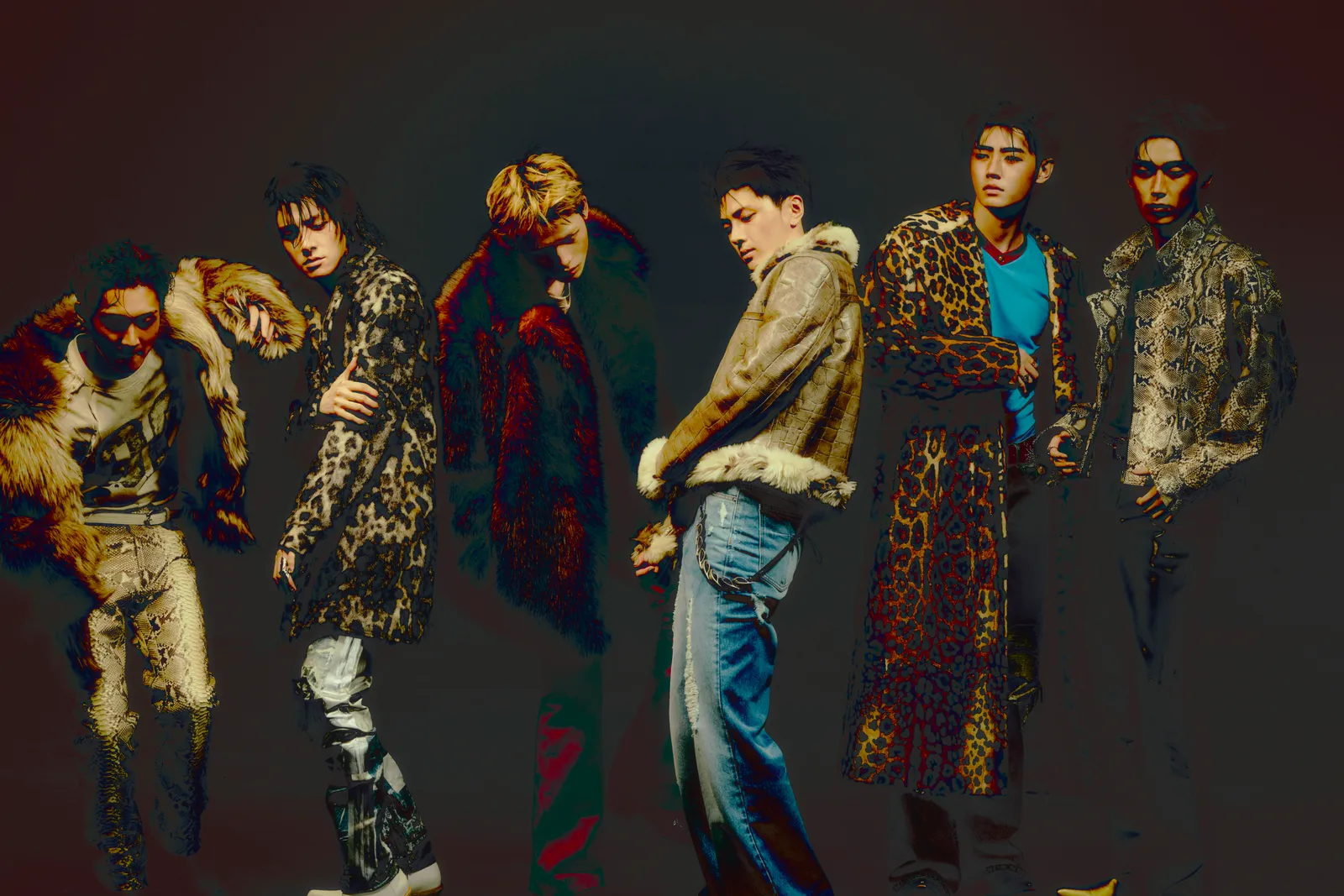
Enhypen's first No. 1 album breaks K-pop's Billboard 200 streak
The K-pop group's 98,000-unit debut tops the chart while Dolly Parton's catalog reentry shows how death reshapes streaming.