
June Diane Raphael refuses the “either/or” box, pitching a pilot as AI antidote
The Elle star says typecasting constrains comedy, then outlines a new pilot meant to push back on AI.
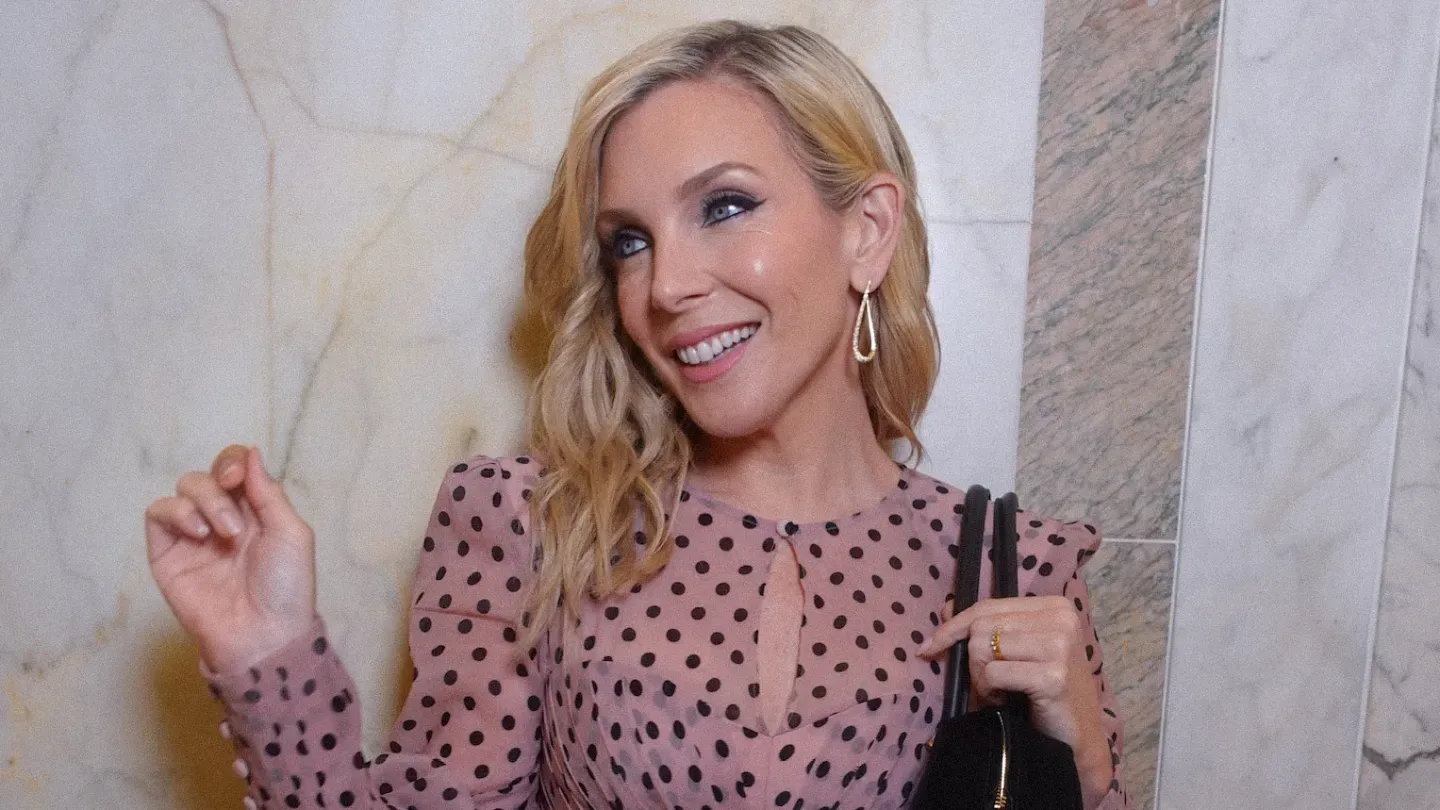
June Diane Raphael, known for Elle, talks to The Hollywood Reporter about feeling blocked from improv by reference gaps and “typecast” expectations. She is also developing a new pilot she describes as an antidote to AI.
June Diane Raphael has a recurring fear that will sound familiar to anyone who has tried to build a creative career while constantly auditing how the audience might label them. She told The Hollywood Reporter, “I used to feel like I couldn't do improv because I didn't know enough 'Star Wars' references and I didn't want to wear sneakers onstage.” That sentence is funny, but it is also revealing: it shows how quickly “creative freedom” can turn into self-censorship when you believe you are supposed to perform a specific kind of identity.
In the same conversation, Raphael says she is focused on a new pilot she is developing that she describes as “an antidote to AI.” That pivot matters because it frames her comedy work as more than jokes. It positions her as someone reacting to a changing entertainment landscape, where AI is increasingly used to generate content, accelerate production, and shape what gets greenlit. For executives, producers, and investors who are trying to make strategy decisions in this moment, the subtext is clear: if the industry keeps outsourcing originality to models and templates, the human creators most concerned with craft and voice will push back by building projects designed to feel unmistakably human.
Raphael’s “feminine and funny” framing is basically an old Hollywood trap wearing new clothes. The trap goes like this: comedy is treated as a genre that requires a certain look, a certain cadence, and a certain cultural literacy, while “feminine” is treated as a category that is somehow less compatible with sharpness. Raphael’s story about feeling unqualified for improv because she did not know enough “Star Wars” references, and because she did not want to wear sneakers onstage, points to how much the gatekeeping can be social, not just technical. Improv scenes are often treated like meritocracies, but the entry ticket can be invisible: what you reference, how you dress, and whether you match the room’s assumed baseline.
For decision-makers, that has a direct operational meaning. When creators internalize those invisible rules, you get fewer voices. Fewer voices means fewer creative options at the moment when audiences are most likely to demand novelty. And in 2026, novelty is not just a creative preference. It is a competitive requirement because production pipelines are being reshaped by AI tools that can lower costs and speed up ideation. Raphael’s “antidote to AI” pilot is therefore less about refusing technology in principle and more about insisting on something that technology struggles to replicate: a distinct sensibility shaped by lived experience, comedic timing, and the specific friction of being stereotyped.
Typecasting is the other lever she calls out in her conversation with The Hollywood Reporter. While the source text does not spell out every detail of what she experiences, the core point stands: being typecast limits range. It can determine who offers you roles, which writers you end up working with, and which scripts you are “believed” to be right for. The business consequence is that typecasting does not only affect an individual career, it affects slate building. A company that repeatedly books the same flavor of performer can get predictable results, and predictable results are a risk when the market is searching for differentiation.
Now layer on AI. When studios explore AI-assisted writing or production, the easiest path is often the one that looks like prior wins. If the company is already leaning into typecasting, AI can amplify the pattern by outputting content that matches what the system thinks will perform. That is why Raphael’s positioning as an antidote is strategically interesting for boards and exec teams: it implies an alternative thesis, that the next wave of audiences will reward friction, originality, and human specificity, not just efficiency.
This is where the entertainment economics collide with creative identity. In a world where AI can generate options cheaply, the value shifts from generating “more” to finding “better,” and from producing faster to producing with intent. Raphael’s remarks suggest she is aiming her next work at that intent. The anecdote about “Star Wars” references and sneakers is a reminder that comedy is not a generic output. It is a social performance, calibrated to context, and often dependent on how a person navigates belonging. If you remove the human calibration and replace it with machine scale, you risk losing the very thing audiences feel.
So what should peers in similar roles take from this? Raphael’s story is a micro-case study of two pressures: the pressure to fit a label, and the pressure to conform to a production model. Her approach, as described in The Hollywood Reporter, is to treat both pressures as prompts for creation, not constraints. For executives watching their slate strategies in the AI era, the stake is simple: if you want projects that feel like they come from a real point of view, you have to protect the people who worry about being stereotyped, not just the people who worry about being optimized.
This story's Key Insights and Take-aways are locked.
Create a free account to unlock Executive Actions for one credit.
Register to UnlockAlways free for Executives Club members. Join the Club
More in Entertainment

Russell Brand's accuser 'bewildered and confused' as he denies 7 sex charges
The criminal case against the comedian is a live test of how media companies manage talent risk when serious allegations go public.

'It's a Magic Trick': Ballet Experts Say Rosalía's SNL Pose Is Impossible
Three ballet experts tell Rolling Stone Rosalía's gravity-defying SNL stillness shouldn't be possible - and why the debate is now part of the show.

Activision CMO: GTA 6 Will Boost Call of Duty, Not Bury It
Activision's top marketer says Rockstar's blockbuster will drive players back to consoles and into Modern Warfare 4, even as the company admits its recent strategy failed.