

Kalanick's $1.7B robot startup snags Meta's smart-glasses AI lead
Vikas Chandra's move to Atoms signals the next front in AI: foundation models for machines that work in the real world.
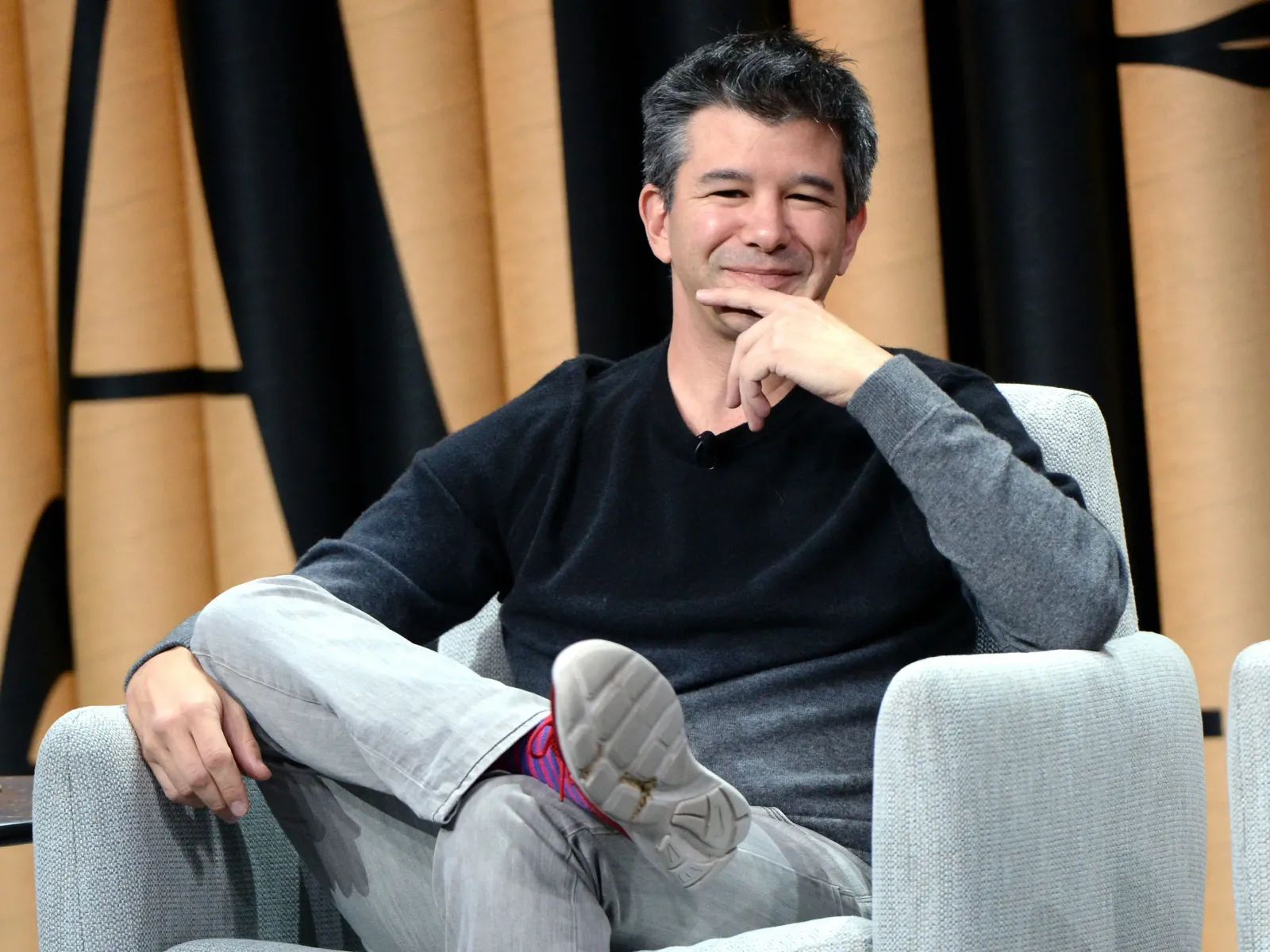
Vikas Chandra, a longtime Meta AI executive who led smart-glasses AI, is joining Travis Kalanick's robotics startup Atoms as vice president of AI. The hire deepens Atoms' post-$1.7B build-out and signals a strategic push into AI systems that operate in the physical world.
Travis Kalanick's robotics startup Atoms has landed a high-profile AI leader: Vikas Chandra, the longtime Meta executive who led AI work for the company's smart glasses, is joining as vice president of AI. Chandra announced the move Monday on X, positioning himself at the center of Kalanick's $1.7B bet to "digitize the physical world." The hire is the latest signal that Atoms is moving from stealth mode to a serious, well-funded contender in physical-world AI.
At Atoms, Chandra said he will build "foundation models for the physical world" - AI systems designed to help machines understand and act in real-world environments. In his own words, the challenge is a step up from his previous work: "For 8 years my job was making models small enough and fast enough to live on AI glasses. The physical world is a harder version of the same problem." That framing matters because it connects the efficiency constraints of on-device AI to the even tougher constraints of robotics, where latency, power, and reliability are matters of safety, not just convenience.
The hire lands as Atoms emerges from stealth with serious institutional backing. Earlier this summer, the company raised $1.7 billion in a round led by Andreessen Horowitz. Kalanick, who co-founded Uber in 2009 but resigned under investor pressure in 2017, publicly unveiled Atoms earlier this year after years operating in the shadows. Atoms absorbed his ghost-kitchen venture, CloudKitchens, as a subsidiary, giving the startup an existing operational footprint that can be repurposed for robotics and automation.
Kalanick described the raise as "a bit of unfinished business" and "fuel to complete the bits-to-atoms story arc we started at Uber, continued at CloudKitchens, and will now finish at Atoms." The startup is building robots for industries including food, mining, and transportation, though it has revealed few details about its actual products. The broad sector roadmap suggests Atoms is targeting environments where physical labor is expensive, dangerous, or hard to scale: kitchens, mines, and logistics corridors.
Chandra is not the only prominent name joining the fold. Last month, former Uber finance chief Gautam Gupta signed on as Atoms' CFO. Earlier this year, Atoms acquired autonomous-mining startup Pronto, which is run by former Uber self-driving engineer Anthony Levandowski. Several former Uber employees also work at Atoms, according to LinkedIn. The pattern is clear: Kalanick is reassembling a familiar team around a new mission, combining operational experience from Uber's hypergrowth years with cutting-edge AI and autonomous-systems expertise.
The significance extends beyond one startup. Foundation models for the physical world are the same class of AI that powers autonomous vehicles, warehouse robots, and industrial automation. Chandra's background making models efficient enough to run on glasses suggests he will tackle the latency, power, and size constraints that plague real-time robotics. That is a very different engineering problem from cloud-based chatbots, which can rely on massive data centers and near-unlimited compute. In the physical world, the model must reason and act in milliseconds, often on limited onboard hardware.
The move also intensifies competition for AI talent in physical-world robotics, a field that has attracted billions in venture capital. By pairing Chandra with Gupta and Levandowski, Atoms is signaling it intends to be a serious player in the race to make machines that perceive, decide, and act in messy, unstructured environments. For decision-makers watching the space, the message is that the prizes in AI are no longer confined to screens; they are moving into the physical infrastructure of work and commerce.
Neither Atoms nor Chandra responded to requests for comment. But the public announcement alone is enough to set expectations. Kalanick's second act is no longer a stealth project; it is a funded, staffed, and increasingly visible challenge to the idea that the physical world is hard for AI to conquer. For peers in similar roles, the lesson is that the talent war for embodied AI is only beginning, and the teams that win will combine deep research credibility with the operational discipline to deploy at scale.
This story's Key Insights and Take-aways are locked.
Create a free account to unlock Executive Actions for one credit.
Register to UnlockAlways free for Executives Club members. Join the Club
More in Business

Royal Caribbean just spent $3B to own half of Sandals
The cruise giant is buying a 50% stake in the all-inclusive resort chain for $3 billion, a bet that land-based vacations are the next growth engine.

Paramount's Ellison: Merger Clearance Done, WBD Deal by Oct 1
David Ellison says the Paramount-WBD merger has full clearance after settling with state AGs, clearing the path for an October 1 close.
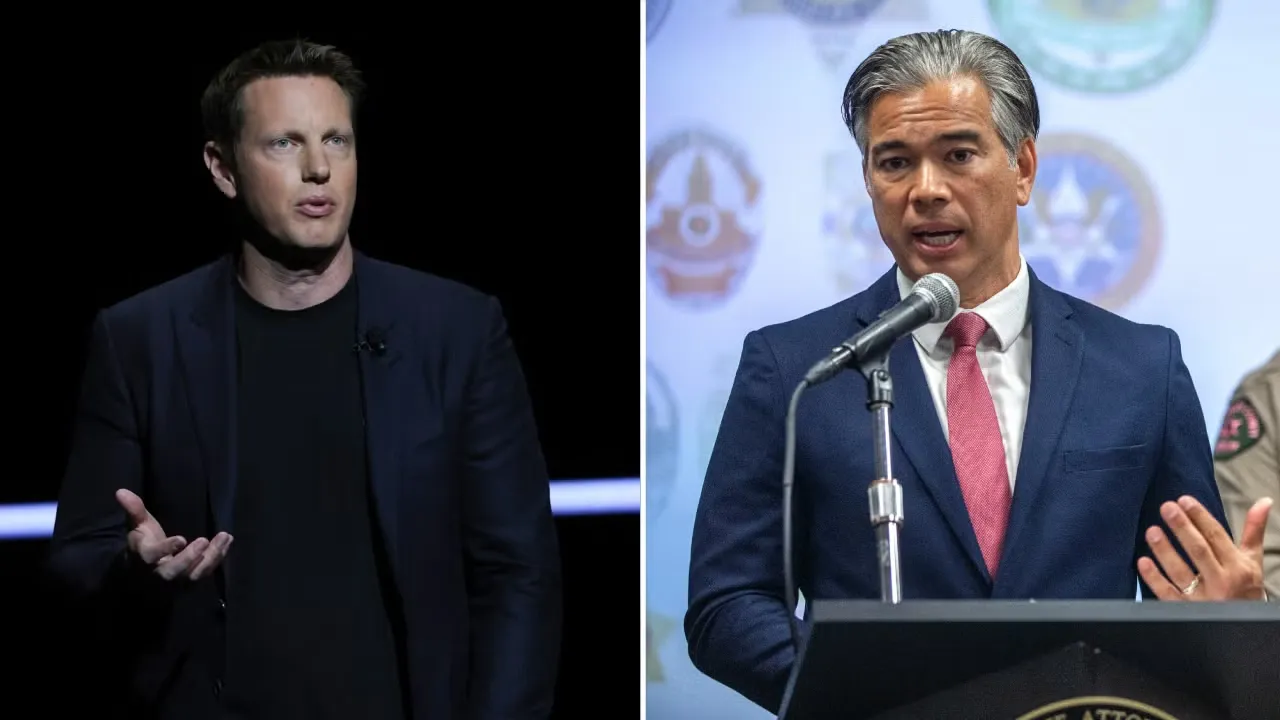
Paramount settles with 12 states, $110B Warner merger clears final hurdle
David Ellison's studio avoids a March trial and a $7M-a-day ticking fee by settling with state AGs over local job losses.