

Kansas City spent $700M to prove soccer can conquer the World Cup spotlight
A decade of infrastructure, no transit, and a Chicago bid collapse left KC to take the shot and defend it on the world stage.
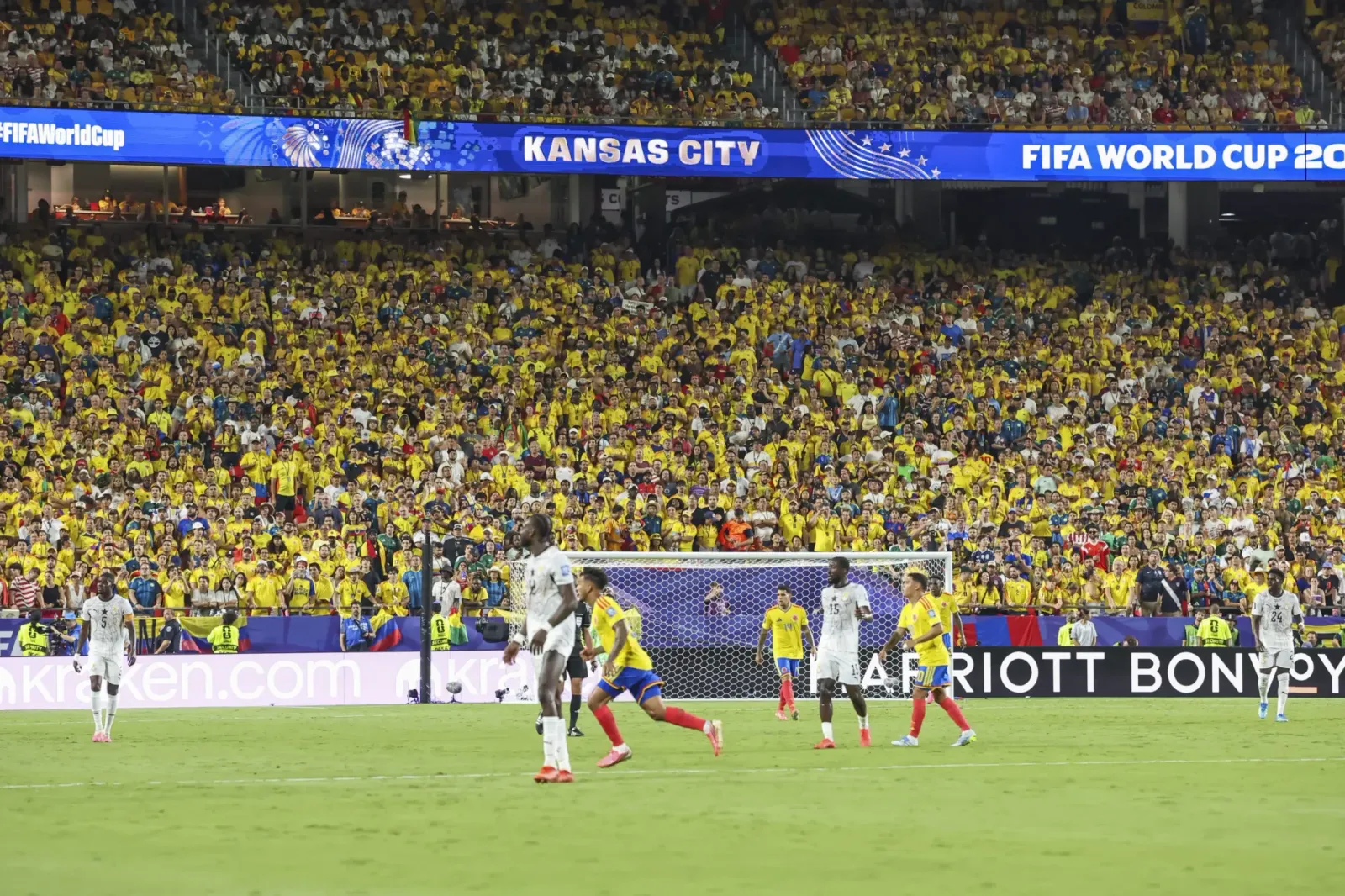
Kansas City’s KC2026 bid and World Cup preparations are built on more than $700 million invested over 15 years in soccer and sports infrastructure, from Children’s Mercy Park to CPKC Stadium. For decision-makers, the implication is clear: the “mid-sized market” is turning stadium-ready capital and operational muscle into global leverage.
When FIFA organizers arrived in Kansas City to evaluate its World Cup bid, the local team didn’t just make plans. They reportedly mapped the delegation’s routes to avoid traffic, stationed volunteers at the airport, and pulled roughly two dozen children from Kansas City’s Guadalupe Centers out of school to scrimmage outside the downtown Loews Kansas City Hotel at 11 a.m. where FIFA officials were staying. The point was simple, but it also tells you everything about the strategy: KC wanted them to see that soccer is not a side hobby in the heartland, it is taken seriously enough to build a show for it.
That seriousness has a price tag attached. Kansas City has invested $700 million over more than a decade to create the soccer and sports infrastructure now in public view, and the city is using the tournament underway to argue that its title should move from “Soccer Capital of America” to “Soccer Capital of the World.” FIFA’s spotlight is landing on a Midwestern city that most international visitors had never considered visiting, and KC is trying to convert attention into a durable reputation. And yes, that branded confidence is real: “Soccer Capital of America” is a registered trademark owned by MLS club Sporting Kansas City.
Part of why the KC bid became possible has less to do with marketing and more to do with bid politics. Chicago was “supposed to be here” instead. The third-largest U.S. city had hosted five World Cup matches in 1994 and had the stadium, infrastructure, and name recognition. But when then-Mayor Rahm Emanuel walked away from the bid, accusing FIFA of excessive demands, including waiving taxes, absorbing all security costs, and signing contracts FIFA could amend at any time with no indemnity protections for the city, it left an opening. Tim Cowden, president and CEO of the Kansas City Area Development Council, told Fortune he appreciated Chicago not pursuing it because it “opened up an opportunity for us.” KC’s leadership frames this as seizing a window, not chasing a novelty.
From an economics standpoint, the puzzle is understandable. FIFA’s contract structure routes an estimated $8.9 billion to FIFA while leaving U.S. host cities facing a collective shortfall of upwards of $250 million. That means cities on the map are asked to shoulder risk for returns that are not fully aligned, which makes the math hard to justify for places that already have options. KC’s counterpoint, as described in the reporting, is that its calculation started earlier than the World Cup. The bid process began in earnest around 2015 and 2016, but the groundwork was laid well before. Kathy Nelson, then leading the Kansas City Sports Commission, spent years making the case to people, including trips to the state capitol where she reportedly wasn’t sure anyone would believe her. Her later view, amid the tournament’s momentum, is a city ready for prime time.
That readiness is not vague. It’s anchored in specific facilities and investments: Children’s Mercy Park, home of Sporting KC, opened in 2011 as one of the premier soccer-specific stadiums in MLS. CPKC Stadium, which opened in 2024, is described as the first purpose-built professional women’s soccer stadium in the world. When the Netherlands chose Kansas City for their base camp, the Kansas City Current reportedly spent an additional $52 million to build a second facility and a 2,000-seat stadium next door, so its NWSL squad could keep training while the Dutch were in residence. And beyond the pitch, Populous, the Kansas City-based sports architecture firm, designed at least part of 13 of the 16 World Cup stadiums in North America. The World Cup is landing in KC, but the city is also positioning itself as a producer of the infrastructure others will try to replicate.
If you zoom out, KC’s pitch is also about operational competence, because this tournament comes with transport constraints most host cities do not face. Running the World Cup in a city with no existing public transit to its stadium, across two states, 18 counties, and 50-plus communities, with four base camp teams generating up to 20 simultaneous vehicle escort operations per day, creates a logistics problem. The reporting describes KC creating a Joint Operations Center staffed with law enforcement from multiple jurisdictions, transportation coordinators, health and medical personnel, and communications teams. Lindsay Douglas, KC2026’s chief operations officer, told Fortune the center was essential for alignment on safety and security, transportation, communication, and overall visibility from the organization. In other words: KC’s advantage is not just stadiums, it is execution under friction.
There is also a cultural flywheel executives tend to underestimate: success begets attention, which begets investment, which begets more success. The article notes that in the last decade, every major professional franchise in the city has won a championship. Nelson keeps a quote taped to her monitor: “Dramatic ideas get dramatic results.” She argues KC is a mid-sized market that doesn’t always appreciate the impact of big ideas, but can still deliver outcomes. Even Matt Besler, a former Sporting KC defender who is now a KC2026 ambassador, connects the World Cup to generational impact. He recalls the 1994 tournament, the last time the U.S. hosted, when the nearest matches were nine hours away in Dallas. Now he has kids around that age watching their first World Cup in their own city, describing soccer as something passed down until it becomes part of your family and identity.
For decision-makers, the strategic stakes are straightforward: KC is trying to prove that infrastructure-first investing, paired with heavy operational planning, can turn a “mid-sized market” into a global platform even when national contract incentives and logistics realities are stacked differently. If Kansas City pulls this off, it is not just a World Cup story. It is a template for how cities and boards can leverage long-horizon capital, reduce the risk of being ignored, and make the world show up on purpose.
This story's Key Insights and Take-aways are locked.
Create a free account to unlock Executive Actions for one credit.
Register to UnlockAlways free for Executives Club members. Join the Club
More in Business

SK Hynix opens at $170, raises $26.5B, and tops foreign IPO records
In Friday's Wall Street debut, SK Hynix turns AI RAM demand into a $26.5B fundraising moment that rewrites comps.
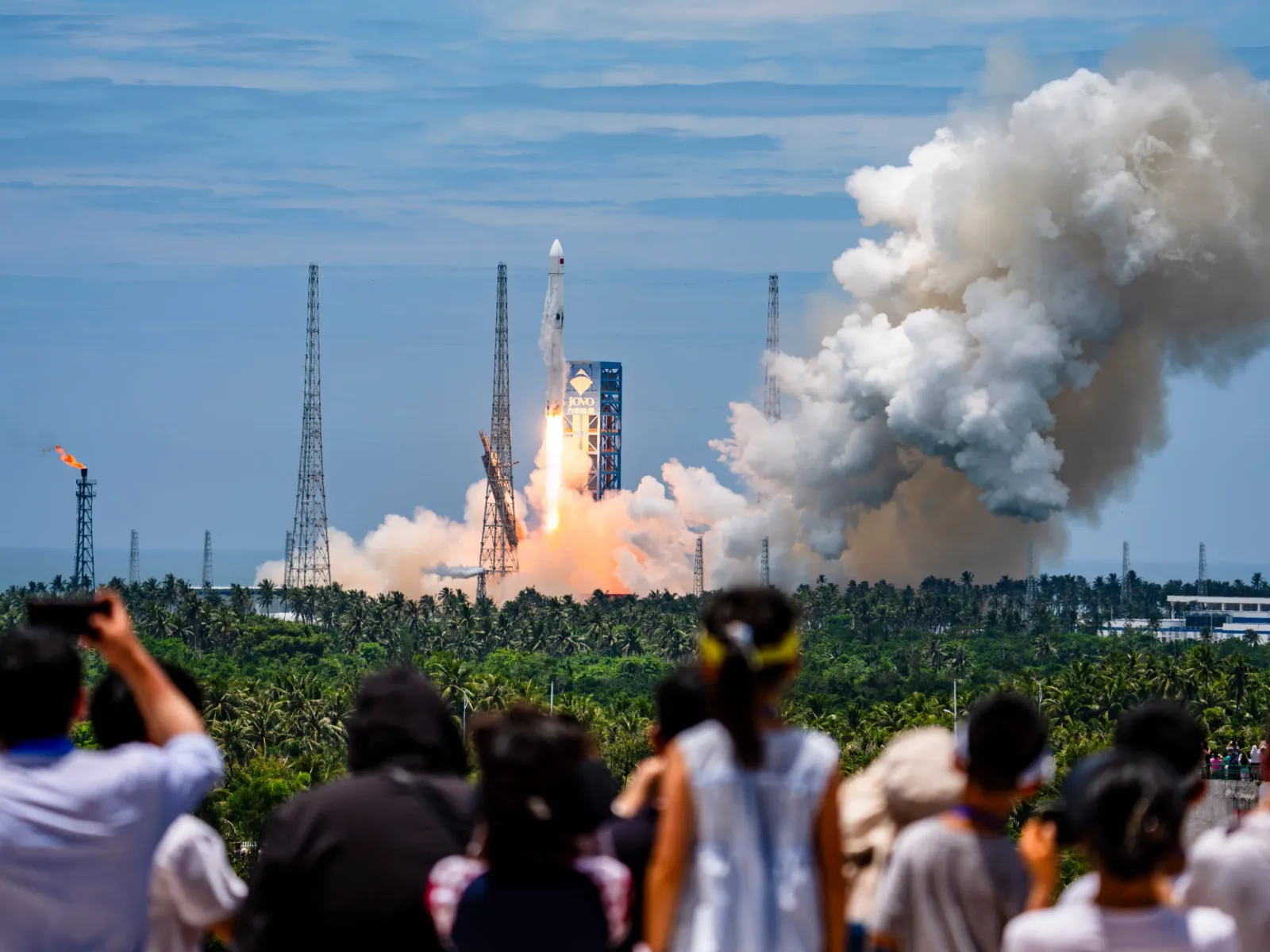
China lands a reusable Long March booster, a first that matches SpaceX and Blue Origin
A barge landing and net-based recovery move China from theory to proof, reshaping the reusability race and satellite ambitions.

AstraZeneca $27B wipeout as Wainua late trial misses cardiovascular target
A failed late-stage heart study triggered a swift market punishment, forcing investors and boards to reset timelines and risk.