

Kazakh President calls for Ukraine war freeze while speaking beside Putin
A plea for a ceasefire freeze in Ukraine raises new questions for Central Asian diplomacy and energy security.
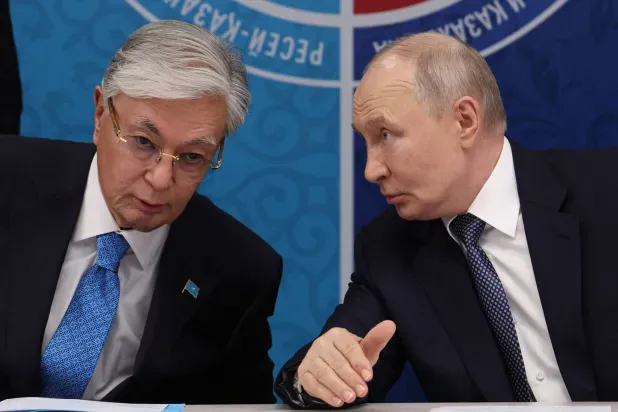
Kazakh President Kassym-Jomart Tokayev called for a freeze of the Ukraine war while speaking alongside Vladimir Putin. The move adds pressure on regional players managing relations with major powers as the conflict shapes trade, sanctions risk, and energy flows.
Kazakh President Kassym-Jomart Tokayev used a public moment alongside Vladimir Putin to call for a “freeze” of the Ukraine war, according to Asharq Al-Awsat. That is the kind of line that sounds abstract, but it lands like a policy signal: freeze usually implies a pause rather than a full settlement, and it immediately affects how governments and markets plan for what comes next.
The timing matters. By making the case while speaking next to Putin, Tokayev effectively put Kazakhstan on the spectrum of states trying to shape how the conflict is framed internationally. This is not just rhetoric. When a president chooses his words in a high-visibility setting with a key belligerent leader, it becomes part of the diplomatic choreography, and it can influence how other capitals interpret their own options.
For decision-makers in the region, a war freeze is not a single switch you can flip. It changes expectations about logistics, insurance, and cross-border legal risk. Even if kinetic fighting slows, the sanctions architecture and enforcement intensity typically do not disappear overnight. In practice, companies still have to plan for compliance, counterpart risk, and documentation burdens. In Central Asia, that is especially relevant because many economies are deeply tied to energy and commodity trade routes that cross multiple regulatory jurisdictions.
Kazakhstan’s role also sits in a tougher neighborhood than headlines often show. Central Asia has a history of balancing relationships among larger powers to protect economic stability. Kazakhstan is not alone here. Other states in the region also try to maintain workable ties with Russia while managing relationships with Europe, the United States, China, and regional partners. A call for freezing the Ukraine war can be read as an attempt to reduce uncertainty, but it can also raise questions about alignment during a period when neutrality is constantly stress-tested.
There is another layer for boards and executives to consider: the reputational and contractual risk of “diplomatic signaling.” In an era where statements by heads of state can quickly become talking points in regulatory guidance, third-party due diligence, and reputational reviews, executives are forced to treat politics as part of enterprise risk management. A freeze call can be interpreted differently depending on who is listening. For some stakeholders, it suggests stabilization. For others, it looks like support for a pause that does not address core security concerns. That split perception can show up in government procurement scrutiny, bank risk models, or the way partners assess sanction exposure.
Then there is the capital markets angle. When war dynamics shift, investors pay attention to energy supply assumptions, shipping insurance costs, and the broader macro risk premium. Even without new data in this specific report beyond Tokayev’s call for a freeze, the underlying mechanism is familiar: markets reprice uncertainty fast. If diplomacy moves toward a pause, executives may see an opportunity to renegotiate terms, extend payment windows, or secure financing. If diplomacy instead hardens positions, the risk premium stays elevated and cost of capital does not cool as quickly as businesses want.
For other executives and policymakers looking at Kazakhstan, the strategic stakes are clear. A “freeze” is often discussed as a path to negotiation, but it is also a way to temporarily reduce pressure without resolving the underlying disputes. That means stakeholders need to ask whether a pause would produce enough clarity for legal processes and trade enforcement to normalize. If not, companies can get stuck in limbo, planning for “normal” while still operating under exceptional constraints. In other words, the freeze talk may change headlines, but it may not instantly change the risk map.
Tokayev’s choice to make the call while speaking alongside Putin underscores how diplomacy is increasingly intertwined with economic governance. For boards, that means war-related messaging is no longer just geopolitics. It becomes a practical input into compliance planning, supplier management, and stakeholder engagement strategy. And for countries in the region, it becomes a test of whether balancing acts can survive a world where major conflicts keep rewriting the rules of trade and finance.
This story's Key Insights and Take-aways are locked.
Create a free account to unlock Executive Actions for one credit.
Register to UnlockAlways free for Executives Club members. Join the Club
More in Politics
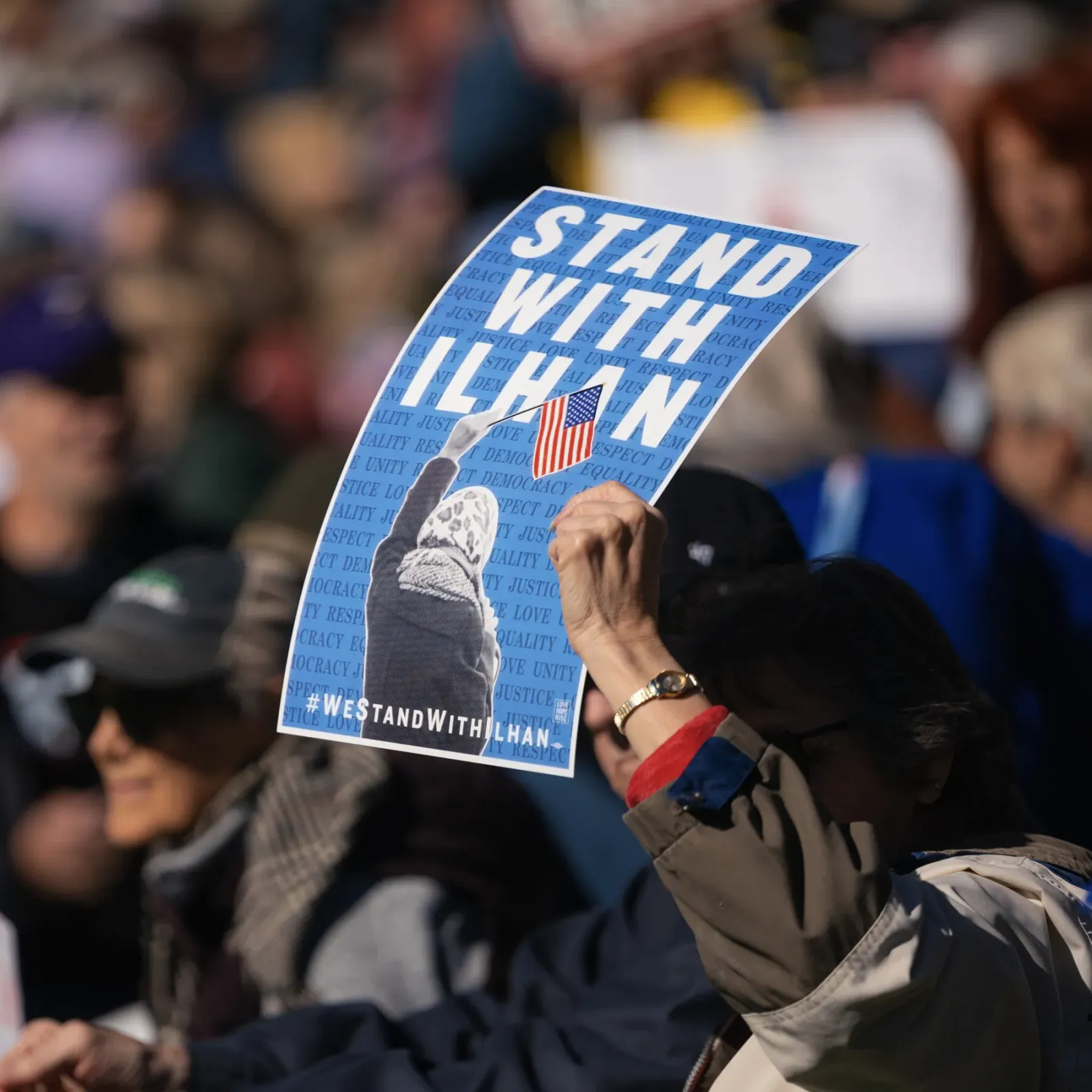
Obama Defends Ilhan Omar After Agents Search Her Home in Trump Inquiry
The former president's intervention raises the stakes in a federal probe into immigration paperwork that has put a prominent progressive lawmaker in the crosshairs.
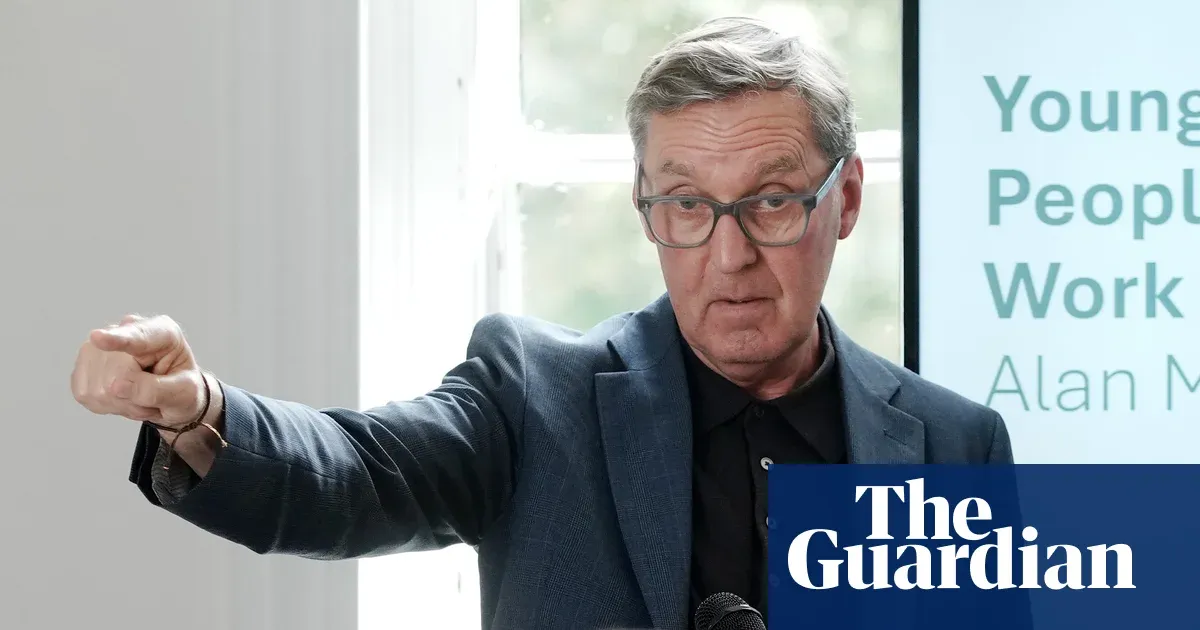
Blair-era minister: cut welfare to fund youth job support
Alan Milburn's call for welfare cuts to fund employment support opens a Labour fight over benefits and the Neet crisis.
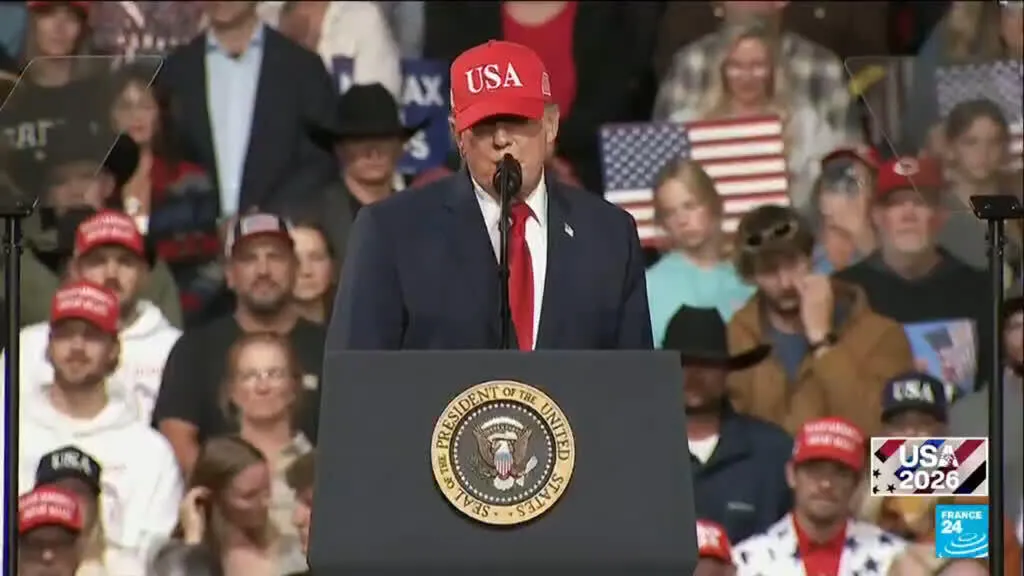
Hot September CPI: energy costs surge, voters feel the squeeze before midterms
The latest inflation print lands as Trump campaigns for GOP control of Congress, putting cost-of-living worries at the center of the midterm fight.