

Serbia reports record violence against LGBTQ+ people as attacks broaden beyond individuals
Documented cases are at their highest, signaling a wider societal shift that leaders should treat as a risk.
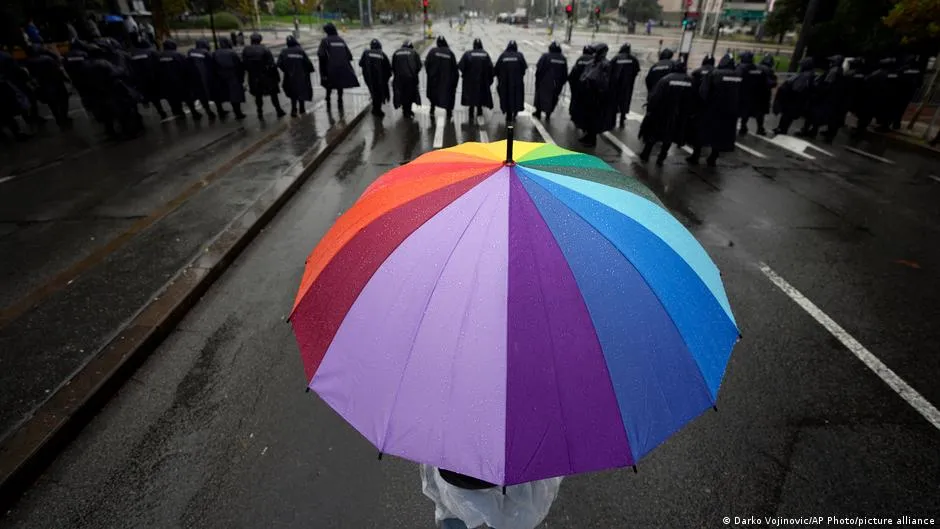
Serbia's LGBTQ+ community is facing an
Documented cases of violence against LGBTQ+ people in Serbia have never been higher. The attacks are not isolated incidents. They are part of a larger shift in society targeting marginalized people, according to the reporting.
For decision-makers, the key point is the escalation signal. When “never been higher” applies to documented violence, it usually means more than a spike. It can reflect a pattern that is gaining momentum, spreading beyond a small circle of perpetrators, and becoming normalized enough that reporting and documentation keep surfacing at a higher rate.
To understand why this matters, zoom out to how violence risk shows up in modern organizations. Even if the violence is occurring in public life, it does not stay there. It changes behavior: it affects where people feel safe going, whether employees can show up as themselves, and how communities engage with institutions. That has second-order effects on labor participation, attendance at events, and reputational risk for businesses, investors, and public bodies that operate in the region.
There is also a governance angle. Societies do not “accidentally” shift toward targeting marginalized people. When a wave like this emerges, it tends to reveal gaps in protection, uneven enforcement, and failures in how authorities respond. For boards and executives, that means the real question is not only whether violence is happening, but whether systems that should deter it are working: investigation capacity, complaint handling, and the broader political and legal climate that shapes whether aggressors think they will be stopped.
The reporting frames these attacks as part of a larger societal targeting of marginalized people. That phrasing matters. It suggests the violence is connected to a broader cultural and social current, not merely isolated acts. When violence is linked to social targeting, the threat can harden. Communities may retreat from visibility. Others may be emboldened, seeing that harassment and violence are not being contained.
For companies, this can translate into practical risk. Human rights concerns are increasingly treated as enterprise risks, not public relations issues. Employers may face pressures from employees and customers. Event partners may re-evaluate sponsorships and locations. Supply chain actors may be affected if labor is disrupted or if people decide to disengage due to safety fears.
For investors, the same logic applies. “Never been higher” is not just a moral statement. It is a data point about operating conditions in a specific geography. Capital is increasingly sensitive to regulatory scrutiny, litigation risk, and reputational fallout. Even when direct legal exposure is not immediate, a documented violence trend can raise the odds of future regulatory attention, regulatory enforcement actions, or consumer backlash that affects revenue.
Finally, the strategic stakes for peers are obvious. Serbia's LGBTQ+ community is facing a grim reality, and the reporting indicates the attacks are part of a wider societal shift targeting marginalized people. Leaders in any country where social targeting is rising should treat similar signals seriously and early, because once violence becomes patterned, it is harder to unwind. The executive lesson is straightforward: risk management that stops at property damage misses the bigger picture. Safety, inclusion, and enforcement credibility are now core business variables.
This story's Key Insights and Take-aways are locked.
Create a free account to unlock Executive Actions for one credit.
Register to UnlockAlways free for Executives Club members. Join the Club
More in Politics
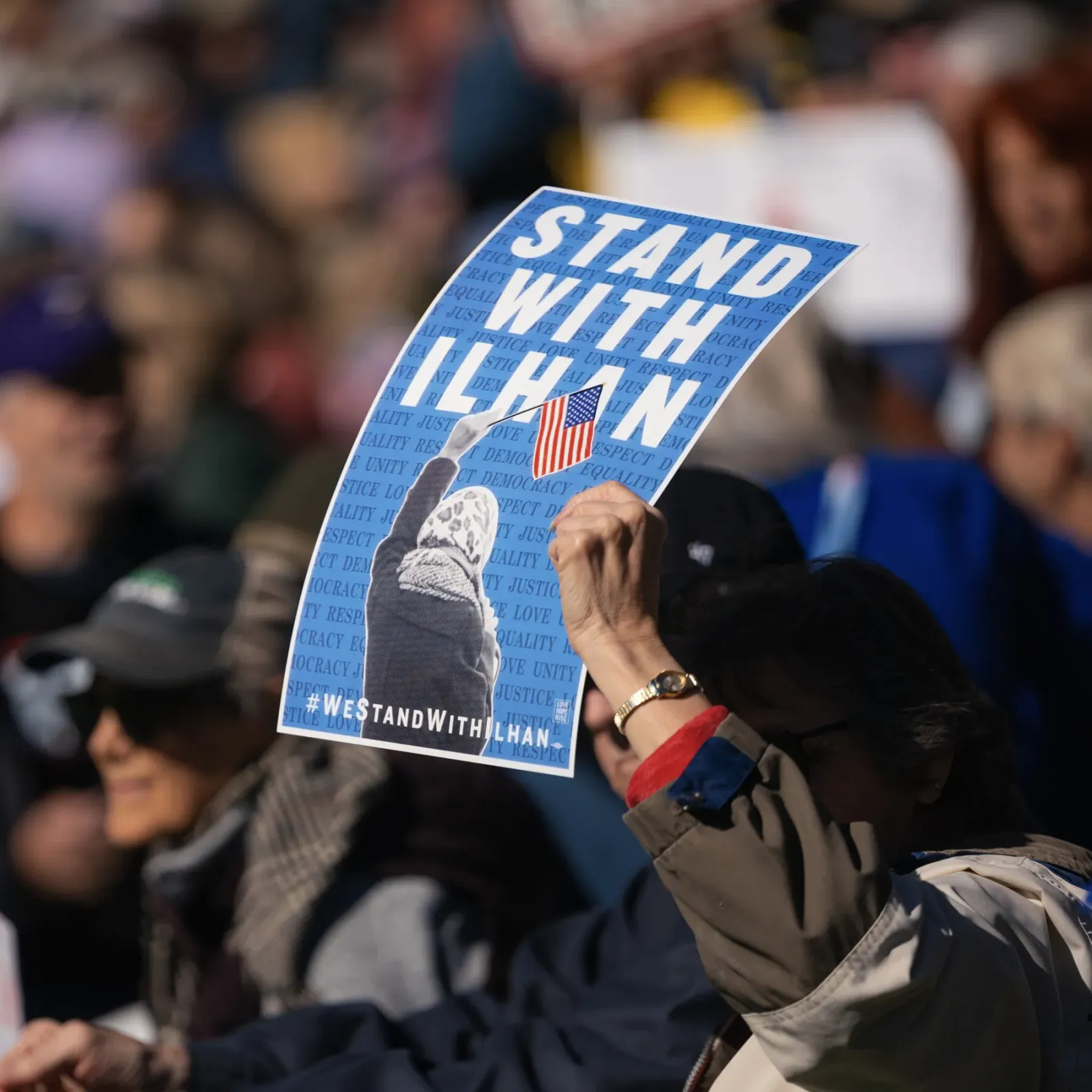
Obama Defends Ilhan Omar After Agents Search Her Home in Trump Inquiry
The former president's intervention raises the stakes in a federal probe into immigration paperwork that has put a prominent progressive lawmaker in the crosshairs.

Blair-era minister: cut welfare to fund youth job support
Alan Milburn's call for welfare cuts to fund employment support opens a Labour fight over benefits and the Neet crisis.

Hot September CPI: energy costs surge, voters feel the squeeze before midterms
The latest inflation print lands as Trump campaigns for GOP control of Congress, putting cost-of-living worries at the center of the midterm fight.