

US sanctions Babak Zanjani network: nine firms and four associates hit
Treasury says targets tried to evade sanctions, tightening the compliance noose for global finance and dealmaking.
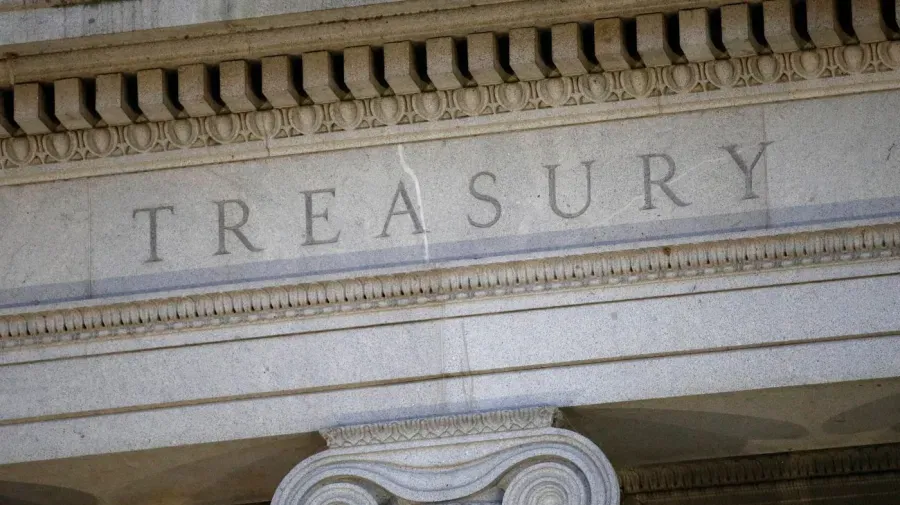
The US Treasury Department announced Friday it will impose sanctions on key businesses and associates tied to sanctioned Iranian financier Babak Zanjani. The action targets nine firms and four people in Zanjani's business network for attempting to evade sanctions.
On Friday, the US Treasury Department moved to tighten sanctions around sanctioned Iranian financier Babak Zanjani, hitting his wider business network rather than just the headline name. The Treasury announcement makes clear the target is not only the financier, but the key firms and people orbiting him. According to the Treasury statement, the sanctions affect nine firms and four people connected to Zanjani.
The stated reason is equally direct: the targeted entities are described as having attempted to evade sanctions. In sanctions enforcement, that matters because “evasion” is usually the hinge that turns a legal designation into a broader compliance problem for anyone touching the supply chain. The US is essentially telling the market, “If you are doing business through Zanjani’s network, you may not be as insulated as you think.”
For executives, the big takeaway is how sanctions risk migrates from a single name to an ecosystem. Zanjani is described in the announcement as a sanctioned Iranian financier, but the new pressure lands on associates and companies tied to his network. That is how regulators look for money trails. If a sanctioned person is no longer directly accessible, entities may attempt to use intermediaries, front companies, or affiliated counterparties to keep transactions flowing. Treasury’s focus on “key businesses and associates” signals it believes those workarounds were being used.
This also sits inside a broader sanctions enforcement logic that is easy to miss if you only track marquee headlines. Sanctions regimes do not just restrict individuals and companies. They create a compliance environment where banks, payment processors, insurers, trade finance providers, and even some logistics firms have to determine whether a counterparty, beneficial owner, or related party has any link to a sanctioned person. When Treasury expands the net to nine firms and four people in a network, it increases the odds that routine transactions will trip internal screening, delay onboarding, or force re-verification of counterparties.
There is also a second-order effect inside corporate governance. Board and executive teams typically want “clean” reputational and regulatory risk. When sanctions authorities label an evasion attempt, the reputational story for any adjacent company becomes more difficult. Even companies that are not named can face customer, bank, or partner scrutiny if they cannot quickly demonstrate their relationships are not connected to the newly sanctioned entities. In practice, this can mean compliance teams escalating investigations, legal teams revisiting transaction histories, and procurement teams changing vendor lists.
The market context here is simple: sanctions change the cost of capital and the friction of doing business, especially across borders and in industries where counterparties can be opaque. Zanjani’s status as a financier makes the compliance stakes higher than for a typical operating company, because financial networks often involve multiple layers of counterparties. When Treasury announces sanctions on nine firms and four people tied to that network, it implicitly raises the burden of proving who is truly behind the transaction. For decision-makers, that means compliance is not a one-time checkbox. It is an ongoing process that must adapt when regulators identify new evasion pathways.
Strategically, companies should treat this kind of update as a warning signal for the “adjacent risk” problem. The enforcement approach in the Treasury announcement suggests that regulators expect sanctioned networks to keep operating through structures that look different from the original designation. If you are an executive responsible for partnerships, treasury, trade, or vendor management, the operational question becomes: how quickly can your organization re-screen counterparties and beneficial ownership relationships when Treasury adds multiple entities at once?
Finally, the move also has implications for peers dealing with sanctions-heavy geographies and counterparties. When Treasury sanctions a network for evasion, it raises the likelihood of follow-on enforcement, because expanding the number of targeted entities usually reflects a discovered set of relationships that regulators believe are materially connected. For executives and boards, the question is not only whether you are named today. It is whether your compliance system is designed to catch the next layer tomorrow, before your counterparties get reclassified and your deals get frozen.
This story's Key Insights and Take-aways are locked.
Create a free account to unlock Executive Actions for one credit.
Register to UnlockAlways free for Executives Club members. Join the Club
More in Politics
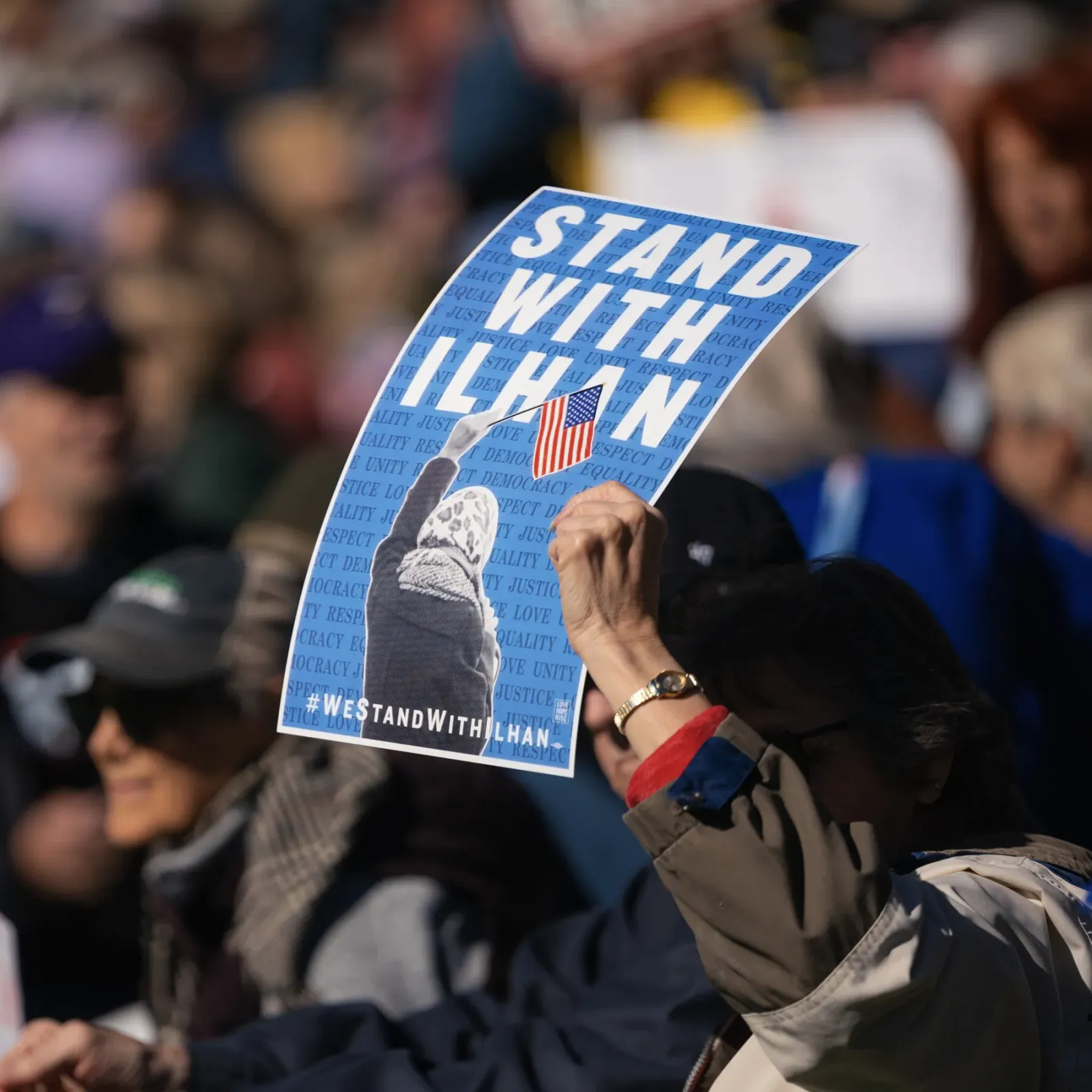
Obama Defends Ilhan Omar After Agents Search Her Home in Trump Inquiry
The former president's intervention raises the stakes in a federal probe into immigration paperwork that has put a prominent progressive lawmaker in the crosshairs.

Blair-era minister: cut welfare to fund youth job support
Alan Milburn's call for welfare cuts to fund employment support opens a Labour fight over benefits and the Neet crisis.
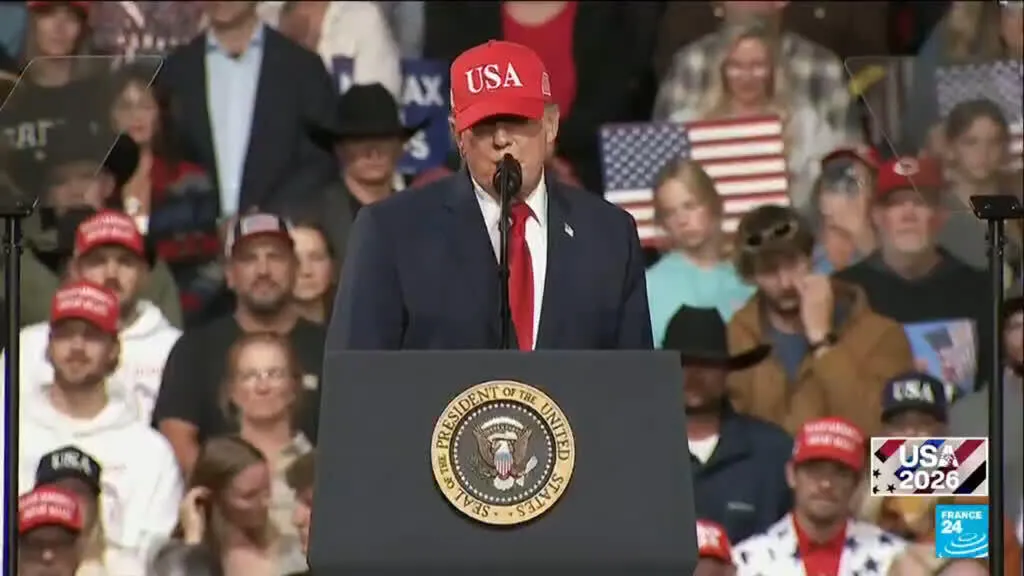
Hot September CPI: energy costs surge, voters feel the squeeze before midterms
The latest inflation print lands as Trump campaigns for GOP control of Congress, putting cost-of-living worries at the center of the midterm fight.