

Ken Paxton bets Hispanic voters on border closure and culture-war attacks on Talarico
In South Texas, Democrats say Latinos are hurting from Trump-era deportations and tariffs, while Paxton leans harder into immigration plus gender politics.
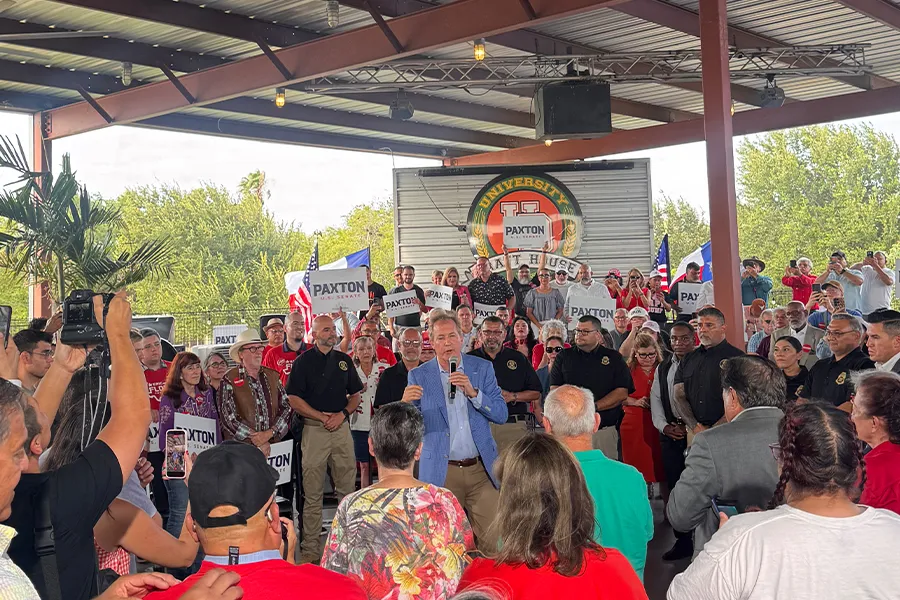
Ken Paxton, the Texas GOP Senate nominee, told reporters he plans to keep Hispanic voters by linking Democrats to culture-war issues while touting Trump’s border closure. Democrats running against Paxton, including James Talarico and Gina Hinojosa, argue those same Trump policies are squeezing the Rio Grande Valley economy.
MCALLEN, Texas - Ken Paxton is testing how far he can push President Donald Trump’s playbook with Hispanic voters right on the Texas border. At his first campaign rally in the Rio Grande Valley, Paxton framed Republicans’ path to winning as a two-part message: celebrate Trump’s closure of the border, then hit Democratic Senate nominee James Talarico over culture-war issues, “ignoring the drag his mass deportations have had on the region,” as POLITICO describes it.
Paxton said his strategy is specifically designed to split Hispanic voters away from Talarico. “Once this community knows what [Talarico’s] views are on transitioning boys into girls, and girls into boys, and boys and girls sports, they're not going to support it,” Paxton told reporters after the rally. In the same moment, he implicitly acknowledged what makes this region a high-stakes proving ground: Hispanic voters may decide not only a competitive Senate seat, but also a “litany of other races that will determine which party takes power in Washington come November.”
The rally itself looked like a campaign microcosm. Hundreds of supporters gathered at an outdoor beer hall in 100-degree heat, wearing MAGA red and a few scattered “Trump 2028 hats,” according to POLITICO. The event ran on attacks aimed at Talarico. Eric Flores, challenging Democratic Rep. Vicente Gonzalez, called Talarico a “gay vegan” and “low T.” Paxton belittled Talarico, a seminarian student and critic of Christian nationalism, for referring to himself as a “Christian who hates Christianity.” The message is clear: Paxton believes cultural targeting will outperform economic argumentation in this particular electorate.
But outside the choreography, the economic temperature is boiling. POLITICO reports the Rio Grande Valley is “buckling under the weight of Trump’s policies,” with visible strain in McAllen. Deportations have dried up workforces in construction and other critical industries, leaving cement slabs half-poured. Border traffic has slowed commerce for retail and restaurants, as Mexicans have been deterred from hopping over for day trips. The entire border ecosystem is being squeezed, not just the immediate crossing points.
The commercial implications extend farther than McAllen. Laredo, more than 150 miles away, is one of the nation’s top trade hubs. Its leaders warn that Trump’s tariffs and his threat to eliminate the USMCA trade agreement would destabilize international commerce moving through the city. Laredo Mayor Victor D. Treviño, a Democrat, told POLITICO in an interview: “When the U.S. doesn't provide economic opportunity for the people at the border, it will create this situation.” In other words, the policy bet that energizes one political coalition may be weakening the business base that feeds local jobs and consumption.
That tension is exactly what Democrats are trying to translate into votes. Local officials and business leaders POLITICO interviewed describe Democratic candidates like Talarico and gubernatorial nominee Gina Hinojosa as successfully appealing to Hispanic voters who say they are feeling the economic strain under Trump. Talarico, appearing in McAllen 16 hours after Paxton, kept his pitch anchored in cost-of-living themes. He handed out hot plates of food, pushed for reversing health care cuts under the GOP budget bill enacted last year, and emphasized issues that affect “families,” “kitchen table issues,” as described by Democratic state Sen. Juan Hinojosa.
Hinojosa also framed Paxton’s approach as a risk for Democrats, warning they should avoid the cultural hook being set for them. But Paxton and his campaign argue the opposite: that culture-war language resonates with socially conservative Latinos. In a statement, Alex Alarcon, director of Hispanic outreach for the Paxton campaign, dismissed concerns about Democrats’ gains, saying Hispanic families aren’t voting for “a woke vegan” who says God is nonbinary and wants to “Latinx our children.” He added that Paxton has “spent his career fighting” for a secure border, a cost of living voters can afford, and “freedom to live by our values.”
Still, polling and on-the-ground reports suggest the electorate is not simply choosing between vibes. POLITICO cites a July POLITICO Poll showing more than 60 percent of Hispanics say Trump’s mass deportations campaign, including widespread ICE deployment, has been too aggressive. The story also contains a sharp human detail: in McAllen last week, the community was “still aghast” over a nun arrested by ICE while walking to church, later released after interventions by GOP Rep. Monica De La Cruz and Democrat Rep. Henry Cuellar. Even residents who said they are satisfied illegal border crossings have dropped to record lows also believe the crackdown “has gone too far.” Another data point underscores the business blowback: a June survey commissioned by the U.S. Hispanic Business Council, shared first with POLITICO, found one in five Hispanic business owners say they have had an employee deported in the past year, and 70 percent have been impacted by Trump’s tariffs.
Inside the race mechanics, POLITICO reports that Talarico holds a seven-point lead over Paxton among those surveyed, even though a plurality of them self-identified as Republican. A national Republican close to the race, speaking anonymously to POLITICO, argued Paxton benefits from a broader political map and nearby competitive House contests in South Texas. GOP campaigns have reportedly set up multiple field centers in those districts, in part because a new Congressional map drawn to favor Republicans is expected to strengthen Paxton at the top of the ticket. The GOP also claims internal message testing shows attacks on Talarico related to gender move Hispanic men “unlike anything we've ever seen,” according to POLITICO.
Zooming out, the strategic stake for executives and board-level leaders is this: in a region where labor availability, consumer traffic, and cross-border trade are tightly coupled, political messaging about border closure and cultural fights can collide with real economic constraints in ways that change voter behavior. When workforce depletion hits construction, when tariffs pressure buyers and suppliers, and when businesses report deportation impacts, those second-order realities can become an election issue overnight. For leaders tracking high-salience policy risk, the Rio Grande Valley is a live case study of how immigration enforcement and trade policy can reshape not just labor markets but also the political calculus of the communities that keep the lights on.
This story's Key Insights and Take-aways are locked.
Create a free account to unlock Executive Actions for one credit.
Register to UnlockAlways free for Executives Club members. Join the Club
More in Politics
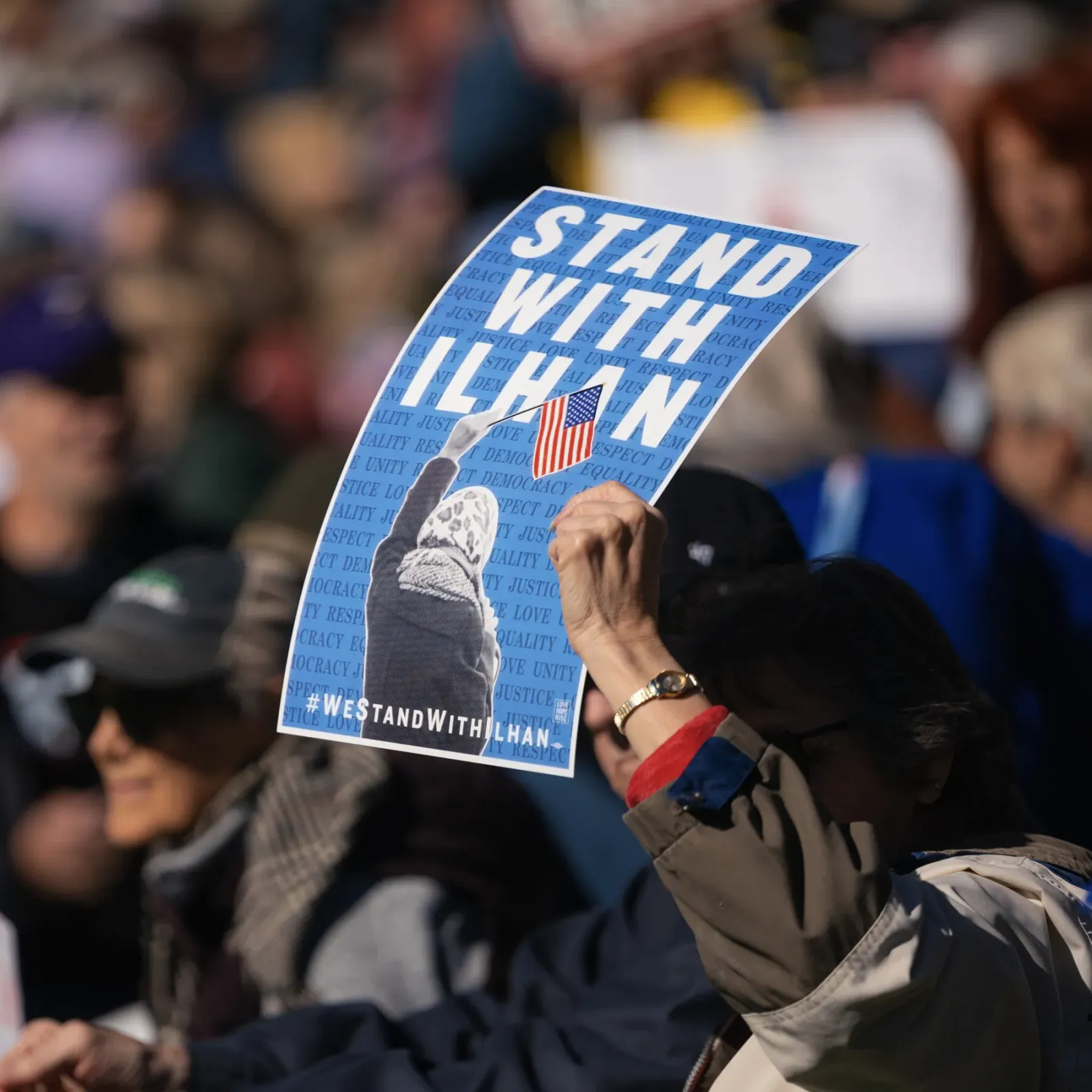
Obama Defends Ilhan Omar After Agents Search Her Home in Trump Inquiry
The former president's intervention raises the stakes in a federal probe into immigration paperwork that has put a prominent progressive lawmaker in the crosshairs.
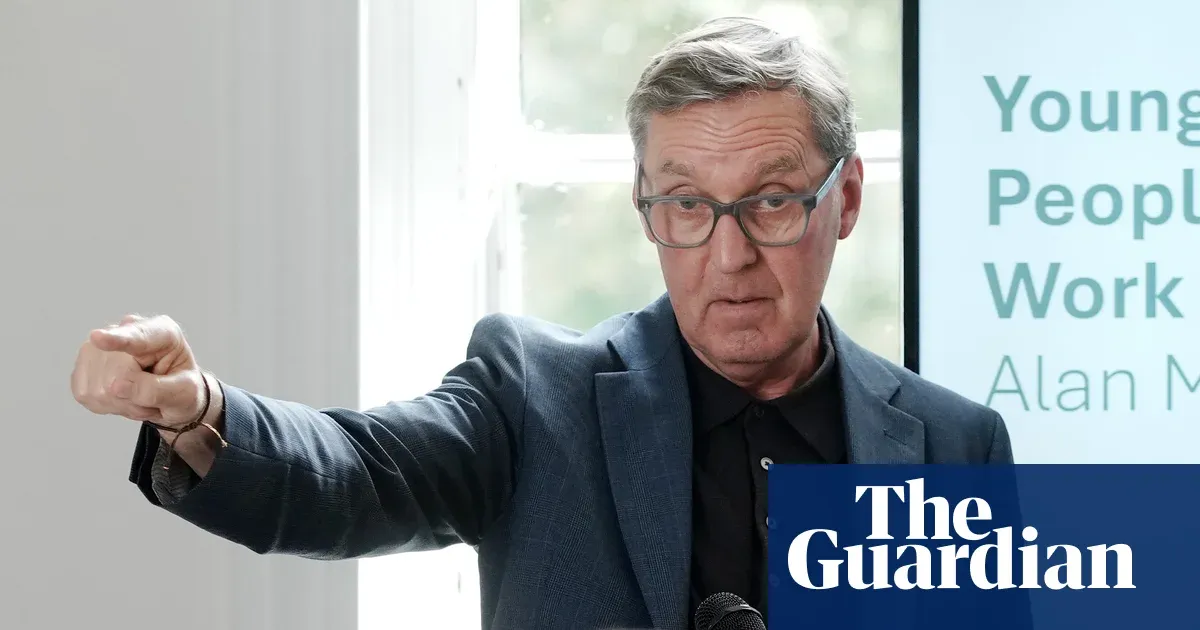
Blair-era minister: cut welfare to fund youth job support
Alan Milburn's call for welfare cuts to fund employment support opens a Labour fight over benefits and the Neet crisis.
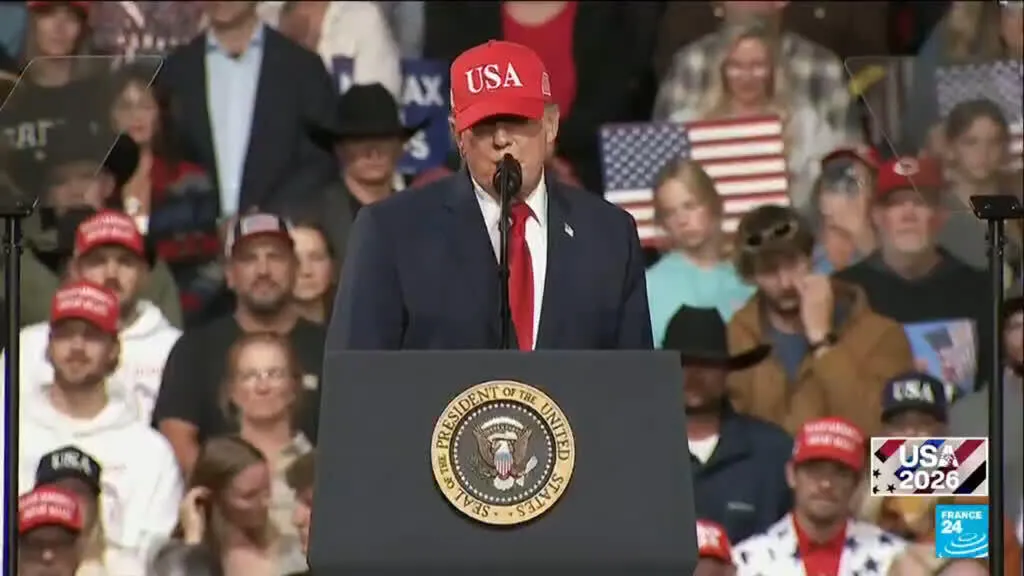
Hot September CPI: energy costs surge, voters feel the squeeze before midterms
The latest inflation print lands as Trump campaigns for GOP control of Congress, putting cost-of-living worries at the center of the midterm fight.