
Kevin Cate’s ‘Open Door’ goes feature-length after nearly 15M views on YouTube
A three-minute elevator-ride short is getting a feature adaptation, joining the YouTube-to-theaters playbook that just proved itself.
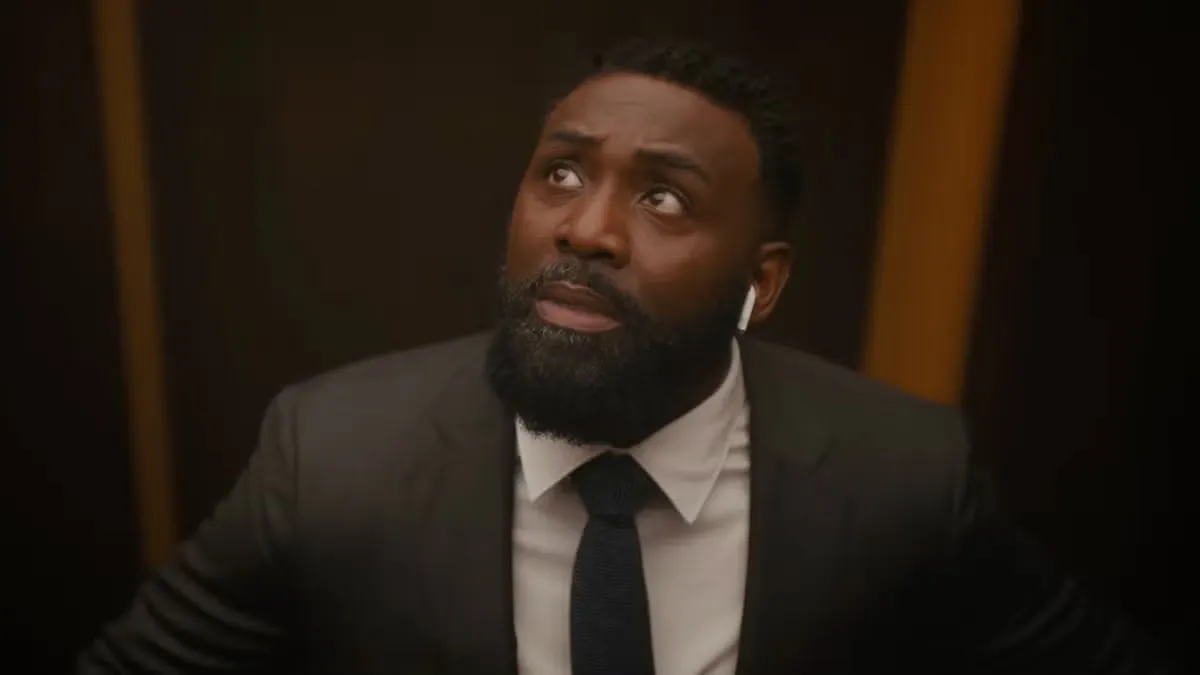
Filmmaker Kevin Cate’s three-minute YouTube Short “Open Door” is being adapted into a feature-length film by Rick Kearney and Cate’s Clinging Vine Films. The move follows “Open Door” nearly 15 million views online so far, plus the earlier success of Cate adaptations like “Backrooms” and “Obsession.”
Kevin Cate’s three-minute YouTube Short “Open Door” is getting a feature-length film adaptation, and the demand story is already baked in. The short documents the “elevator ride from hell” that two people share, and it has amassed nearly 15 million views online so far. Cate has been publicly leaning into that audience pull, saying he “literally can’t go a day without someone asking” what the characters “saw down there,” and that he “really, really can’t wait” to show more while staying in the same world.
The adaptation is not happening in a vacuum. Cate’s “Open Door” will be adapted into a feature-length film by Rick Kearney and Cate’s Clinging Vine Films. Cate also recently had “Unbearable Christmas” adapted, and he says he and his team are “ride or die” with the original cast and crew. Sharing the news on social media Friday, Cate posted, “Only in my wildest dreams,” underscoring that this is the kind of rapid escalation creators rarely get after a viral moment.
For decision-makers, the interesting part is what this signals about the movie pipeline. “Backrooms” and “Obsession” were both “hatched from popular YouTube videos,” and the results are now being used like receipts. “Backrooms” director Kane Parsons has since become the youngest director to top the box office, and “Obsession” has become the highest-grossing movie acquired out of a film festival. Those are big, board-friendly proof points because they reduce the guesswork that usually surrounds IP development. Viral shorts are not just marketing anymore, they are upstream product development.
There’s also a practical incentive alignment here. In the traditional model, studios and producers often discover properties that are already packaged and trackable, then retrofit marketing. In the YouTube-to-film model, the audience is involved before the feature exists. Cate’s own comments reflect that real-time validation loop: if viewers are actively asking what happens, the story already has built-in curiosity, not just awareness. The short being “available for streaming on its official site” adds another layer of distribution optionality, letting the story live beyond the platform that initially drove the views.
What adds strategy is timing and scale. The feature does not yet have a release date, and the official website notes it “could be released as soon as 2027.” That “could” is doing a lot of work. It implies development is likely moving, but the release window remains conditional on the usual production realities: casting, financing, production scheduling, and marketing readiness. For executives tracking greenlight logic, this is a reminder that even with viral demand, the hard part is turning attention into a deliverable that scales from three minutes to feature runtime without losing what made viewers care in the first place.
There is also a second-order implication around talent and team continuity. Cate says they are ride or die with the original cast and crew. That matters because continuity can preserve the tone that attracted audiences and reduces the creative churn that sometimes undermines adaptations. But it also creates operational constraints, since retaining specific performers and crew can narrow scheduling options and may require more coordination than a fully re-cast project.
If Cate’s name sounds familiar, that background could matter to industry stakeholders thinking about creator pathways. He previously worked as a Democratic consultant and campaign spokesperson for then-candidate Barack Obama in 2008, and his father is WFLA anchor Keith Cate. That is not directly tied to the screenplay on the page, but it provides context for why a creator might be unusually fluent in audience instincts and messaging. In creator-driven projects, communication discipline is often the silent advantage.
Put it together, and “Open Door” is now part of a broader, maturing trend: movies built from platform-native stories with measurable traction, then escalated into feature budgets and festival and box office ambitions. For executives in studios, independent producers, and investor networks, the risk is not the viral concept itself. The risk is believing the virality is the product, instead of recognizing it as early demand proof that still needs craft, execution, and a credible release plan. The upside is equally clear: a proven audience base can strengthen negotiations, justify development spend, and make “optioning” feel less like a gamble and more like a decision with evidence.
This story's Key Insights and Take-aways are locked.
Create a free account to unlock Executive Actions for one credit.
Register to UnlockAlways free for Executives Club members. Join the Club
More in Entertainment

Russell Brand's accuser 'bewildered and confused' as he denies 7 sex charges
The criminal case against the comedian is a live test of how media companies manage talent risk when serious allegations go public.

'It's a Magic Trick': Ballet Experts Say Rosalía's SNL Pose Is Impossible
Three ballet experts tell Rolling Stone Rosalía's gravity-defying SNL stillness shouldn't be possible - and why the debate is now part of the show.

Activision CMO: GTA 6 Will Boost Call of Duty, Not Bury It
Activision's top marketer says Rockstar's blockbuster will drive players back to consoles and into Modern Warfare 4, even as the company admits its recent strategy failed.