
Kevin Feige says Secret Wars will not be a full MCU reboot, and it changes expectations
The Marvel boss is framing Avengers: Secret Wars as a continuation into a streamlined universe, not a reset button.
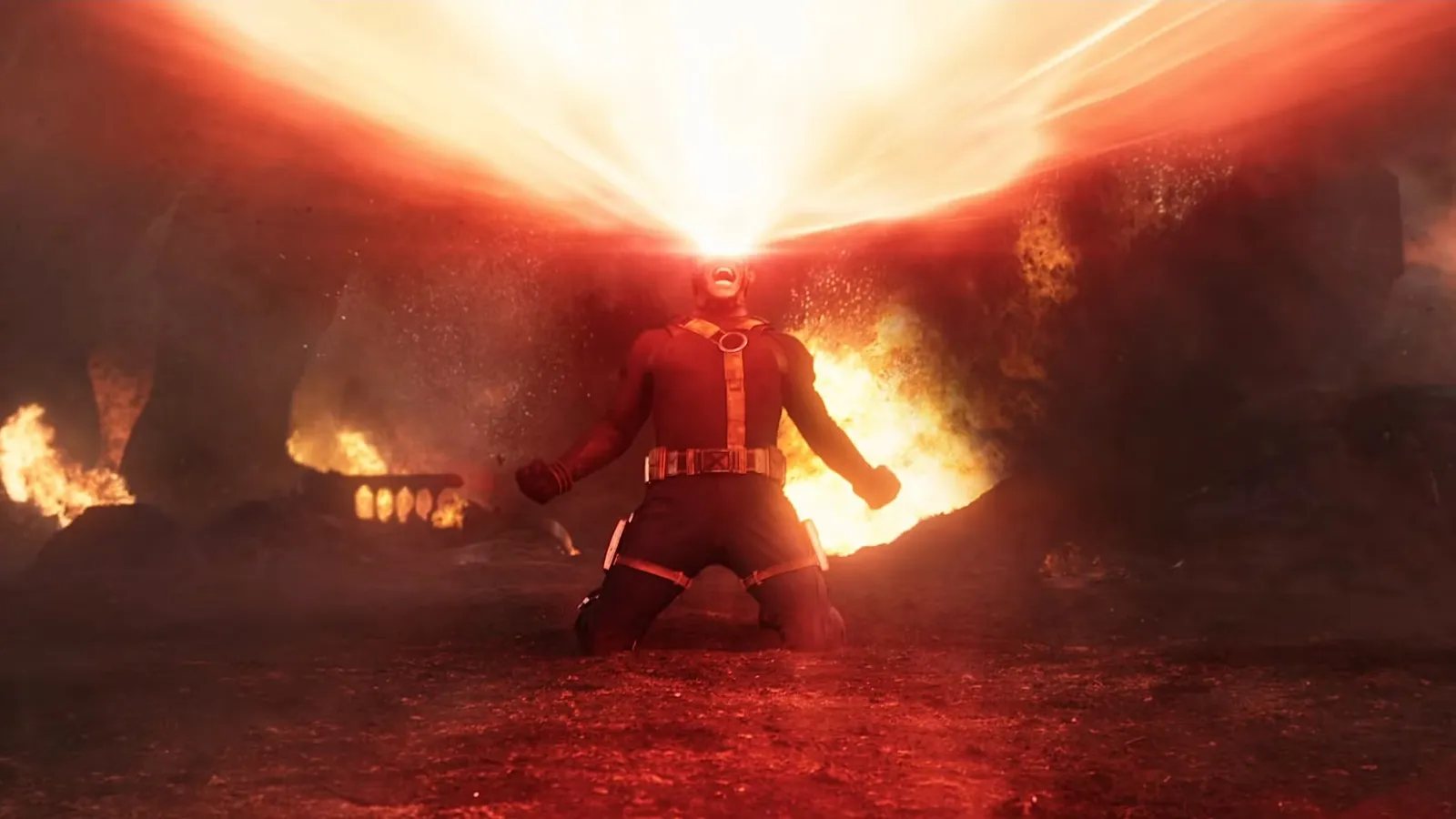
Kevin Feige, Marvel’s top executive, says Avengers: Secret Wars is not a full MCU reboot. The comments are meant to clarify how the Multiverse Saga culminates, setting up major changes after the 2027 film.
Doctor Doom’s arrival in Avengers: Doomsday is only months away, but the real anxiety among Marvel watchers is already focused on what comes next: Avengers: Secret Wars. And crucially, Marvel boss Kevin Feige is trying to calm the loudest fan fear. According to his comments, Secret Wars will not be a full MCU reboot, even as it serves as the culmination of Marvel’s Multiverse Saga.
That distinction matters because it directly affects how audiences, business partners, and internal stakeholders mentally model the next chapter. Avengers: Secret Wars is the sixth Avengers film, set for release in 2027, and Feige’s framing suggests the post-2027 Marvel Cinematic Universe will be different, but not wiped clean. Instead, the film is expected to pave the way for the next wave, including the X-Men, while also moving the overall universe toward a more streamlined structure after 2027.
Why does that non-reboot framing land with extra force in a world where everyone instantly compares Marvel to earlier entertainment “reset” eras? Because a reboot is usually interpreted as a total narrative and commercial reset. It implies staff re-orientations, risk shifts, and potentially a new tolerance for mismatch between legacy IP and new storytelling. Feige’s statement, by contrast, signals continuity even if the story “ends” the Multiverse Saga. That continuity is not just creative. It changes how leaders think about long-tail brand equity, the value of existing audience habits, and the credibility of future announcements.
There is also a practical incentive buried in the wording. Marvel is rolling out a structured, multi-year universe, with major set-piece milestones designed to keep the franchise legible. When a project is described as “not a reboot,” it reduces the chance that viewers treat upcoming installments as discardable. That is helpful for downstream business, including event-driven marketing cycles and the way studios plan for cross-property attention. For decision-makers watching the media flywheel, legibility is everything. If the MCU is retooled without being reset, it can keep momentum while still adjusting the dial on tone, structure, and character ownership.
In addition, the source context points to comic inspirations for Secret Wars, which matters because Marvel’s Multiverse Saga is already rooted in an audience that follows continuity. When the next Avengers film is tied to well-known comic lines of thought, and Feige emphasizes how Marvel will look afterward, the message is: you are not walking into an entirely new universe. You are walking into a convergence. That kind of convergence is typically what studios want near the end of a major saga, because it gives them both narrative closure and a cleaner runway for the next set of characters. In this case, that next runway includes the X-Men.
Now connect that to the kind of strategic pressure boards and executives actually face. A “reboot” narrative can become a distraction internally and externally, because it invites questions about what gets abandoned and what survives. A “not a reboot” narrative, even when it promises massive changes, tends to steer expectations toward evolution rather than replacement. That is a lower-friction path for partnerships, talent planning, and long-term franchise investment. It can also reduce the risk of alienating segments of the audience that have invested in the prior canon, which is relevant for anyone who has ever watched a beloved IP lose goodwill faster than it can regain it.
Second-order implications extend further than moviegoers. Investors and executives in adjacent content categories watch how mega-franchises manage brand continuity. If Marvel can credibly reposition the MCU after 2027 without calling it a reboot, it becomes a case study in how to reset complexity without resetting trust. That is a big deal in an environment where audiences have endless options and where attention is rationed. You can change the story mechanics, but you have to maintain the promise of “this still feels like the same universe.” Feige’s insistence that it is not a full reboot is, in effect, a trust-building move.
So what should peers in similar executive roles take from this? Secret Wars is scheduled to be released in 2027, and the promise is major structural change after the sixth Avengers film, including paving the way for the X-Men and a streamlined universe. But Feige is drawing the line: this is not a wipeout. It is a reconfiguration. For studios and media leaders, that is the difference between betting on reinvention and betting on sustained continuity while you tighten the system. In other words, the Multiverse Saga may be ending, but the franchise playbook is still under one coherent strategy.
This story's Key Insights and Take-aways are locked.
Create a free account to unlock Executive Actions for one credit.
Register to UnlockAlways free for Executives Club members. Join the Club
More in Entertainment

12TB Steam 'teraleak' goes beyond Valve: GTA 3, Mafia 2 prototypes exposed
A 12-terabyte dump of Steam data reveals prototypes and builds of third-party classics like GTA 3 and Mafia 2, plus unreleased Valve content, rewriting game history.

LinkedIn's romance problem: 1 in 4 workers say dating on it is fair game
A new survey shows a quarter of U.S. employees treat the professional network as fair game for romance, even as LinkedIn bans it and removes hundreds of thousands of offending posts.

Enhypen's first No. 1 album breaks K-pop's Billboard 200 streak
The K-pop group's 98,000-unit debut tops the chart while Dolly Parton's catalog reentry shows how death reshapes streaming.