

Kevin O'Leary and Fox News face Utah defamation suit over CCP funding accusations
Alliance for a Better Utah and Elevate Strategies claim O'Leary's media comments triggered reputational, financial, and safety harms.

Kevin O'Leary, the Shark Tank star, and Fox News are named in a defamation lawsuit brought by two Utah political organizations tied to opposition of O'Leary’s Stratos data center plan. The suit alleges his comments linking them to the Chinese Communist Party caused damages ranging from economic losses to threats.
A defamation lawsuit filed in Utah Federal District Court just turned Kevin O'Leary’s Utah data center political war into something far more consequential than reputational heat. Two Utah-based political organizations, the Alliance for a Better Utah and Elevate Strategies, are suing O'Leary and Fox News after O'Leary blamed alleged Chinese Communist Party-adjacent actors for “bot-written” comments and repeatedly linked the organizations to the CCP in multiple media appearances.
According to the complaint, the alleged campaign caused “devastating reputational harm, significant economic losses, severe emotional distress, and ongoing threats to their physical safety.” The named plaintiffs are Joshua Kanter, founder of Alliance for a Better Utah, and Gabrielle Finlayson, founder of Elevate Strategies. They are seeking compensatory damages to be determined at trial, plus “punitive and exemplary damages in an amount sufficient to punish Defendants and deter future misconduct.”
O'Leary’s comments, which the lawsuit characterizes as a “smear campaign,” followed a central Utah storyline: his Stratos Project, a data center complex that could eventually support up to nine gigawatts of AI computing capacity and is planning to take up tens of thousands of acres in Box Elder County, Utah near the Great Salt Lake. That project has drawn opposition from Utahns concerned about environmental impact and the effects on local water supply. In the background, the U.S. is also watching an AI boom that has triggered nationwide pushback against data center campuses, with a Gallup survey published in May finding seven in 10 Americans oppose having an AI data center built in their area.
In this particular drama, O’Leary’s pitch is intertwined with political mobilization. The lawsuit alleges that in at least 10 media appearances, O’Leary tried to link Alliance for a Better Utah and Elevate Strategies to the Chinese Communist Party. In one alleged attack, he labeled the two organizations as “cells” organizing opposition to his data center project during an interview on Mornings with Maria, saying, “These two cells, it’s the CPP [sic] at work here. There’s no question about it.” In another appearance on The Tucker Carlson Show, he alleged the organizations were “taking the content from the CPP [sic], repurposing it, and jamming it down the throats of people in Utah on my social media feed.” The complaint says he repeated similar statements in several other media appearances between May 11 and June 3.
The lawsuit also names Fox News, arguing the network “repeatedly invited O’Leary onto its programs and allowed him to broadcast his false accusations to millions of viewers without any qualification.” Fox News Media told Fortune that it “publicly corrected the record on every program where on-air guest Kevin O’Leary’s comments were made, all of which was extensively publicized.” This is a key detail for decision-makers watching from afar: corrections and on-air adjustments do not automatically erase legal exposure if a court believes the harms were real and the broadcast helped cause them.
O’Leary’s side frames this differently. His attorney, Jeff Neiman, called the lawsuit a “cash grab” in a statement to Fortune, adding that the organizations used O’Leary’s comments as a catalyst to raise funds. Neiman also said that discovery will open the organizations to scrutiny, and he welcomed that process. In the suit, the plaintiffs portray a different dynamic, arguing the focus on Kanter and Finlayson was misplaced. While Alliance and Elevate had published posts criticizing the project, the complaint claims Finlayson appeared in only one video about the project, and Kanter made no public statements and no longer holds a public-facing role with Alliance, though he remains on its board.
What makes the case feel like more than “just politics” is the timing and the enforcement angle around public statements. O’Leary posted a clarification on Instagram on June 25 saying, “I have no evidence that Alliance for a Better Utah, Elevate Strategies, Gabrielle Finlayson, Taylor Knuth or Josh Kanter are funded by China or the Chinese Communist Party.” Platkin LLP, the law firm representing the plaintiffs, says that clarification came only after the organizations issued a legal demand. The plaintiffs’ statement says Fox News issued an apology and reported on the clarification soon after O’Leary’s social media post, but Platkin LLP argues those steps did not address harms “during their weeks-long smear campaign.”
The broader Stratos fight has already played out in the political arena. Opposition boiled over during a packed public meeting on May 4, where protestors shouted “Shame!” and “Cowards!” before Box Elder County commissioners left and voted virtually to approve resolutions allowing the Stratos project to move forward, according to the Salt Lake City Tribune. Since then, politicians who backed the project have faced political costs: Utah state senate president Stuart Adams lost a reelection bid after 20 years in the state legislature last month. Two Box Elder County commissioners who voted to advance the project also lost their primaries. Under pressure, O’Leary introduced a reduced version of the data center project in which the footprint was cut to 20,000 acres from an original 40,000 acres, with only 10,000 acres available for development of data centers and other infrastructure.
For executives, founders, and boards tracking the data center and AI infrastructure wave, the strategic stakes here are not theoretical. If your project sits near a flashpoint, then messaging becomes part of the operational risk stack, not just the marketing layer. This suit is a reminder that allegations about foreign influence, even when offered as political interpretation, can generate lawsuits grounded in claimed economic losses and personal safety harms. It also highlights a second-order risk: if public commentary is used to mobilize attention and fundraising, the narrative dispute may end up as discovery, where both the speaker and the organizations tied to the controversy could be pulled under the same microscope.
In short, O'Leary and Fox News now face a legal reckoning over what was said, where it was said, and what the plaintiffs claim followed. In a country where data center backlash is already mainstream and voters increasingly scrutinize water, energy, and local control, this case may become a template for how opponents and proponents fight in court as much as in public.
This story's Key Insights and Take-aways are locked.
Create a free account to unlock Executive Actions for one credit.
Register to UnlockAlways free for Executives Club members. Join the Club
More in Business

Uber buys Delivery Hero for nearly $15B, vaulting to top food delivery outside China
The deal doubles Uber's dual-services footprint and pushes a ride-and-eats bundling play into 50 more markets.

Epic and Google drop settlement bid, forcing rival Android app stores by July 22
Google told the court it is ready to carry third-party app stores starting Wednesday, July 22.
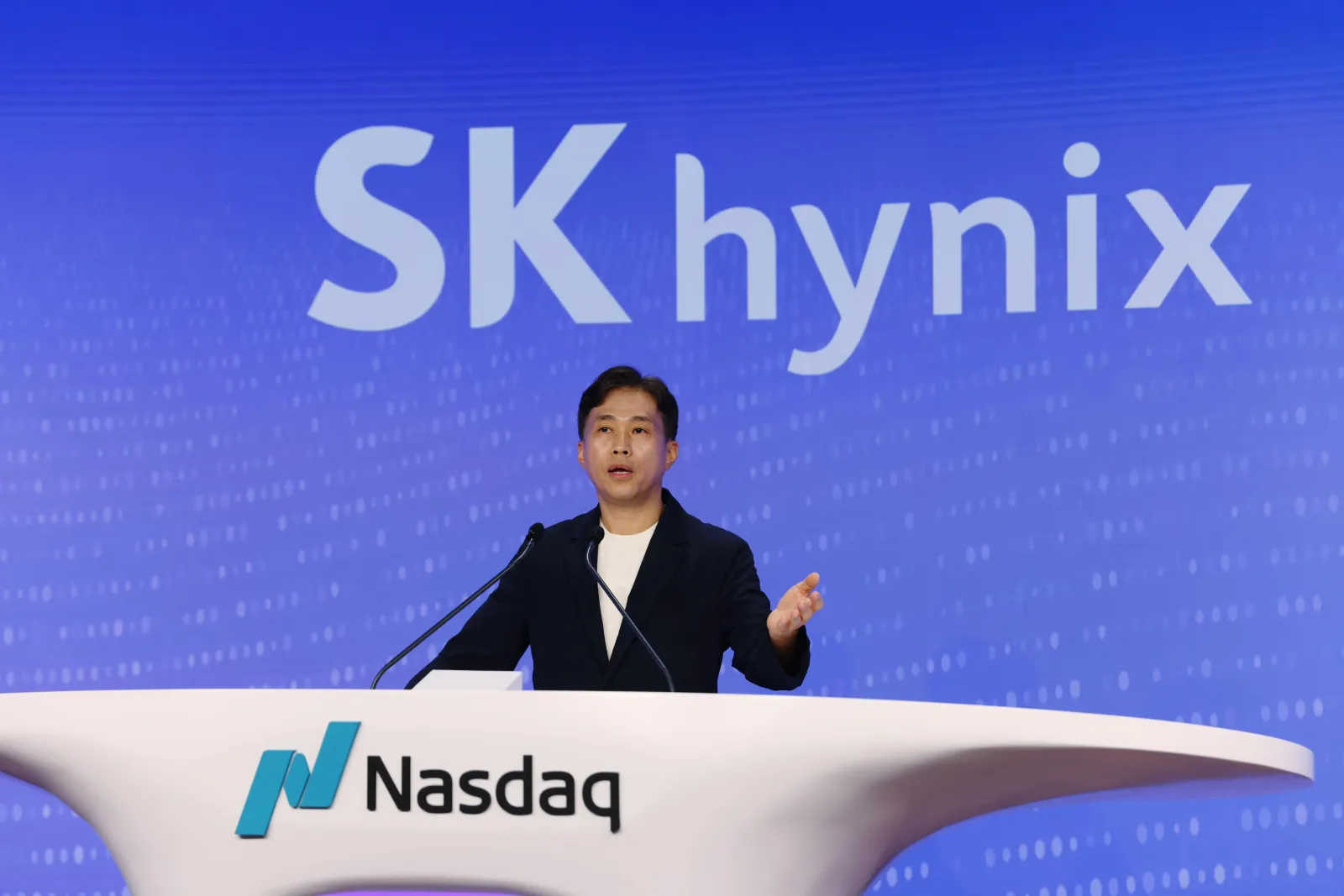
SK Hynix opens at $170, raises $26.5B, and tops foreign IPO records
In Friday's Wall Street debut, SK Hynix turns AI RAM demand into a $26.5B fundraising moment that rewrites comps.