

Kizza Besigye collapses in court, rushed to hospital and sparks new fears for opponents
Uganda’s opposition leader is hospitalized after a court collapse, intensifying scrutiny of how political rivals are treated.
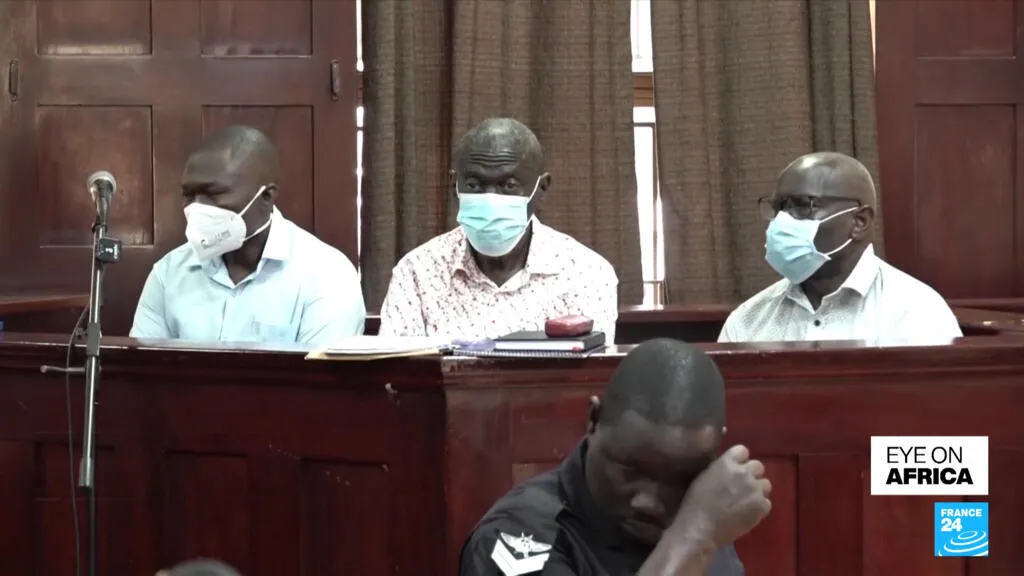
Ugandan opposition leader Kizza Besigye was rushed to hospital after collapsing in court, according to France 24. The incident raises fresh concerns about the treatment of political opponents and adds pressure for scrutiny across Uganda’s political system.
Ugandan opposition leader Kizza Besigye was rushed to hospital after collapsing in court, a moment that immediately escalated into a fresh concern about how political opponents are treated, France 24 reports.
That is the headline’s core fact, and it matters because in Uganda, courtrooms are not just buildings where cases move forward. They are stages where legitimacy, pressure, and power get tested in public. When an opposition leader collapses in that setting, the story does not stay medical for long. It becomes political, because audiences, civil society, and international observers can interpret the incident through the lens of treatment, fairness, and safety for those challenging the government.
To understand why this kind of incident hits so hard, it helps to remember how political oversight typically works in environments where elections and dissent are contested. Courts often serve as the formal mechanism for handling opposition complaints, legal challenges, and disputes. If people on the losing side repeatedly end up facing the most stressful, most scrutinized, or least protected circumstances, the system starts to look less like neutral arbitration and more like a pressure mechanism. The France 24 framing, “raising fresh concerns over the treatment of political opponents,” is essentially shorthand for that broader interpretation. The incident becomes a stress test for credibility.
For decision-makers, the second-order effect is reputational and operational. Even if the immediate facts of the collapse are confined to Besigye’s condition and the circumstances inside the court, perception travels faster than official processes. Political opponents might be treated as risk factors rather than participants. That can change behavior across institutions, including media decisions, NGO advocacy strategies, and even the way legal teams prepare for hearings. When an environment feels unsafe, it changes how people show up and what risks they are willing to take.
While the Besigye incident dominates the lead, France 24 also flags two other political developments with their own strategic ripples: Ghana’s proposed sweeping constitutional reforms and Benin’s intensified effort to recover looted cultural treasures and colonial archives from France. Ghana’s constitutional work matters because constitutional redesign is a lever that can reshape governance incentives. If rules about power, checks, and institutions change, then the “center of gravity” for political bargaining changes too. For executives and boards operating in Ghana or with Ghana-linked stakeholders, reforms can alter how regulators interpret authority, how disputes are resolved, and how policy continuity plays out.
Benin’s campaign is different but still relevant to organizations that touch culture, archives, education, tourism, or cross-border research. The idea of recovering looted cultural treasures and colonial archives from France is, at its core, a dispute over ownership and custody across legal and diplomatic lines. Those processes can take years, but the direction signals that governments intend to treat cultural restitution as an active policy priority, not a ceremonial promise. That influences how cultural institutions, collectors, and partners manage provenance checks and international collaborations.
Taken together, these stories illustrate a pattern that leaders across industries increasingly face: political legitimacy and legal process are not abstract. They have consequences for stability, trust, and the operating environment. In Uganda, a court collapse involving a top opposition figure pushes attention onto the treatment and safety of political actors. In Ghana, constitutional reforms could reshape the political landscape by changing the formal rules that govern power. In Benin, restitution efforts can reshape the cultural and archival terrain through legal and diplomatic pressure.
If you are a CEO, investor, or board member trying to assess risk, the key is to connect the dots without overstating what is not in the reporting. France 24 reports Besigye’s hospital rush after collapsing in court, and that alone is enough to trigger heightened scrutiny. When courts and constitutional systems become contested arenas, the downstream impact is often reputational turbulence, compliance acceleration, and a higher premium on scenario planning. The political system is no longer a backdrop. It becomes an input into how organizations plan, communicate, and operate.
This story's Key Insights and Take-aways are locked.
Create a free account to unlock Executive Actions for one credit.
Register to UnlockAlways free for Executives Club members. Join the Club
More in Politics
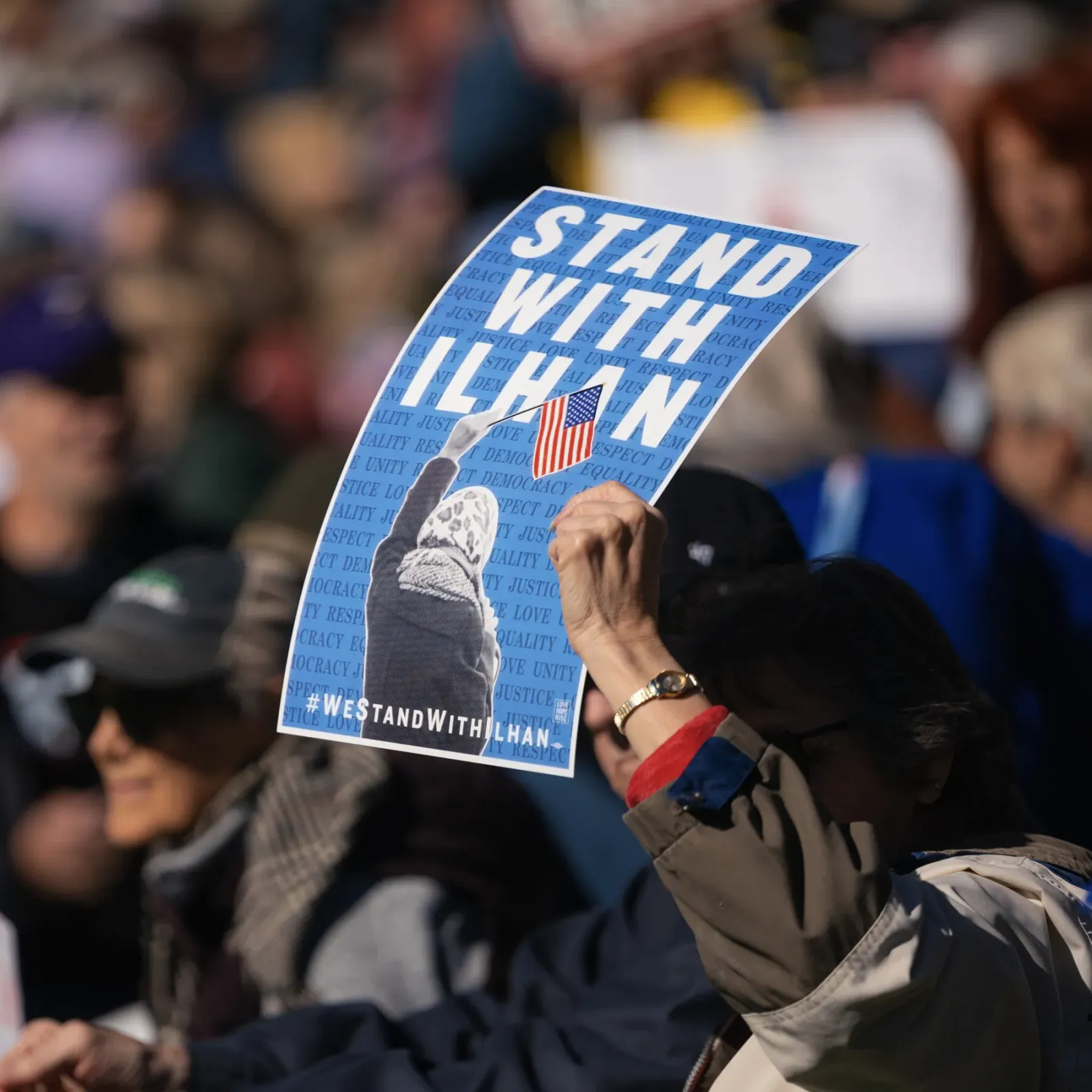
Obama Defends Ilhan Omar After Agents Search Her Home in Trump Inquiry
The former president's intervention raises the stakes in a federal probe into immigration paperwork that has put a prominent progressive lawmaker in the crosshairs.

Blair-era minister: cut welfare to fund youth job support
Alan Milburn's call for welfare cuts to fund employment support opens a Labour fight over benefits and the Neet crisis.

Hot September CPI: energy costs surge, voters feel the squeeze before midterms
The latest inflation print lands as Trump campaigns for GOP control of Congress, putting cost-of-living worries at the center of the midterm fight.