

KOSPI AI frenzy echoes China’s 2015 margin meltdown that wiped $5T
South Korea’s leveraged AI trading is triggering a China-2015-style warning: when margin and retail surge, regulators step in.
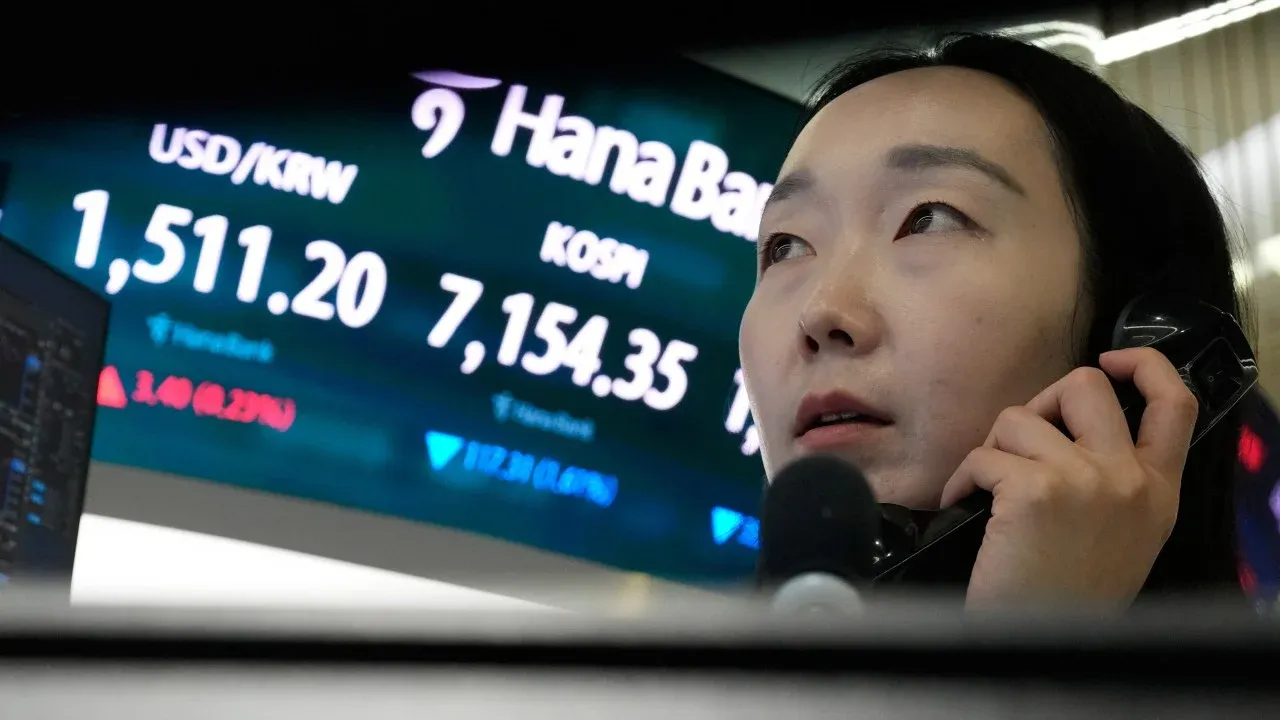
The SCMP describes how chaos in South Korea’s KOSPI, driven by a frantic artificial intelligence trading frenzy, reminds some analysts of China’s 2015 boom-to-bust episode. The consequence for decision-makers is clear: leverage and sentiment can force interventions that deflate markets quickly.
South Korea’s KOSPI has been roiling, and the comparison analysts are making is not subtle. SCMP reports that some investors see in today’s volatility a familiar arc from China’s 2015 market cycle, when leveraged trading fueled a meltdown that “eventually wiped US$5 trillion from the market within months.”
The parallel that matters is the one the article highlights next: South Korea’s “frantic artificial intelligence trade” has “many similarities” to China’s conditions in 2015, when outstanding margin debt was at record-high levels and retail investors piled in with a frenzy. In other words, the worry is not just that stocks are moving. It is that the move is being powered by leverage and crowd behavior, the exact recipe that tends to end with abrupt intervention.
To understand why this comparison is sticking, you have to zoom in on what leverage does to a market. Margin debt means positions are effectively borrowed. That can amplify gains during the boom, but it also compresses the timeline for pain. When prices wobble, investors with borrowed exposure can face pressure to meet margin calls, which forces selling. Selling then pressures prices again, which triggers more selling. That feedback loop is why boom turns to bust quickly, not gradually. SCMP’s reference to China’s 2015 period points directly at this mechanism, saying leveraged trading fueled the meltdown.
SCMP also adds a behavioral ingredient: retail frenzy. In 2015, the article notes, “record-high outstanding margin debts and a retail frenzy led to government intervention.” Retail participation can widen the pool of buyers at the top of a cycle, often before risk metrics fully catch up. The result is a market that can look unstoppable right up until it is not. For executives watching from the sidelines, the uncomfortable part is that retail-driven surges do not just disappear on their own. They tend to attract policy attention once leverage and risk become hard to ignore.
That is where the regulator comes in, and the SCMP framing matters. The article says government intervention was the step that “eventually deflated the stock” after the China 2015 boom-to-bust sequence. The job of intervention is not mysterious. In leveraged and overheated markets, authorities often look for ways to slow down margin build-up, cool speculative flows, or impose constraints that reduce the feedback loop between leverage and price declines. Even when markets are technically open, policy can quietly shift the rules of what is tolerable.
Now connect that to South Korea’s situation as SCMP describes it. The article says the KOSPI chaos is “reminiscent” to investors, implying that volatility is not just random. It is tied to the “artificial intelligence” trade and the way capital appears to be chasing the theme with intensity. AI themes can attract both institutional and retail interest because they compress the imagination of what is possible into a simple narrative. When that narrative meets leverage, the market can become fast-moving in both directions. That is the second-order risk executives should care about, because it affects not only prices but liquidity, risk appetite, and cost of capital across the board.
For decision-makers at funds, public companies, and lenders, the strategic stakes are practical. If KOSPI turbulence turns into a China-style reckoning, the market can reprice quickly, not evenly. That affects valuation multiples, trading liquidity, hedging costs, and investor behavior. It can also trigger knock-on actions elsewhere, because capital does not sit still. When one market looks like it is heading toward policy constraints, global investors often reduce exposure, tighten risk controls, or rebalance toward perceived safety. Even companies not directly involved in AI can feel the consequences through broader risk-off sentiment.
Finally, the reason SCMP’s comparison is a useful warning, not just an interesting trivia point, is that it gives a template for what tends to happen when leverage and retail fervor meet a macro policy response. In China’s 2015 episode, the article ties together record margin debt, a retail frenzy, government intervention, and a meltdown that wiped US$5 trillion within months. South Korea’s current “KOSPI chaos” does not guarantee the same outcome, but it does put the same ingredients on the table. For executives, the question becomes how prepared you are for a scenario where market plumbing, not just fundamentals, drives the next leg of volatility.
This story's Key Insights and Take-aways are locked.
Create a free account to unlock Executive Actions for one credit.
Register to UnlockAlways free for Executives Club members. Join the Club
More in Business

Epic and Google drop settlement bid, forcing rival Android app stores by July 22
Google told the court it is ready to carry third-party app stores starting Wednesday, July 22.
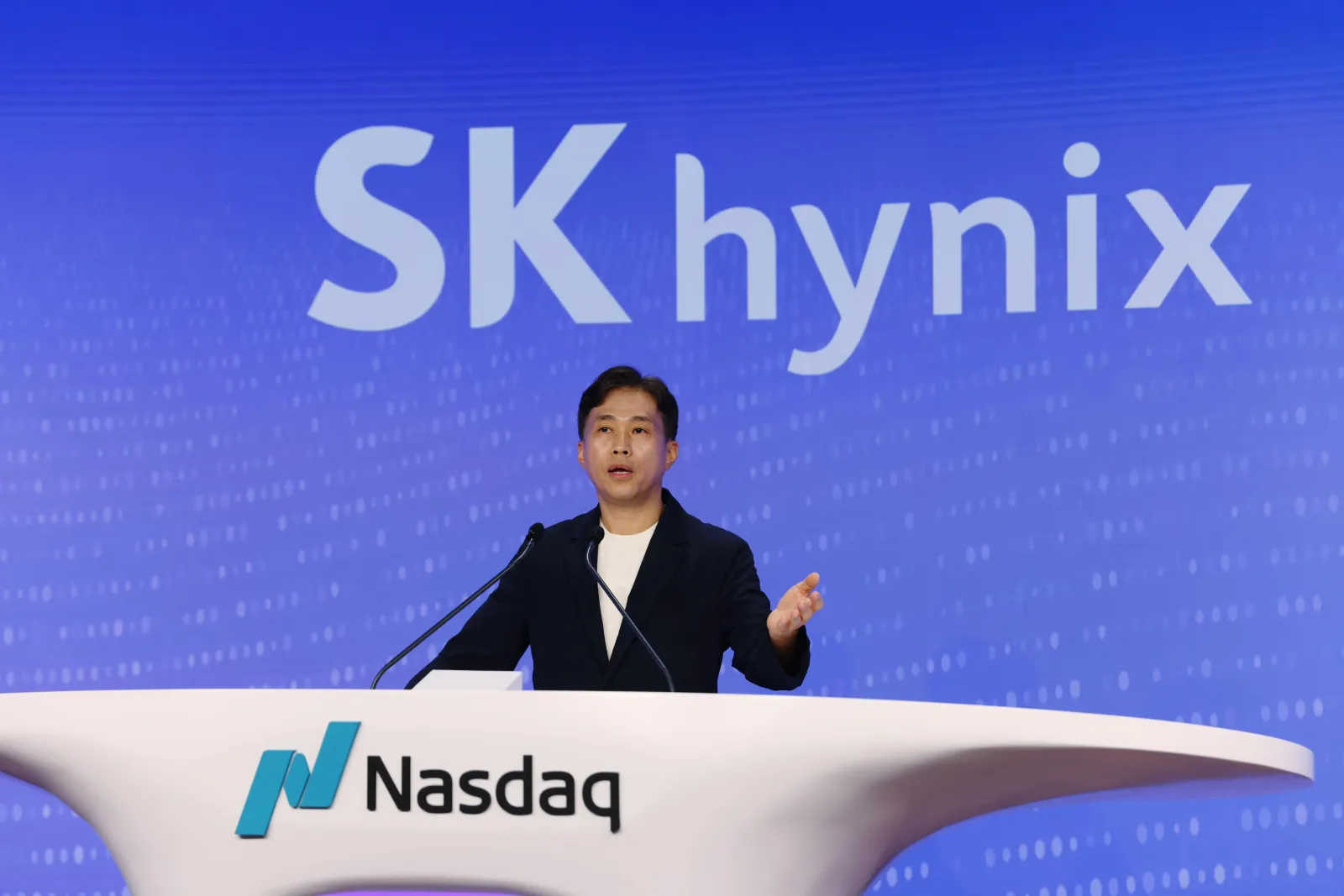
SK Hynix opens at $170, raises $26.5B, and tops foreign IPO records
In Friday's Wall Street debut, SK Hynix turns AI RAM demand into a $26.5B fundraising moment that rewrites comps.
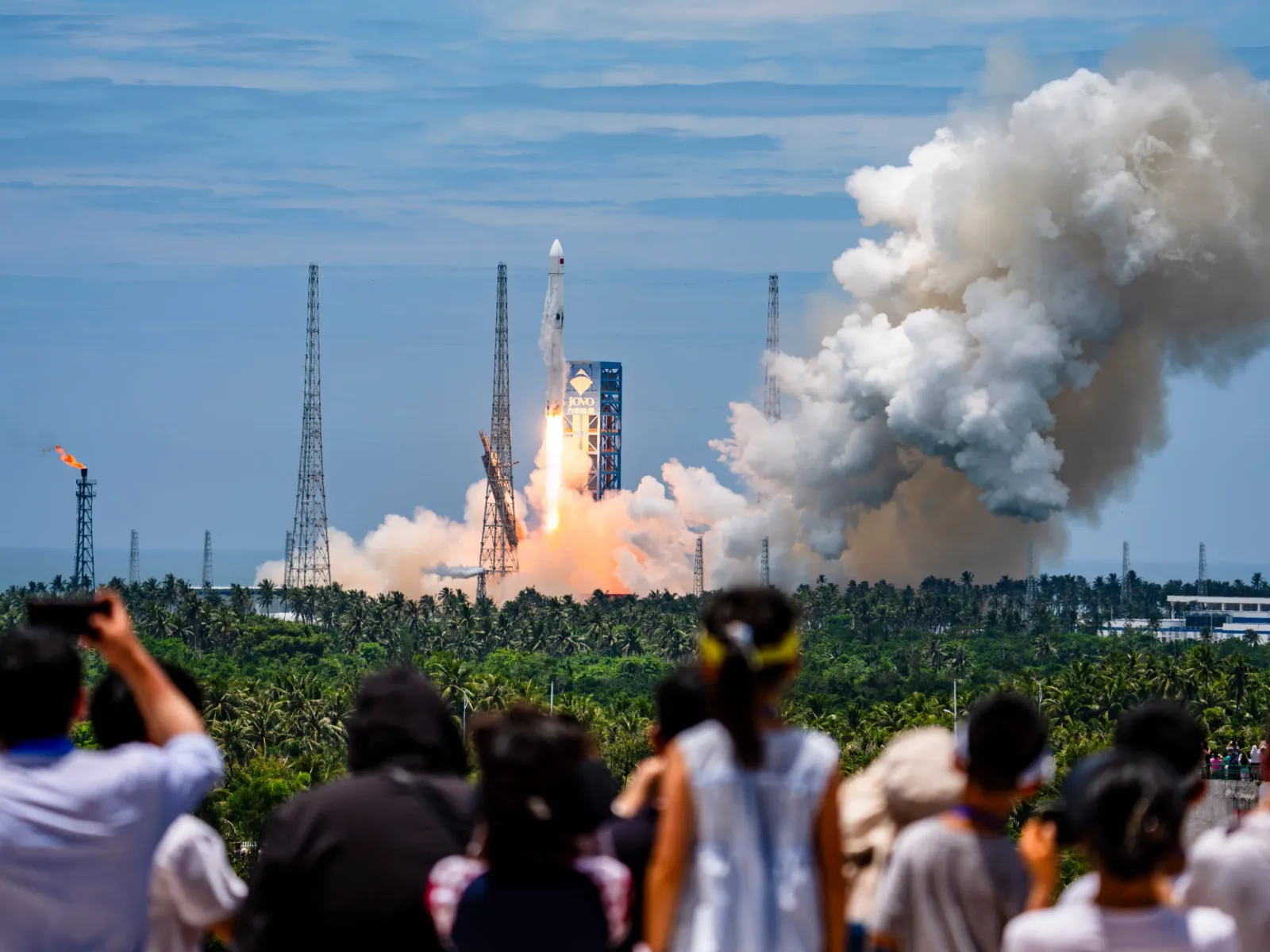
China lands a reusable Long March booster, a first that matches SpaceX and Blue Origin
A barge landing and net-based recovery move China from theory to proof, reshaping the reusability race and satellite ambitions.