
Kyiv’s drone offensive keeps escalating Russian oil hits, putting energy at Ukraine’s mercy
The campaign against Russian oil facilities just reached a new intensity, and markets are starting to price the risk.
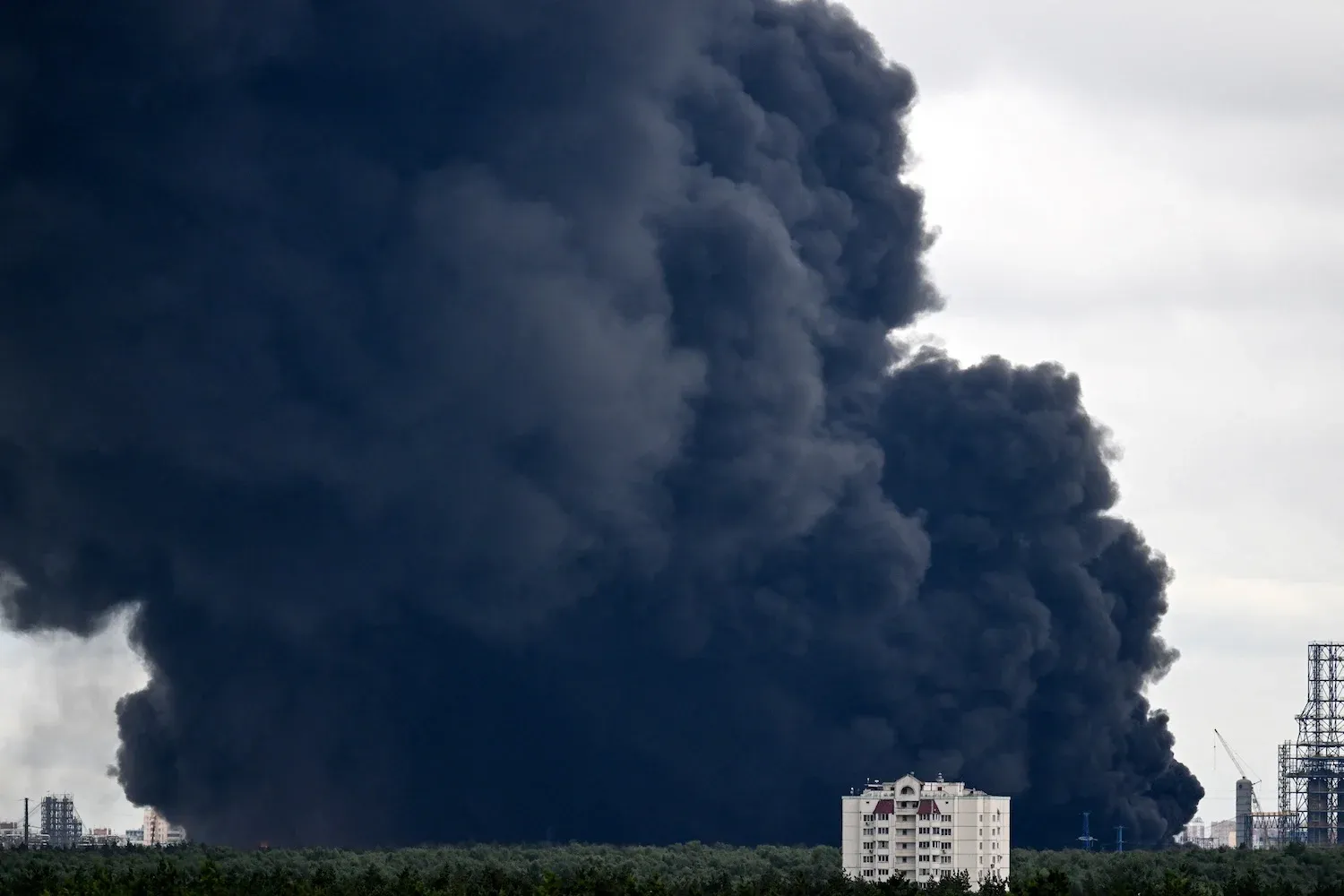
Kyiv’s drone offensive targeting Russian oil facilities has intensified again, reaching what the report describes as a sixth gear. For decision-makers, that escalation raises the odds of ongoing supply disruptions and added volatility across energy-linked markets.
Kyiv’s drone offensive against Russian oil facilities has found a sixth gear. In plain terms: the targeting has stepped up in intensity, and the result is that Russian energy operations are increasingly constrained by the threat landscape created by Ukraine.
That shift matters because oil infrastructure is not just “somewhere on a map.” Refineries, storage, pipelines, and supporting logistics form a system where downtime and uncertainty compound quickly. When attacks concentrate on oil facilities, they do more than damage equipment. They disrupt schedules, strain repair capacity, and increase the probability of operational slowdowns that ripple into product availability, shipping decisions, and pricing. The report’s framing is blunt, but the mechanics are familiar to anyone who has watched supply chains under stress: even if total production does not collapse overnight, the market still reacts to the possibility that it could.
To understand why “sixth gear” is such a loaded phrase, it helps to look at how energy risk normally moves. Traders and planners do not need a full blackout to adjust. They react to probabilities: will outputs be late, will maintenance extend, will insurance costs climb, will rerouting become necessary? A drone offensive that keeps accelerating changes those probabilities day by day. That means a relatively localized disruption can still generate broader financial effects, because counterparties price uncertainty across the network rather than only at the specific site.
There is also a regulatory and policy layer that often gets missed in quick takes. Governments rarely regulate crude output directly at the facility level in peacetime. Instead, they shape flows through sanctions, licensing, export controls, customs rules, and enforcement priorities. Even when direct sanctions targets are unchanged, escalating attacks can change how effectively enforcement operates. For example, if physical disruptions lead to changes in routing or documentation, compliance bottlenecks can emerge in the areas where the system depends on clean paperwork and stable logistics. That is not a new rule of the world, but it becomes more acute when operators must improvise under attack.
Second-order implications hit corporate balance sheets, not just headlines. Energy companies and traders tend to manage risk through hedging, diversification of supply routes, and contingency planning for downtime. But escalating kinetic threats compress the time window for these adjustments. Procurement teams cannot simply “hedge away” every operational uncertainty. If attack patterns keep evolving, risk models require constant recalibration, and that can mean wider spreads, higher volatility, and reduced visibility for planners. Board members should think of this as operational risk turning into financial risk in real time.
Executives also have to contend with operational realities on the ground. Oil facilities depend on steady staffing, reliable power, safe transportation of components, and coordination with security measures. Heightened drone activity can force changes in shift planning, maintenance timing, and defenses. Those changes reduce throughput even without a catastrophic event, and they increase the probability that repairs take longer than scheduled because access and safety protocols tighten. Again, the key is uncertainty. The more uncertainty rises, the more the market discounts near-term stability.
For peers in similar roles, the strategic stake is simple: energy disruption is now being driven by a military campaign with momentum, and that momentum can translate into persistent market pricing of risk. If the offensive is escalating, then counterparties will likely treat it as an ongoing factor, not a one-off shock. That affects everything from procurement strategy to treasury hedging to how boards evaluate scenario planning for supply disruptions and cost spikes.
So the sixth gear detail is not just an atmospheric description of violence. It signals a trajectory that can keep pressuring Russia’s energy system, forcing ongoing operational constraints and sustained uncertainty for anyone exposed to oil-linked supply chains. In the executive world, that is the difference between managing volatility and getting surprised by it.
This story's Key Insights and Take-aways are locked.
Create a free account to unlock Executive Actions for one credit.
Register to UnlockAlways free for Executives Club members. Join the Club
More in Politics

Haberman says Trump’s fixation on male looks started alarm bells in 2016
In a podcast interview, Maggie Haberman links Trump’s “type” to rising, overt behavior and staff unease.

US strikes Iran for third straight night as Trump says a deal is still possible
Escalation continues in the Middle East while Donald Trump keeps the door open, forcing markets and planners to price both risk paths.

Maine Democrats seize Biddeford ICE shooting to pressure Susan Collins in Senate race
A deadly shooting in Biddeford becomes a campaign accelerant, as Democrats try to connect Susan Collins to Trump’s immigration crackdown.