
Kyiv’s “victory theory” is out. The wager now is time, not tactics
A clearer path to winning the war emerges from Kyiv, but execution depends on how long it can hold.

Kyiv has developed a strategy for winning the war, framed as a theory of victory rather than a sequence of battlefield moves. For decision-makers, the implication is blunt: sustaining political, military, and economic support matters as much as any single push.
Kyiv has developed a strategy for winning the war. The headline is simple, but the subtext is where the risk lives: it is a theory of victory, and it hinges on time.
That matters because wars do not run like business plans. Battle outcomes are measurable, but victory is not always a single event you can schedule. A “theory of victory” is essentially Kyiv putting a coherent logic on how pressure today translates into results later, and then betting that time will do part of the work that tactics alone cannot. In this framing, the immediate question is not just whether the strategy is correct, but whether the conditions that make time valuable will remain available long enough.
To understand why “time” is such a loaded word, zoom out to how modern conflicts tend to be fought. Even when tactical performance is strong, the bigger constraint often becomes something slower: sustainment. That includes ammunition and equipment availability, replenishment capacity, manpower cycles, and the political patience of backers. It also includes the economic reality of funding, sanctions implementation, and what partners can reliably deliver over months and years rather than weeks.
In business terms, this is the difference between a product launch and a multi-year supply contract. Kyiv’s move signals an attempt to shift the war from a sequence of uncertain snapshots into an operating model with a longer time horizon. That does not guarantee success. It just means Kyiv is treating the conflict like something that can be managed with a roadmap, which is a major psychological and strategic pivot. If you can explain how the end state comes from the present, you can align resources and messaging internally and externally.
There is also an incentives layer here. Backers are not only weighing battlefield performance. They are weighing credibility. A coherent strategy can make support easier to justify, because it offers a logic for why continued investment is rational rather than charitable. Without that logic, support becomes harder to defend when domestic politics shift or when costs rise. With it, decision-makers can treat the war as a problem with a solvable structure, not a never-ending emergency.
Regulatory and institutional context matters too, even if the source is focused on strategy rather than policy. For governments and major institutions, long wars create long paperwork. Export controls, sanctions enforcement, defense procurement rules, and end-user monitoring are all mechanisms that can either enable or delay delivery. When support frameworks are designed to respond quickly, sustaining them becomes a test of administrative throughput. A strategy that depends on time implicitly challenges the system around it: can partners maintain compliance capacity and political will while the conflict grinds on?
Second-order effects are also real. When Kyiv articulates a theory of victory, it can influence not only allies, but also adversary planning and internal decision-making. Opponents often look for friction points where time stops helping and starts hurting. Meanwhile, Kyiv must ensure that its own timeline is credible, meaning the strategy must be robust to setbacks, not just optimistic under ideal conditions.
For executives and board members watching from the adjacent world of geopolitics, this is the uncomfortable lesson. The war is not just a battlefield story. It is a systems story: how funding flows, how governments coordinate, how regulatory processes handle sustained pressure, and how organizations manage uncertainty over long horizons. Kyiv’s development of a theory of victory raises the stakes for decision-makers because it sets a standard. If time is the lever, then time becomes a measurable asset that can be conserved, spent, or lost depending on choices made elsewhere.
So the bottom line is not that Kyiv has solved everything. The bottom line is that Kyiv believes it has a strategy for winning, and that the key variable is time. That framing will test allies, institutions, and the broader support ecosystem. In other words, the next phase is not just about what happens on the ground. It is about whether everyone who affects duration can keep the conditions aligned long enough for the theory to cash out.
This story's Key Insights and Take-aways are locked.
Create a free account to unlock Executive Actions for one credit.
Register to UnlockAlways free for Executives Club members. Join the Club
More in Politics

Glacial collapse, not rain, killed 180 in Nepal's Himalayan flood
The Himalaya's extreme geography hid the true cause of Nepal's catastrophic flood, a glacial collapse that turned a geological battleground into a mass-casualty zone.
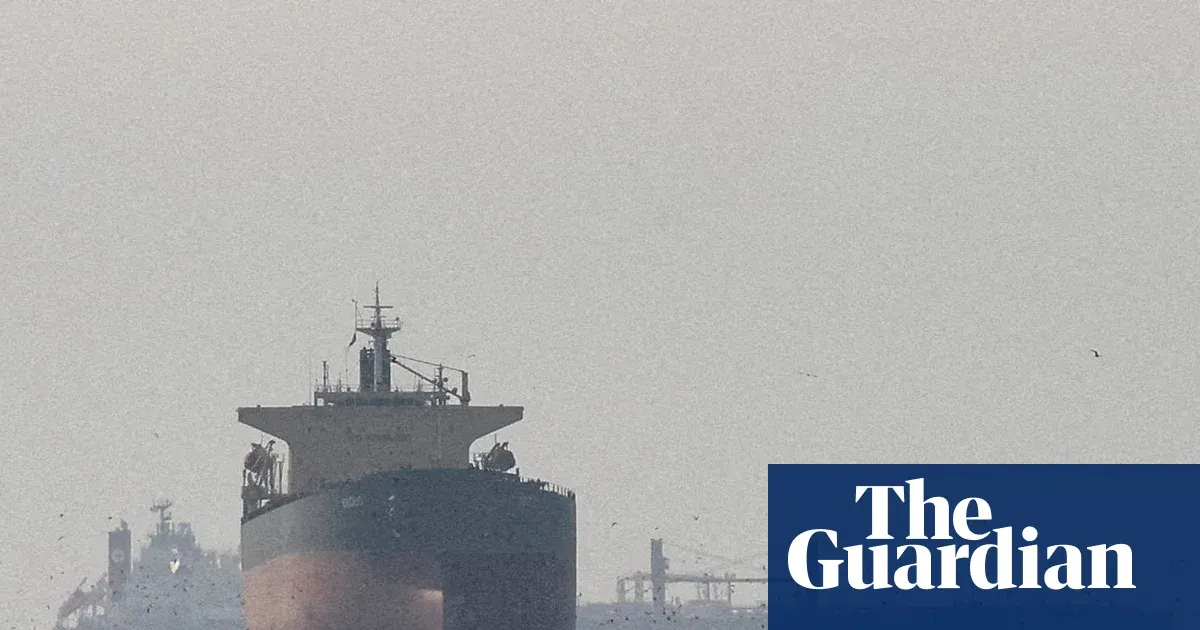
Iran’s Esmail Baghaei says Oman talks start shipping via Hormuz, not US talks yet
Temporary route plans with Oman aim to restart commerce while Tehran says Washington dialogue is not on the table.
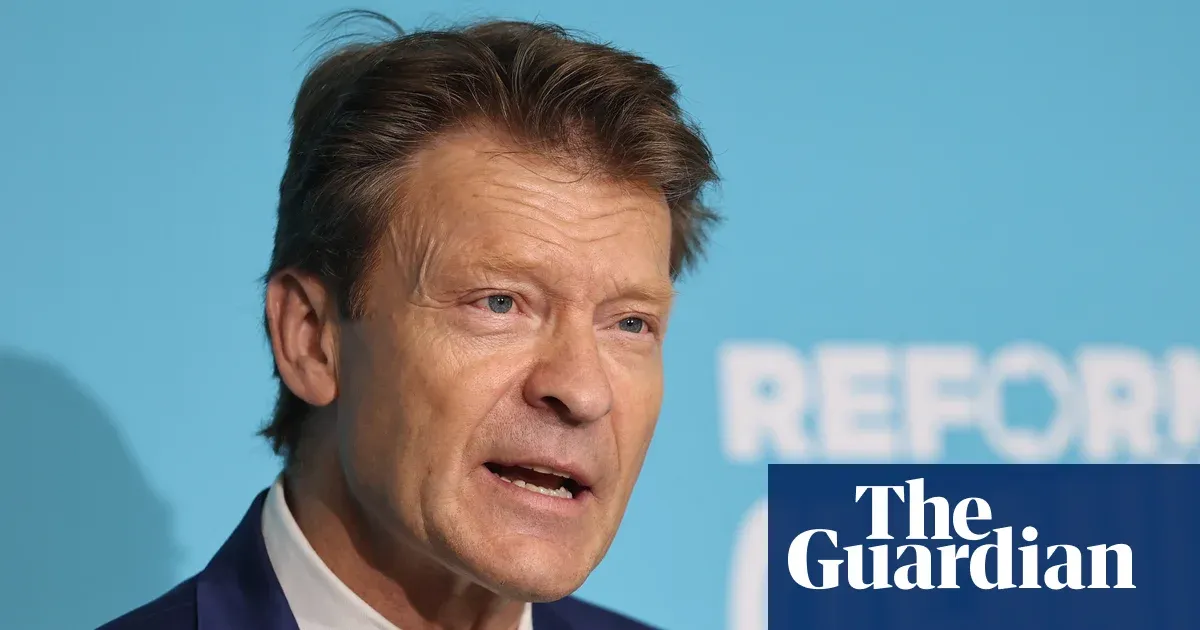
Standards watchdog opens probe into Reform UK deputy leader Richard Tice over interests
The parliamentary standards commissioner says it began an investigation on 28 July into a possible undeclared interest.