
Labour MPs plan crypto donation ban and lower spending limits in funding rebel push
Next week, Labour MPs in an anti-corruption group will vote against political funding reforms, urging tighter limits and a full crypto ban.
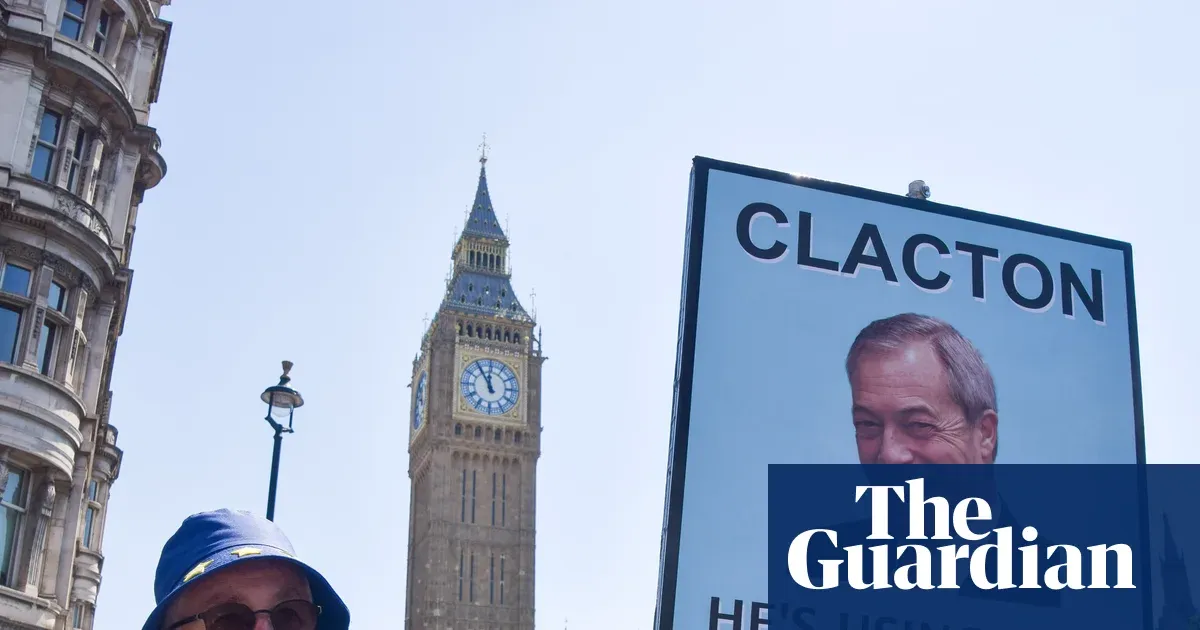
Labour MPs, acting through an all-party anti-corruption group, are canvassing support for four amendments to the Representation of the People Bill amid political funding reform. Their push next week includes a ban on cryptocurrency donations and much lower spending limits, with ministers pressed to tighten the bill.
Labour MPs are preparing to rebel next week over the government’s reforms to political funding, and they want one specific change that would hit modern campaign finance where it actually moves: they are pushing for a ban on cryptocurrency donations. The move sits alongside a broader ask for much lower spending limits, as Labour MPs on the all-party anti-corruption group seek to tighten the government’s plan through four amendments to the Representation of the People Bill.
In other words, this is not a vibes-based amendment. It is a direct attempt to reshape the rules for how parties raise and spend money in the middle of continuing scrutiny around political funding. The Labour MPs are canvassing support for those amendments now, signaling they think they have enough traction to force ministers to respond, or at least to put tighter constraints on the record before the bill moves.
To understand why the crypto ban is such a big deal, you have to appreciate how campaign finance fights usually break down. Regulators and lawmakers tend to focus on two pressure points: transparency (who gave what, and how that money can be traced) and limits (how much influence money can buy through spending). Cryptocurrency sits awkwardly in both buckets. Even when donors claim good intentions, the technology can make tracing and categorization harder in practice than traditional payment methods. So a crypto ban is, effectively, a compliance simplification tool. It reduces the odds of gray areas becoming the story instead of the campaign.
But the Labour MPs are not just swapping one controversial lever for another. They are pairing the crypto ban with much lower spending limits. That combination matters for strategy inside politics. Lower spending limits change the cost structure of campaigning, which can pressure large organizations and coordinated campaign operations, and it can shift the balance toward smaller, more efficient messaging efforts. In real board terms, it is like tightening a budget covenant and adding a new restriction on allowable revenue streams. It does not just reduce totals. It changes what kinds of operating models remain viable.
The underlying context, as the source frames it, is political funding controversies, including “Nigel Farage funding controversies.” The key point for executives and decision-makers is not the details of those controversies here, but the governance dynamic they create. When high-profile allegations swirl around parties and donors, lawmakers often respond by proposing reforms that promise cleaner processes. That is where the bill becomes a political accountability instrument. Labour MPs now arguing for tighter measures are essentially demanding that the reforms be harsher, not merely more polished.
The mechanism is legislative amendments. Labour MPs on the all-party anti-corruption group are canvassing support for four amendment proposals to the Representation of the People Bill. This is where influence can look subtle but often carries big consequences: even if you cannot rewrite the entire bill, four amendments can change how parties plan fundraising, how compliance teams build controls, and how regulators later interpret enforcement priorities.
There is also a second-order implication for companies and investors who watch politics as an ecosystem, not a separate universe. Funding rules ripple outward into vendor markets: compliance software, disclosure processes, campaign logistics, and ad-buying channels. When spending limits tighten, the demand for certain services can rise while others decline. When donation types are restricted, payment rails and donor onboarding processes may need to be re-engineered. Even if you are not a political party, you can be a contractor to campaigns, or an adviser who helps them stay inside the lines.
For peers in similar roles, the strategic stakes are straightforward: if ministers accept some or all of the tighter measures, political fundraising will move closer to a more restrictive compliance environment, and campaign spending strategy will adjust accordingly. If ministers resist, Labour MPs still have a path to keep the pressure on through amendments and a public record of dissent. Either way, next week is a test of whether the government’s reforms will be treated as enough, or whether the anti-corruption push forces a sharper pivot.
This story's Key Insights and Take-aways are locked.
Create a free account to unlock Executive Actions for one credit.
Register to UnlockAlways free for Executives Club members. Join the Club
More in Politics

Glacial collapse, not rain, killed 180 in Nepal's Himalayan flood
The Himalaya's extreme geography hid the true cause of Nepal's catastrophic flood, a glacial collapse that turned a geological battleground into a mass-casualty zone.

Iran’s Esmail Baghaei says Oman talks start shipping via Hormuz, not US talks yet
Temporary route plans with Oman aim to restart commerce while Tehran says Washington dialogue is not on the table.

Standards watchdog opens probe into Reform UK deputy leader Richard Tice over interests
The parliamentary standards commissioner says it began an investigation on 28 July into a possible undeclared interest.