
Labour's Abdi-Wali beats Green leader Polanski to hold Holborn seat
Labour holds Holborn as Green leader Polanski's high-profile challenge falls short.
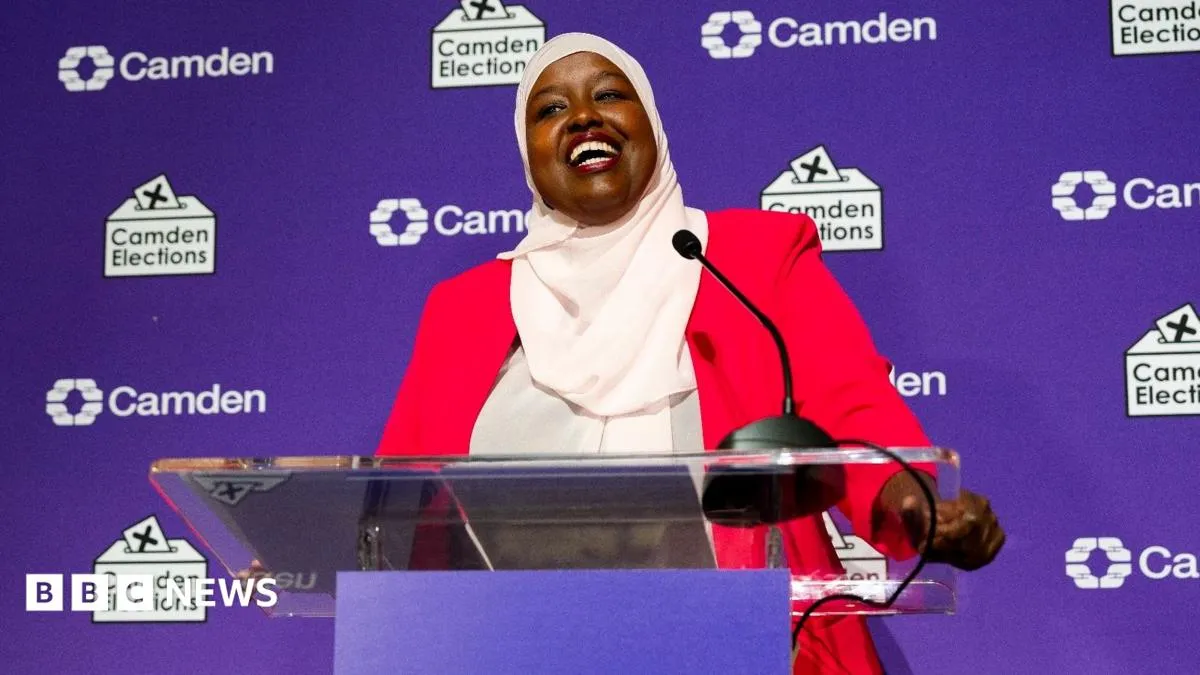
Labour's Sagal Abdi-Wali defeated Green Party leader Zack Polanski in the Holborn by-election, holding the north London seat for Labour. The result gives Labour a defensive win and raises questions about the Greens' ability to win Westminster seats under first-past-the-post.
Labour's Sagal Abdi-Wali defeated Green Party leader Zack Polanski in the Holborn by-election, holding the north London seat for Labour. The BBC reported the result as a straightforward hold, but the political context is anything but routine: by-elections are rare moments when voters can send a message to a governing party without changing the government, and this one arrived with Labour in power nationally and the Greens fielding their most prominent figure.
Polanski's decision to stand in Holborn was a statement of ambition. The Greens have built their modern influence through local councils, membership growth, and a policy agenda that has pushed Labour and the Liberal Democrats leftward on climate. But a parliamentary seat is a different game. Holborn has been a Labour stronghold for generations, and even a leader-level challenge could not dislodge the party's machine. For Labour, the hold is a relief; for the Greens, it is a data point about the ceiling of first-past-the-post politics.
The result will be read inside both parties as a signal. Labour's strategists can point to a clean by-election hold as evidence that the party's coalition has not yet cracked under the weight of governing. That matters because by-elections are often where mid-term discontent first becomes visible. A loss in a safe seat would have triggered a round of internal finger-pointing and media speculation about the leadership's direction. Instead, the party gets a quiet win, and the focus stays on the government's agenda rather than its survival.
For the Greens, the loss is more complicated. The party has struggled to convert its local strength into Westminster seats, and Holborn was another test of that ceiling. The decision to run its leader in a Labour stronghold was a bet that a recognizable national figure could break through in an urban, progressive constituency. That bet did not pay off in a parliamentary seat, but the campaign may still have organizational value. It forced the party to build a field operation in a London seat, and it gave voters a chance to see a Green leader on a national stage. The strategic question now is whether to keep investing in first-past-the-post seats or to concentrate on the proportional-representation arenas where the Greens have already made gains, such as the London Assembly and local councils.
By-elections in safe seats are often dismissed as foregone conclusions, but they carry outsized symbolic weight. A loss would have been a headline for weeks; a hold is a footnote. That asymmetry is why parties pour resources into them and why the result matters beyond the seat itself. For Labour, the win also removes a potential distraction. A defeat in Holborn would have given the opposition a ready-made attack line about a government losing touch with its base. Instead, Labour can argue that its core vote is intact, even as it navigates the inevitable compromises of power.
The by-election also offers a lens on the wider political landscape. Labour's hold in Holborn reduces the immediate narrative of a government in retreat. For businesses and investors watching the UK, that means less near-term political volatility and a slightly clearer runway for the government's policy agenda. At the same time, the result does not erase the Greens' broader momentum. The party has become a genuine force in local government and a persistent voice on climate policy, and its influence on the broader political conversation is undeniable. The parliamentary loss is real, but it is not a reversal of the party's rise.
For executives and boards, the practical takeaway is to watch by-elections as a leading indicator, not a verdict. A single seat rarely changes the balance of power, but it reveals the direction of travel. This result points to a Labour Party that can still defend its base, a Green Party that has not yet found a way to translate local strength into parliamentary seats, and an opposition landscape that remains fragmented. Those are useful signals for anyone planning around UK policy, regulation, or public sentiment.
The broader lesson is that political momentum is not linear. The Greens have built a strong local presence, yet their parliamentary footprint remains thin. Labour, meanwhile, is learning that holding power is different from winning it. By-elections are stress tests, and this one came back with a pass mark for Labour. The question for both parties is what they do with the result: Labour will want to convert stability into delivery, while the Greens will have to decide whether the path to Westminster runs through more Holborn-style challenges or through a different electoral system altogether.
This story's Key Insights and Take-aways are locked.
Create a free account to unlock Executive Actions for one credit.
Register to UnlockAlways free for Executives Club members. Join the Club
More in Politics
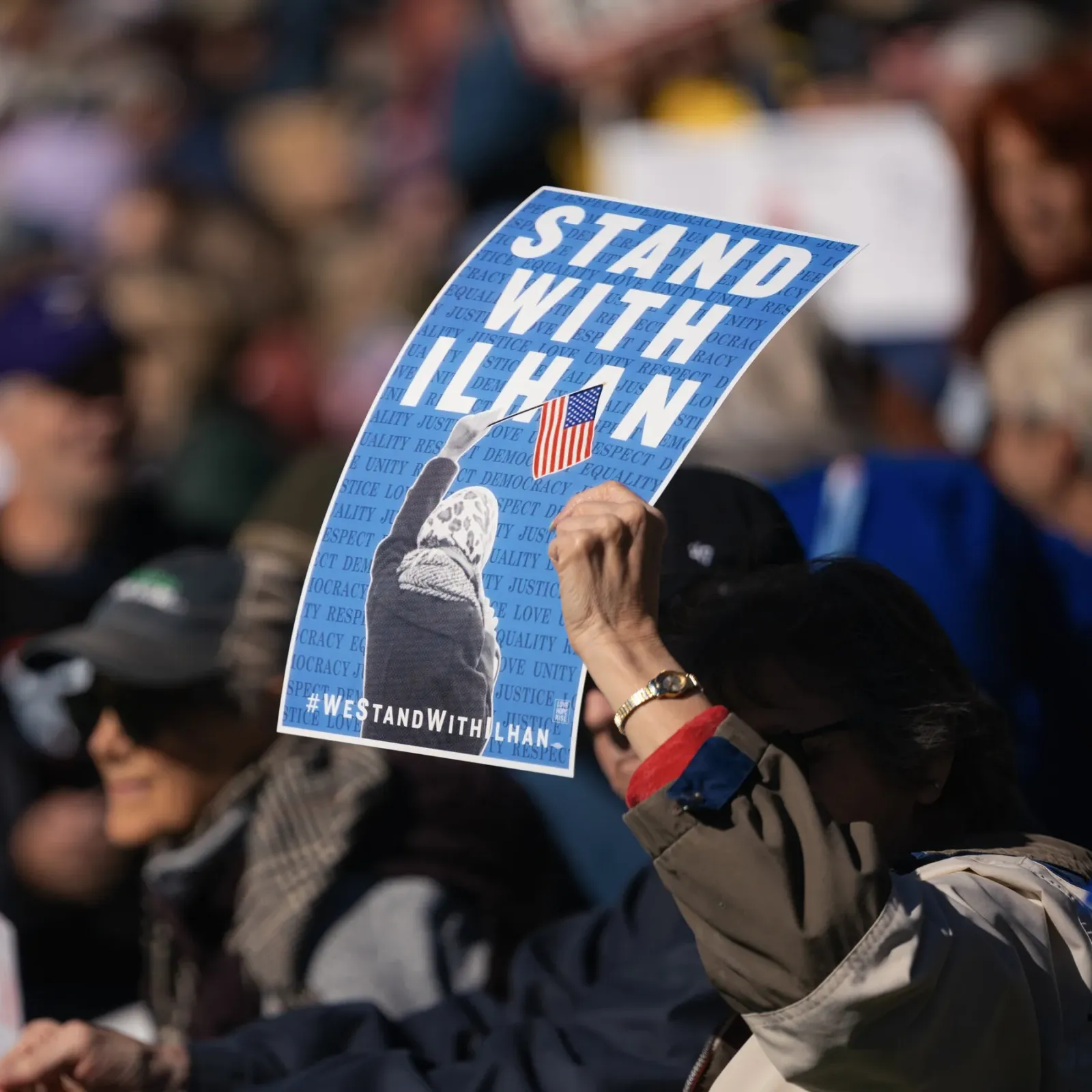
Obama Defends Ilhan Omar After Agents Search Her Home in Trump Inquiry
The former president's intervention raises the stakes in a federal probe into immigration paperwork that has put a prominent progressive lawmaker in the crosshairs.

Blair-era minister: cut welfare to fund youth job support
Alan Milburn's call for welfare cuts to fund employment support opens a Labour fight over benefits and the Neet crisis.
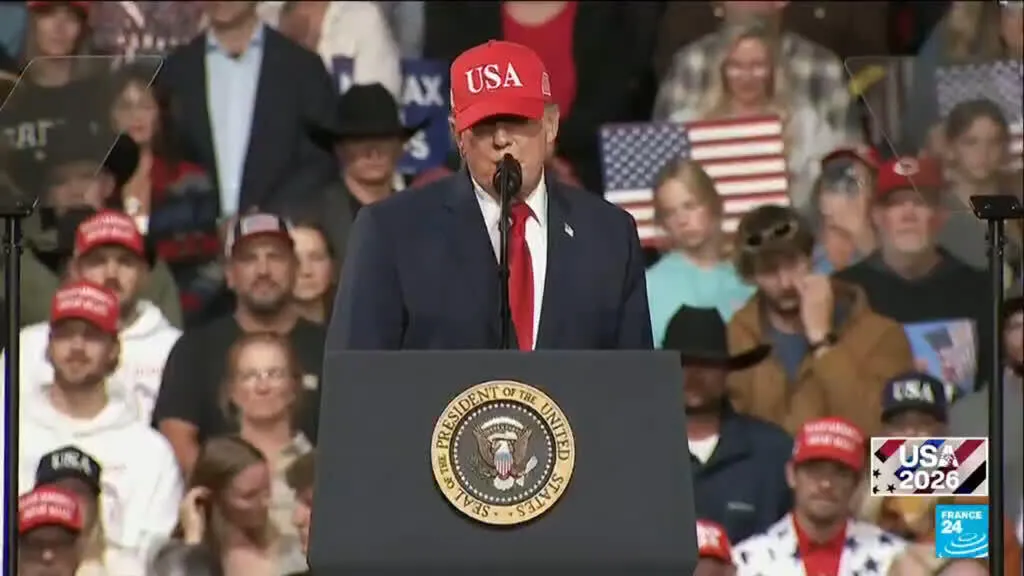
Hot September CPI: energy costs surge, voters feel the squeeze before midterms
The latest inflation print lands as Trump campaigns for GOP control of Congress, putting cost-of-living worries at the center of the midterm fight.