
Labour says Farage made a secret Reform return deal months before 2024 vote
The dispute centers on when Nigel Farage started planning his comeback to Reform UK, months earlier than he said.

Labour chair accuses Reform of operating with a “stench of sleaze” after reports that Nigel Farage struck a secret deal to return as leader of Reform UK months before the general election. The allegation hinges on a timeline conflict: discussions starting as early as March 2024 despite Farage claiming he had no intention to return before June 2024.
Labour has seized on a reported timeline conflict, accusing Reform UK of making “grubby pacts” after reports that Nigel Farage struck a secret deal to return as leader months before the 2024 general election. The charge is not just political theatre. It is about credibility, internal governance, and who gets to set the terms of leadership when a party (and its brand) is under pressure.
According to the Sunday Times, Farage was in discussions about a return to the political frontline from as early as March 2024. That matters because the same reporting describes a mismatch with Farage’s own claim that he had no intention of returning to politics until June 2024. Labour chair messaging frames the gap as an inconsistency, using language like a “stench of sleaze” to suggest the delay was performative and the planning was real.
To understand why this is resonating beyond the immediate headlines, you have to think like an institutional operator. Political parties behave less like hobby clubs and more like organizations with incentives. Leadership decisions determine media access, fundraising narratives, and coalition positioning. When someone signals a timeline publicly, donors and activists calibrate their expectations around it. So if the internal timeline starts earlier than what a prominent figure tells the public, the accusation becomes less about a date and more about trust.
There is also a governance angle. Labour is effectively arguing that Reform UK’s leadership process was not transparent, at least as portrayed by the reports. Even in party politics, timing and control are governance signals. A “secret deal” framing implies that key decisions were made in private, potentially before broader constituencies could react. That is the kind of story that spreads quickly because it is easy to map onto the reader’s lived experience in corporate life too: when something important is settled behind closed doors, the question becomes what else was settled that way.
And then there is the strategic media cycle. Contradictory reports on the timeline can turn into a credibility loop. If Farage’s stance was June 2024 but discussions began in March 2024, the press can keep revisiting the inconsistency until it becomes the story rather than any single policy platform. For Labour, that is a tactical win: even if voters are still deciding on issues, the narrative of “sleaze” can crowd out substantive debate. For Reform, it is a risk to brand integrity at exactly the moment when leadership optics can influence membership enthusiasm and voter perception.
It is worth noting how Labour chose its language. Calling something a “stench of sleaze” is an attempt to moralize the governance question. That is not neutral framing. It signals that, in Labour’s view, the problem is not only that decisions happened, but that they happened in a way that violates norms of honesty and fair dealing. When campaigns use that kind of rhetoric, they are often aiming to create pressure for accountability, because journalists and opponents will ask for explanations. Those explanations, whether or not they resolve the “contradictory reports,” can still shape the political environment.
In a different world, this would be the equivalent of an internal dispute about when a key board member decided to re-enter leadership talks, while publicly claiming they were stepping away. Organizations then face second-order effects: internal factions harden, external stakeholders lose patience, and the cost of rebuilding trust rises. In politics, the cost is measured in votes, donations, and momentum rather than margins. But the mechanism is similar.
For executives and board members watching from outside politics, the lesson is painfully transferable. The public timeline you state is part of your governance architecture. If later reporting suggests the private timeline diverged, you do not just deal with one question. You deal with a broader erosion of legitimacy. Labour’s current narrative puts Reform’s leadership process under a microscope, and that microscope can follow the party through every subsequent decision, from candidate selection to campaign strategy, as supporters and opponents alike ask what was decided when.
At the center of this story are three concrete ingredients: Labour’s accusation, the reported claim that Farage struck a secret deal for a leadership return, and the specific timeline conflict between March 2024 discussions and a public claim of no intention to return until June 2024. Whatever the final accounting ends up being, decision-makers in similar roles should treat the episode as a reminder that credibility is a time-sensitive asset. Once the timeline is contested, it can take more than policy to win back confidence.
This story's Key Insights and Take-aways are locked.
Create a free account to unlock Executive Actions for one credit.
Register to UnlockAlways free for Executives Club members. Join the Club
More in Politics
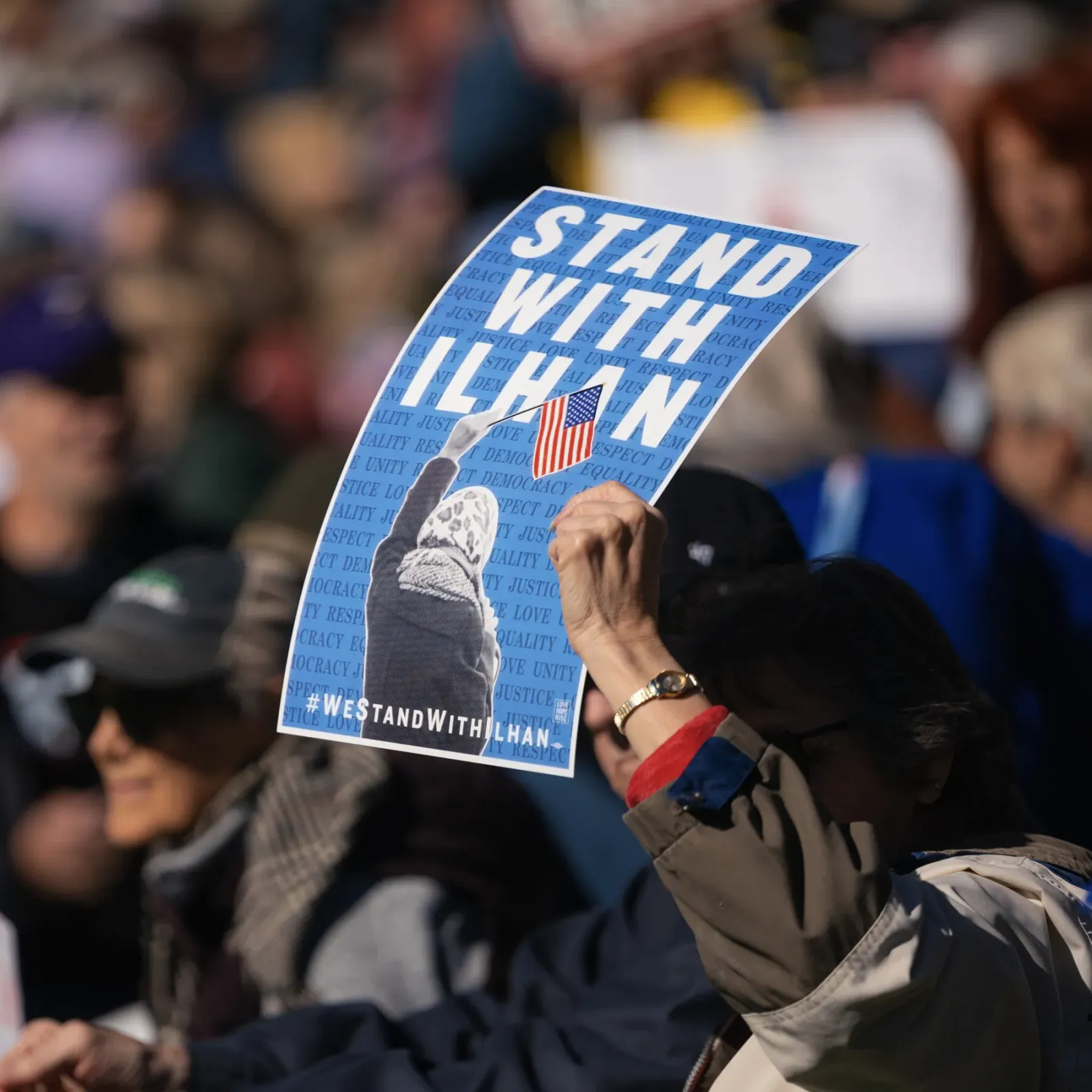
Obama Defends Ilhan Omar After Agents Search Her Home in Trump Inquiry
The former president's intervention raises the stakes in a federal probe into immigration paperwork that has put a prominent progressive lawmaker in the crosshairs.
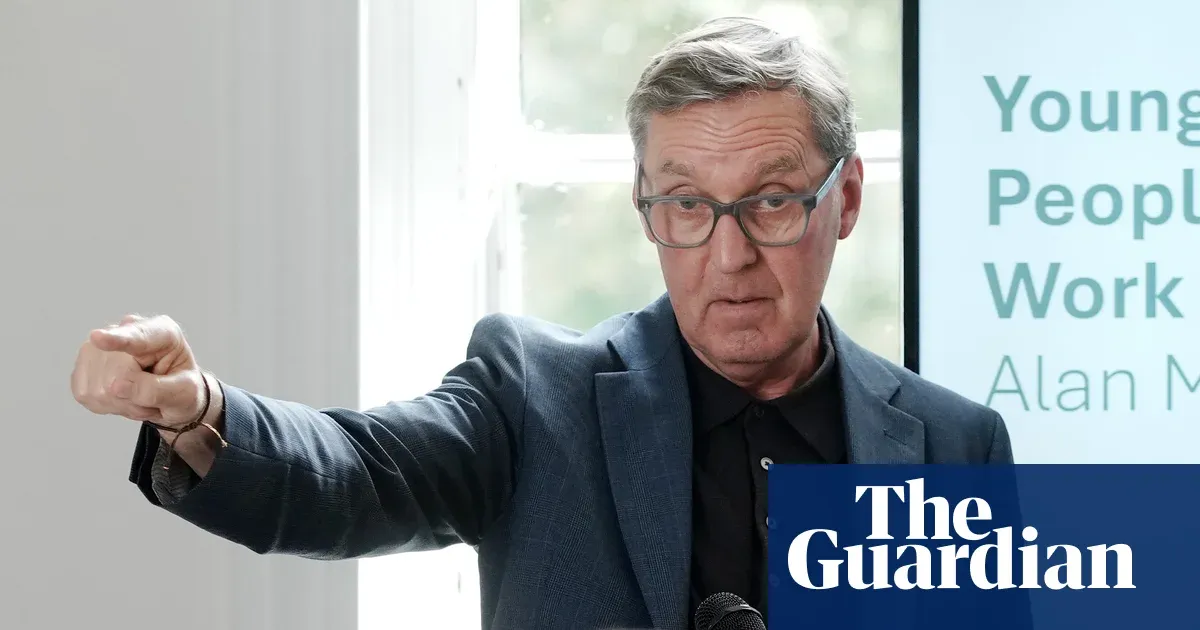
Blair-era minister: cut welfare to fund youth job support
Alan Milburn's call for welfare cuts to fund employment support opens a Labour fight over benefits and the Neet crisis.
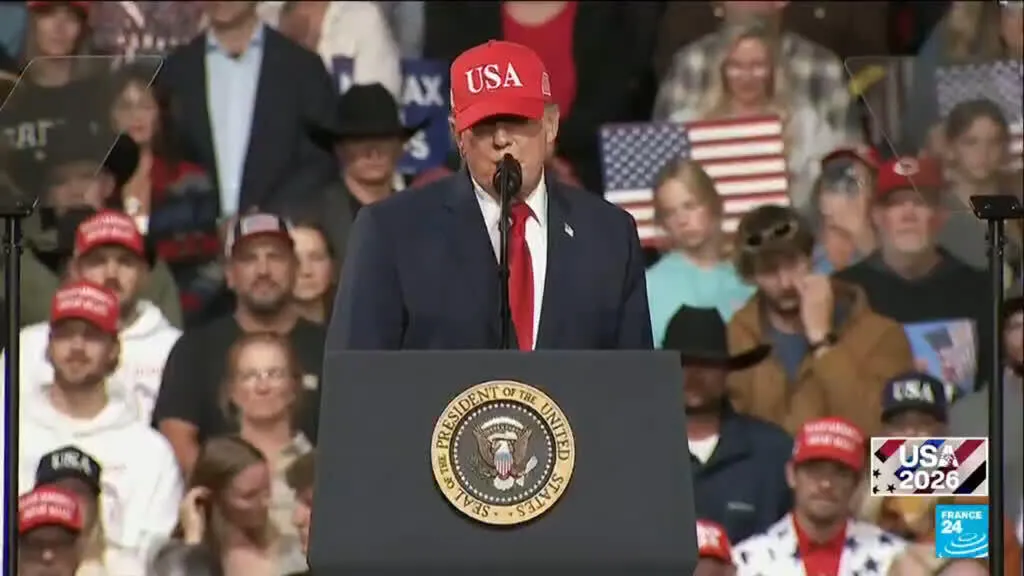
Hot September CPI: energy costs surge, voters feel the squeeze before midterms
The latest inflation print lands as Trump campaigns for GOP control of Congress, putting cost-of-living worries at the center of the midterm fight.