
Lankford warns Senate GOP won't recess unless it passes 3 priorities, including voter ID
James Lankford says the party will keep pushing past the end-of-week recess if its legislative checklist does not clear.

Sen. James Lankford (R-Okla.) says Senate Republicans will keep going and delay their planned end-of-week recess if they cannot pass three top legislative priorities, including voter ID. The immediate consequence for decision-makers is a compressed legislative window that could move election policy faster than calendars suggest.
Sen. James Lankford (R-Okla.) says the Senate Republican Conference will not simply hit the snooze button on its planned recess. Instead, he argues the GOP will “keep going” if it cannot pass three legislative priorities before the recess begins at the end of this week, with one of those priorities being voter ID legislation.
Lankford’s core message, delivered during an appearance on “Fox News Sunday,” is that timing is not a side quest here. It is leverage. The Senate GOP has identified three top priorities, and Lankford is explicitly tying the chamber’s calendar to whether those priorities can get through. That means if lawmakers fall short, the recess plan is on the table.
Why should anyone outside the political bubble care? Because election administration and election-related rules are not just “policy debates.” They are operational constraints for businesses, platforms, and organizations that touch voting systems, communications, and compliance. Rules on voter eligibility and access can cascade into everything from how civic data is handled to how vendors prepare for peak periods. When a legislature tries to compress the timeline, the downstream effect is often rushed implementation planning, shifting compliance timelines, and renewed scrutiny from stakeholders who want clarity before deadlines hit.
This is also a reminder of how recess planning works inside the Senate. Legislators face real tradeoffs between returning home to campaign or fundraise and staying in town to grind through amendments and procedural hurdles. A planned recess starting at the end of this week is not unusual. What is unusual is tying that recess to a specific legislative scorecard. Lankford’s position signals that Senate Republicans are trying to prevent legislative momentum from dissipating just because the chamber is scheduled to break.
The “three legislative priorities” frame matters because it clarifies that this is not a generic complaint about process. Lankford, representing Oklahoma, says the Senate Republican Conference has a list. One item on that list is voter ID. Voter ID proposals, for context, typically sit at the intersection of election integrity arguments and voting access concerns. Supporters often argue these measures reduce fraud or improve verification. Opponents often argue they can create barriers for eligible voters. Either way, when the debate is active at the legislative level, organizations that rely on stable electoral processes start watching the calendar like markets watch earnings.
Lankford’s remarks land in a moment when political negotiations often hinge on whether leaders decide to invest political capital in time-consuming floor action. Delaying recess can raise the cost of failure. If you keep the chamber in session but do not move your priorities, you do not just lose time. You also risk internal frustration among members who want to return home. The strategy only works if leadership believes it can actually bring key bills to a vote and potentially to passage.
There is another second-order angle here: the signaling effect. When a senator publicly connects the recess decision to whether priorities are passed, he increases the pressure on colleagues and leadership teams to make the path through the procedural maze more likely. That can change how negotiations are conducted behind the scenes, including which amendments are prioritized and what compromises are floated. In practical terms, public linkage of schedule and legislative output can harden bargaining positions or, conversely, accelerate deal-making to avoid the political fallout of an unfinished agenda.
For peers across governance roles, this is the strategic stake to watch. Lankford is not just talking about what the Senate might do. He is describing a conditional commitment: if the party cannot pass its top priorities before recess begins, the GOP’s plan to recess at the end of the week becomes less certain. For executives who track regulation cycles, the takeaway is straightforward. Election-policy timelines can move abruptly when leaders decide the calendar is part of the strategy. If voter ID and the other two priorities remain unresolved, the legislative window could extend, tightening the time available for stakeholders to prepare for whichever direction the chamber moves next.
Ultimately, Lankford is drawing a line between politics and scheduling. The Senate GOP’s three-item checklist, and voter ID in particular, is driving the decision whether the chamber takes its planned break. That is a real clock, and it is moving.
This story's Key Insights and Take-aways are locked.
Create a free account to unlock Executive Actions for one credit.
Register to UnlockAlways free for Executives Club members. Join the Club
More in Politics
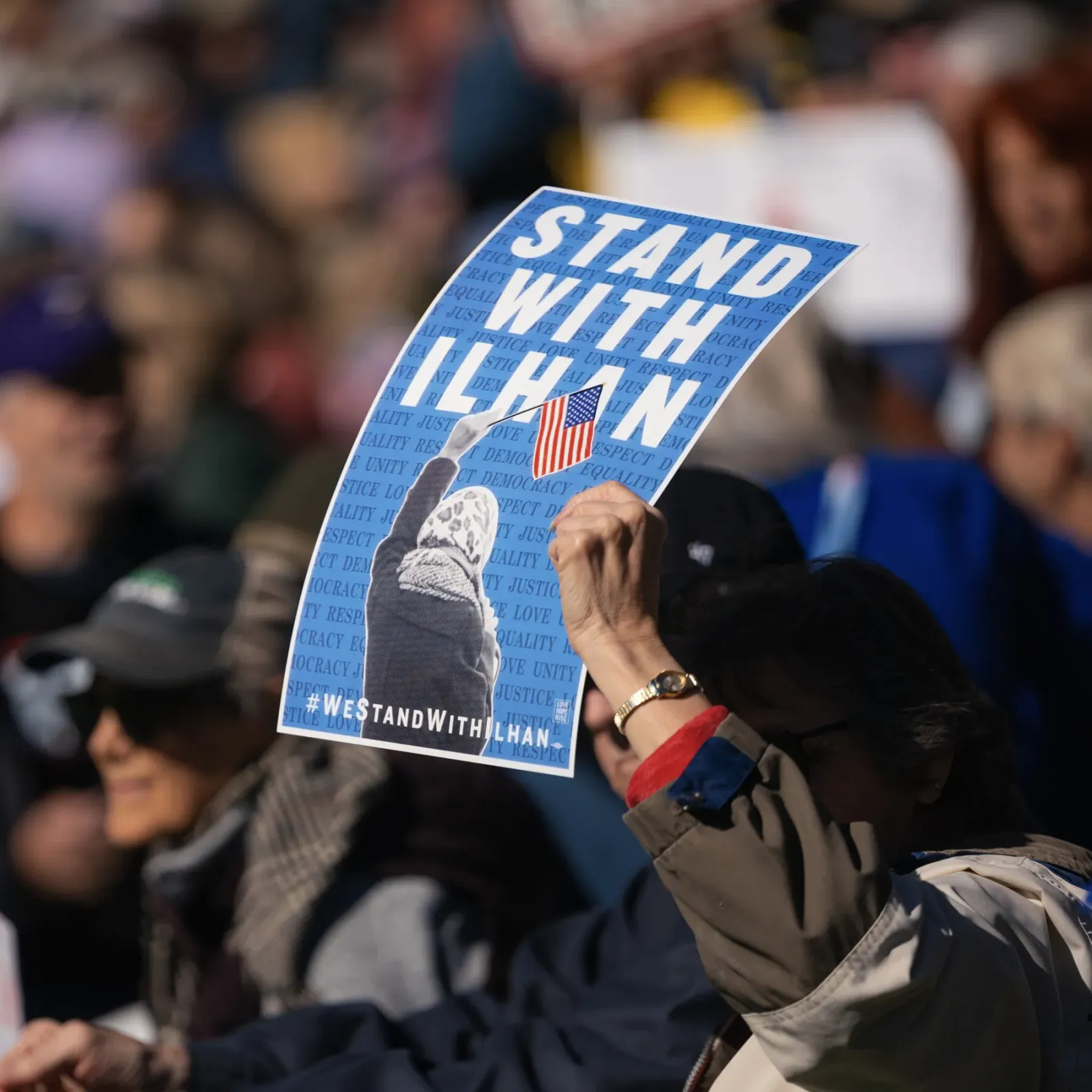
Obama Defends Ilhan Omar After Agents Search Her Home in Trump Inquiry
The former president's intervention raises the stakes in a federal probe into immigration paperwork that has put a prominent progressive lawmaker in the crosshairs.

Blair-era minister: cut welfare to fund youth job support
Alan Milburn's call for welfare cuts to fund employment support opens a Labour fight over benefits and the Neet crisis.
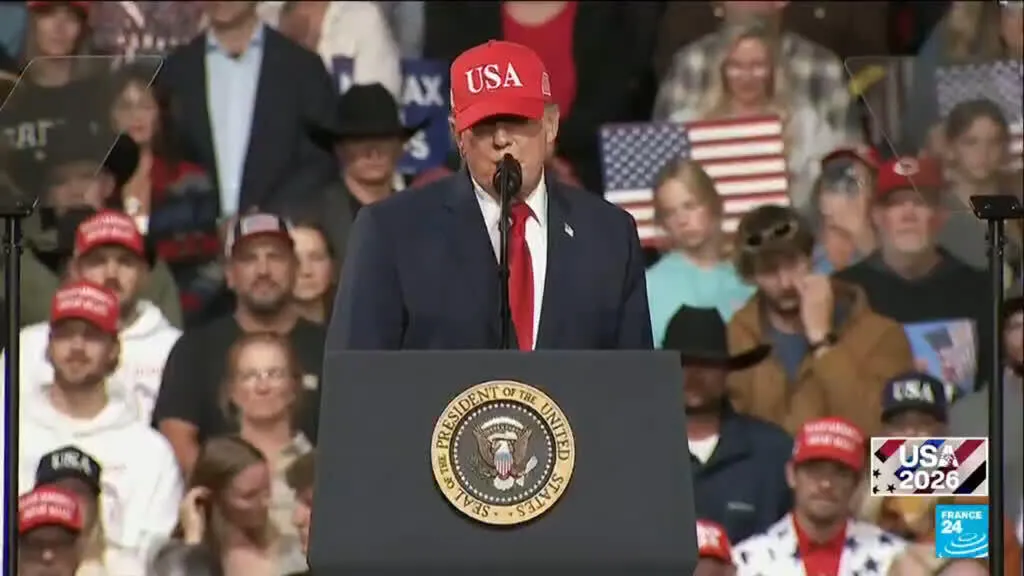
Hot September CPI: energy costs surge, voters feel the squeeze before midterms
The latest inflation print lands as Trump campaigns for GOP control of Congress, putting cost-of-living worries at the center of the midterm fight.