

Learnmore Jonasi fends off $27 million “Lion King” joke suit, seeks legal fees
A comedian’s “Circle of Life” chant translation trigger lawsuit, and the counter-swing is about costs, not punchlines.

Comedian Learnmore Jonasi was sued over his comedic translation of the chant in “Circle of Life,” according to Rolling Stone. The fight now centers on whether the case is frivolous and what that could mean for future creative-licensing risk.
Comedian Learnmore Jonasi is fighting back against a $27 million lawsuit tied to a “Lion King” joke, and his next move is not just to survive the claim. He says he will seek legal fees, turning the spotlight from the punchline back to the price of bringing the lawsuit in the first place.
At the center of the dispute is Jonasi’s comedic translation of the chant in “Circle of Life.” Rolling Stone reports that Jonasi was sued for that translation, framing it as an overreach and setting up a classic question that matters well beyond comedy writers and meme accounts: when does a creative remix become something legal teams treat like a full-blown infringement problem?
To understand why a $27 million figure gets attention, it helps to know how these disputes typically escalate. Intellectual property cases, especially those involving famous copyrighted material, often attract big numbers because the stakes are not limited to one paycheck or one performance. Plaintiffs can seek substantial damages, and defendants face the very real risk of expensive litigation even if they ultimately win. That is one reason legal-fee requests carry weight. If a court views the case as “frivolous” or otherwise not worth the resources spent, the financial tail can whip back toward the party that filed.
For executives, the practical takeaway is uncomfortable but useful: litigation risk in entertainment and media does not always track with how “small” the creative act feels. A chant translation can look like harmless parody, but the legal framing can still treat it as the unauthorized use of recognizable expression. That mismatch between audience perception and legal characterization is where brands and creators can get blindsided. Even when the underlying work is transformative or comedic, the procedural reality is that courts and opposing counsel may analyze similarity, access, and whether the use fits within exceptions like parody or fair use. Those arguments are fact-heavy and time-consuming, which is exactly what makes cost-control strategies matter.
There is also a governance angle. Many boards and in-house counsel teams have to decide how aggressively to litigate versus settle, even when the company is not the direct target. A comedian’s case may sound like it belongs in the culture column, but the ripple effect can influence policy for everyone who licenses, produces, or distributes content that touches major franchises. Studios and rights holders typically maintain strict enforcement postures around their most recognizable IP. That approach is designed to deter casual copying and to protect licensing leverage. But it can also create a climate where creators over-filter their own material to avoid legal drag, which can quietly shape what gets made and shared.
Jonasi’s decision to seek legal fees signals a second-order battle mode. Instead of only arguing the merits, the defense is also challenging the reasonableness of the lawsuit itself. This matters because it can shape how future plaintiffs evaluate their odds. If courts more often shift costs toward losing claimants, the expected value of filing a copycat or theory-stretching case can drop. In creative industries, where volumes of remix content are constant and the line between homage and infringement is fuzzy to non-lawyers, that expected-value shift can be a real behavioral lever.
The competitive stakes extend to media platforms and partners too. If remix-like content tied to blockbuster properties can trigger sweeping claims, platforms may raise moderation thresholds, and marketing teams may become more conservative about using recognizable motifs, lyrics, or chant-like phrasing. That is how a single lawsuit can turn into a broad operational change without anyone explicitly setting out to redesign a content pipeline. The first-order dispute is about Jonasi’s translation. The second-order concern is how rights holders and litigators interpret creative derivative work across the ecosystem.
For executives, the key is not that everyone should stop making jokes, or that legal risk is always survivable. The key is that the cost of a creative misread can be enormous, as the $27 million headline figure underscores, even when the alleged wrong is a joke. Jonasi’s case is a reminder to treat “small” creative inputs as legal inputs, especially when they touch the most recognizable assets in pop culture. And if his effort to seek legal fees gains traction, it could signal that the industry is getting a little less tolerant of expensive, aggressive claims with thin footing.
This story's Key Insights and Take-aways are locked.
Create a free account to unlock Executive Actions for one credit.
Register to UnlockAlways free for Executives Club members. Join the Club
More in Business
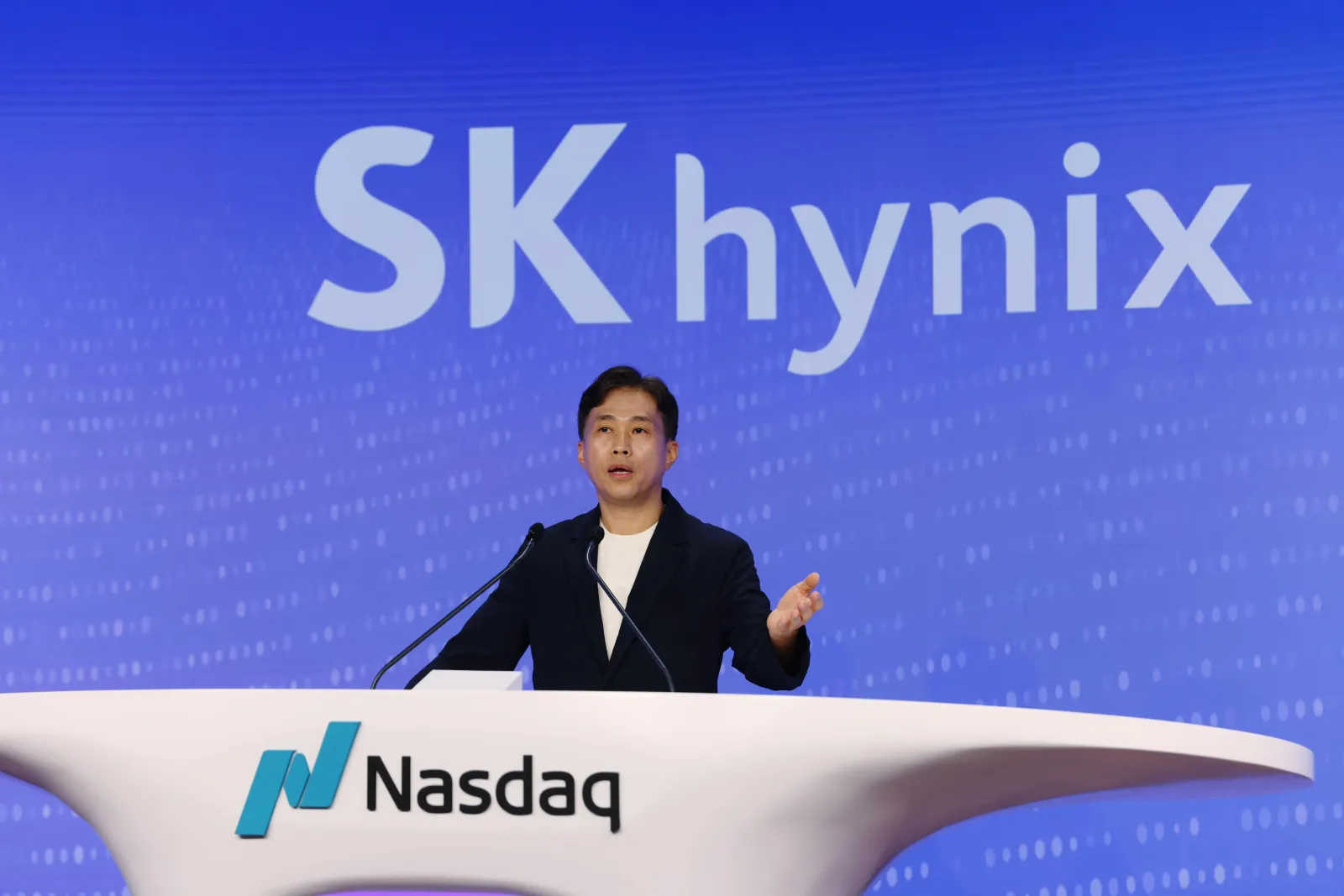
SK Hynix opens at $170, raises $26.5B, and tops foreign IPO records
In Friday's Wall Street debut, SK Hynix turns AI RAM demand into a $26.5B fundraising moment that rewrites comps.

China lands a reusable Long March booster, a first that matches SpaceX and Blue Origin
A barge landing and net-based recovery move China from theory to proof, reshaping the reusability race and satellite ambitions.

AstraZeneca $27B wipeout as Wainua late trial misses cardiovascular target
A failed late-stage heart study triggered a swift market punishment, forcing investors and boards to reset timelines and risk.