
Lebanon-Israel deal makes Hezbollah disarmament the impossible condition for withdrawal
A pact tied to Hezbollah disarmament risks locking Israel into an open-ended southern presence instead of ending the war.
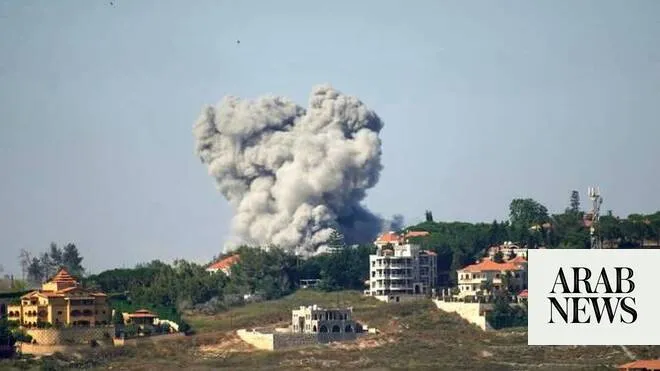
Regional analysts warn the Lebanon-Israel security deal, signed in Washington, ties Israel's pullout from southern Lebanon to Hezbollah disarmament. The structure pressures Lebanon to meet obligations it cannot enforce, while giving Israel political cover to stay.
A security deal between Israel and Lebanon risks entrenching a stalemate, not resolving the underlying conflict with Hezbollah, because it ties Israel’s withdrawal from southern Lebanon to Hezbollah’s disarmament. Multiple analysts and politicians quoted in the report argue that condition is unattainable in practice, leaving Israel with a path to keep a long-term military presence.
At its core is a bargain few see as workable. Hezbollah has flatly rejected disarmament, and no Lebanese government has the power to enforce it. That mismatch is the whole problem, and it is why the deal could freeze the war’s political logic even if fighting pauses.
Here is how the deal’s incentives shake out. The framework signed in Washington affirms Israel has no claim to Lebanese territory and makes Lebanese army authority in the south contingent on the verified disarmament of non-state armed groups, including Hezbollah. In plain English: the Lebanese state gets more authority only if Hezbollah’s weapons disappear. But if Hezbollah will not disarm, then Lebanese army “authority” becomes a switch that never turns on.
That design matters because it shifts leverage in one direction. Political analysts say the agreement places sweeping obligations on Lebanon but does not provide a reciprocal guarantee of Israeli withdrawal. Michael Young, a Beirut-based analyst, said “This agreement has put all the burden on Lebanon” and added that it “creates a structure that allows the Israelis to remain (in southern Lebanon) indefinitely.” In other words, the deal can be technically “in motion” while the end state never arrives.
Other experts argue the geography and timing of withdrawal turn into a diplomatic trap. Fawaz Gerges, a Lebanese scholar at the London School of Economics and Political Science, said the deal was “born dead” and is structurally flawed, hinging on a condition impossible to meet in practice. Gerges said Israel had already consolidated a buffer zone in southern Lebanon about eight to 10 km (five to six miles) deep, while tying any future withdrawal to Hezbollah’s disarmament. If the buffer zone becomes long-term, it could gain diplomatic legitimacy, which Gerges described as a political “gift” to Israel.
The deal also collides with Lebanon’s internal governance model. The framework asks a fragile sectarian state to confront the most powerful armed faction in the country. The report notes that Lebanon’s post-civil war system is built on power-sharing rather than coercion, meaning the state is not set up to compel a disarmament outcome against Hezbollah’s entrenched military capacity. A senior Lebanese politician, who declined to be named, described the arrangement as “not an agreement, it is an imposed settlement.” He argued the Lebanese army was neither structured nor equipped to disarm Hezbollah, and that expecting it to do so ignores both Hezbollah’s capacity and the sectarian balance Lebanon relies on.
The politics on all sides reinforce the deadlock. The report says Lebanese President Joseph Aoun welcomed the agreement as a first step toward restoring Lebanon’s sovereignty, saying it should allow Lebanese people to return to fully liberated land. Parliament Speaker Nabih Berri said it amounted to an “agreement of dictates, not one that preserves Lebanon’s rights” and said it would not be implemented. Hezbollah’s chief Naim Qassem declared the deal “null and void” and a “surrender,” and said the group would keep fighting until Israel is forced to leave. Hezbollah lawmaker Hassan Fadlallah warned of “internal conflict” in Lebanon, and Young said the deal “won’t lead us anywhere except to civil conflict, and maybe an insurrection by the Shiite (Muslim) community.”
Beyond Lebanon, analysts say the conflict’s role in broader US-Iran diplomacy further shapes what is feasible. The report notes that the conflict in Lebanon has been central to diplomacy toward ending the wider US-Iran war, and that Washington’s deliberate decoupling of the conflicts gave Israel greater freedom of action in Lebanon.
Meanwhile, Israel’s stated position leans toward permanence unless Hezbollah is disarmed. Netanyahu portrays the deal as a historic achievement that could lead to broader peace, even as Israeli troops remain deployed in a so-called security zone. On Saturday, Netanyahu said, “We will continue to hold it (territory in the security zone) until Hezbollah and other terrorist organizations are disarmed, and until no further threat to Israel is posed from Lebanon.” The report also notes three senior Israeli officials said Israel has little faith in Lebanon’s ability to disarm Hezbollah but sees the deal as a vital diplomatic step toward building peace with Lebanon in the long run.
The report’s analysts go further, arguing that “implementation” may never be the point. Danny Citrinowicz, a regional analyst and former Israeli military intelligence officer, said Hezbollah’s dismantlement was “something that would never happen” and that the deal effectively legitimized an open-ended Israeli military presence: “Nothing will happen. Israel won’t withdraw, and Hezbollah won’t dismantle.” He added that no Israeli prime minister has domestic political space to withdraw while Hezbollah is still armed and northern Israeli communities remain displaced. A narrower pact, he said, focused on Hezbollah’s pullout from south of the Litani River, expanded Lebanese army deployment, and an extension of state authority would have stood a better chance.
Pro-Hezbollah analyst Mohammed Obeid said the deal was unlikely to be implemented, adding that its provisions were “like explosives,” capable of detonating Lebanon’s internal stability because the provisions hinge on state action to disarm Hezbollah. For executives and board members watching geopolitical risk, the second-order takeaway is straightforward: when a security framework ties political legitimacy to an outcome one side has already rejected, the default becomes indefinite tension. That is a business risk multiplier, not a peace plan.
This story's Key Insights and Take-aways are locked.
Create a free account to unlock Executive Actions for one credit.
Register to UnlockAlways free for Executives Club members. Join the Club
More in Politics
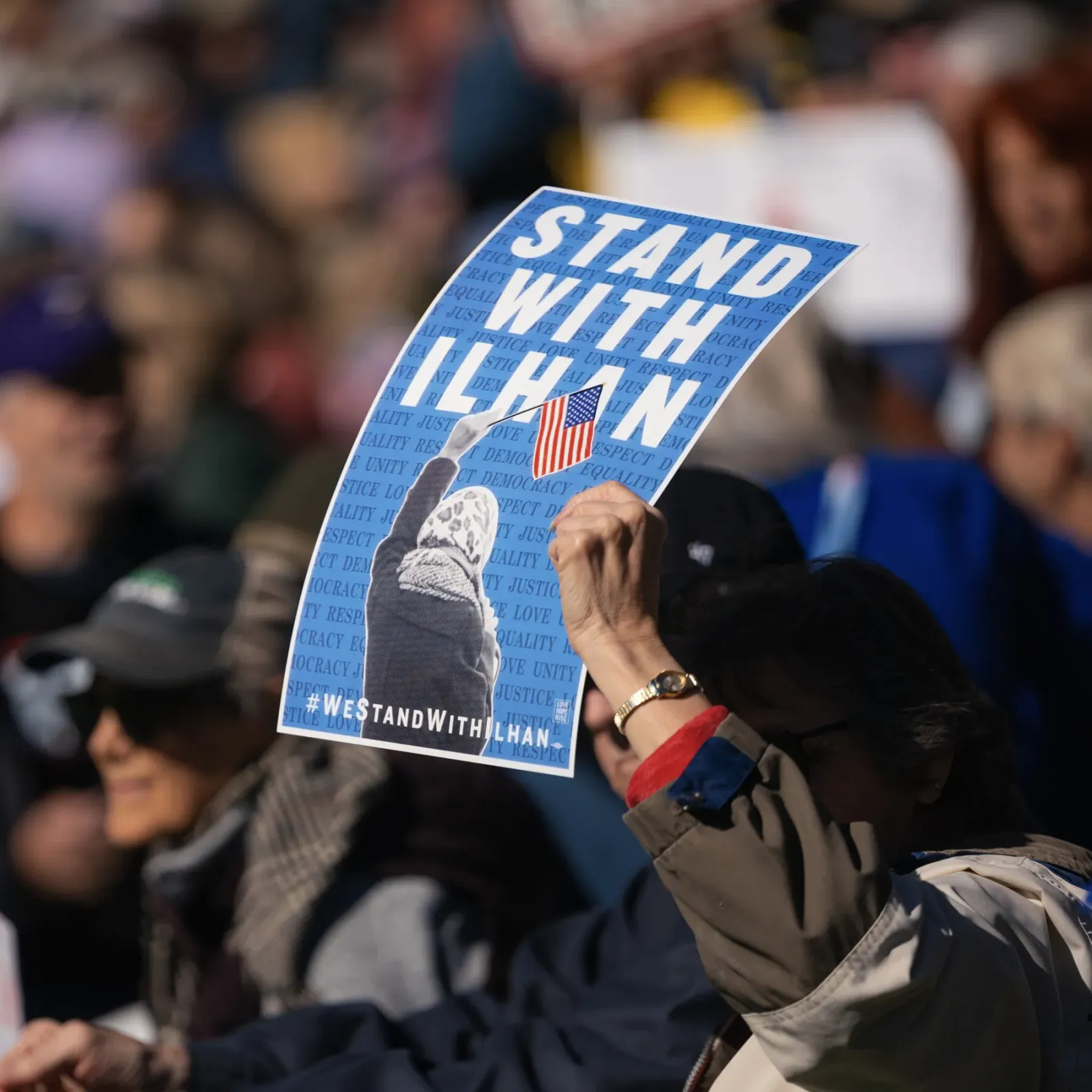
Obama Defends Ilhan Omar After Agents Search Her Home in Trump Inquiry
The former president's intervention raises the stakes in a federal probe into immigration paperwork that has put a prominent progressive lawmaker in the crosshairs.

Blair-era minister: cut welfare to fund youth job support
Alan Milburn's call for welfare cuts to fund employment support opens a Labour fight over benefits and the Neet crisis.
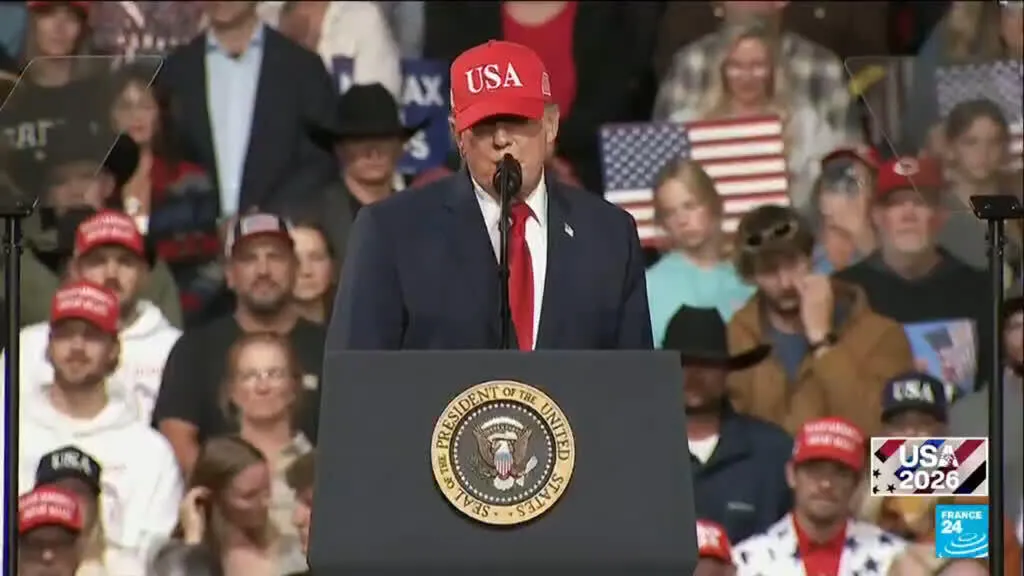
Hot September CPI: energy costs surge, voters feel the squeeze before midterms
The latest inflation print lands as Trump campaigns for GOP control of Congress, putting cost-of-living worries at the center of the midterm fight.