

Lina Khan Warns Paramount Merger 'Facially Illegal' as States Mull Settlement
Former FTC chair's warning lands as California AG weighs behavioral remedies over divestments in $110B Warner Bros. Discovery deal.
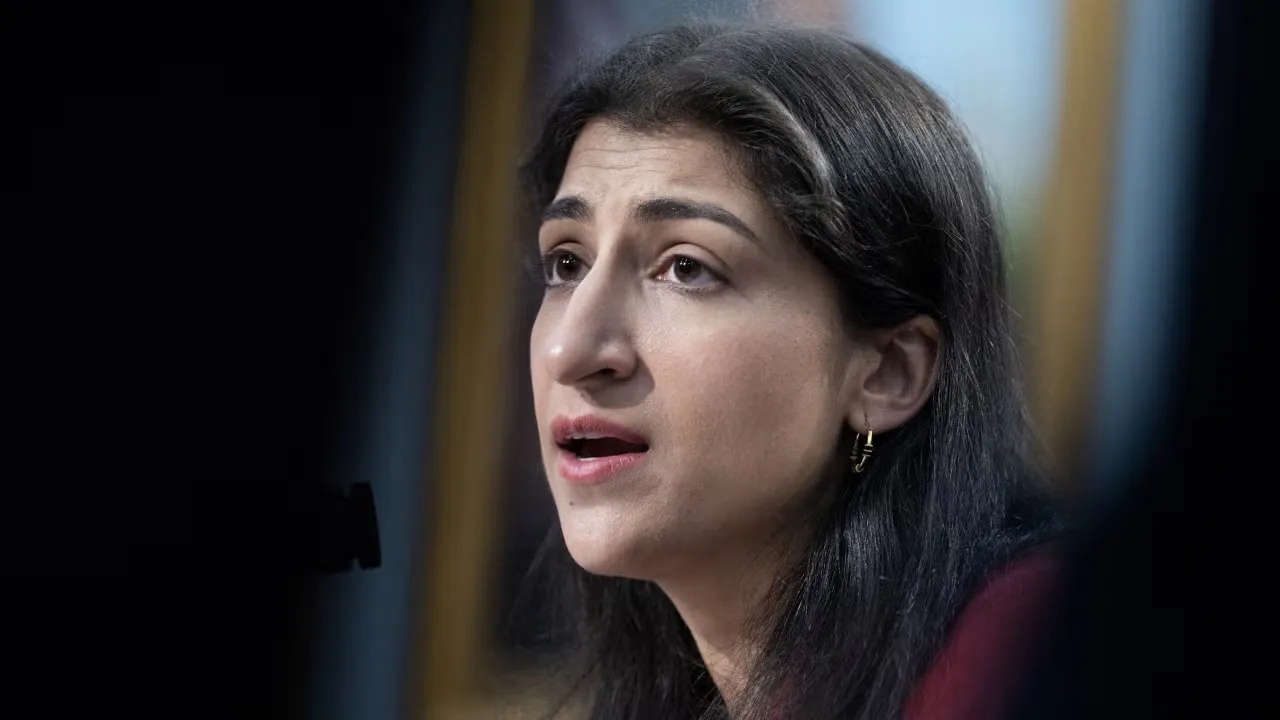
Former FTC chair Lina Khan publicly opposed settlement talks between California AG Rob Bonta and Paramount Skydance, calling the $110 billion Warner Bros. Discovery merger 'facially illegal' and warning that behavioral remedies routinely fail. The states' lawsuit remains the final regulatory hurdle, and Khan's intervention adds pressure on Bonta to pursue structural divestments instead of promises.
Lina Khan, the former Federal Trade Commission chair who became the face of aggressive antitrust enforcement under President Biden, is now publicly warning that the proposed $110 billion Paramount Skydance and Warner Bros. Discovery merger "seems facially illegal" - and she is urging state attorneys general not to settle for weak promises. In a social media statement Sunday, Khan directly addressed California Attorney General Rob Bonta and the 12 states suing to block the deal, calling reports of settlement talks "troubling" and arguing that "behavioral remedies routinely fail." Her intervention lands at a critical moment: Bonta has said he is open to settling, but only with structural remedies like divestments, not the kind of behavioral pledges Paramount has floated, such as committing to release 30 films in theaters annually.
The stakes could not be higher for the media landscape. Khan's warning is not just a legal opinion - it is a signal to every executive watching this deal that the political and regulatory climate around consolidation has shifted. She wrote that "a strong democracy requires open markets for sound journalism and creative expression," framing the merger as a threat to the very fabric of independent media. The states' lawsuit is the final regulatory hurdle standing between Paramount and the closing of this massive transaction, after the current FTC, led by Trump appointee Andrew N. Ferguson, declined to challenge it. That makes Bonta's next move the single most consequential decision in the deal's fate.
Khan's track record gives her words weight. As FTC chair from 2021 to 2025, she spearheaded a wave of antitrust actions against Big Tech and pushed to block mergers she argued would harm competition. Her tenure redefined how regulators think about market power, moving beyond narrow price-based analysis to consider impacts on workers, innovation, and democratic institutions. Now, as a private citizen, she is using her platform to influence a deal that could reshape Hollywood. Her point about behavioral remedies is grounded in decades of antitrust history: companies often promise to behave, but without structural separation, those promises are notoriously hard to enforce and easy to circumvent.
The merger itself is already under intense scrutiny. Paramount Skydance and Warner Bros. Discovery are two of the biggest names in entertainment, combining studios, streaming services, and broadcast networks. The 12-state lawsuit, led by Bonta, argues the deal would concentrate too much power in the hands of a few media giants, stifling competition and harming consumers and workers. The Block the Merger coalition, backed by the Future Film Coalition, has organized protests in Los Angeles, New York, and outside Bonta's office in Oakland. High-profile critics include Senator Elizabeth Warren and actor Mark Ruffalo, both of whom have amplified concerns about media consolidation.
For executives and boards across media and tech, this fight is a preview of what happens when regulatory scrutiny outpaces political will. The FTC's decision not to challenge the deal does not end the story - state attorneys general have emerged as powerful independent enforcers, and they are not afraid to act. Bonta's public openness to a settlement, but only with structural remedies, suggests he is trying to thread a needle: he wants to extract real concessions without killing the deal entirely. But Khan's intervention raises the political cost of any compromise that looks like a slap on the wrist.
The broader implication is that "behavioral remedies" - promises to behave in certain ways - are increasingly viewed as inadequate by regulators and advocates. This is a shift that should worry any company planning a major acquisition. If states start demanding divestitures as the price of approval, dealmakers will need to rethink their integration strategies from day one. The Paramount case could set a precedent for how state AGs approach media mergers, and possibly beyond.
For now, all eyes are on Bonta. He has not yet made a final decision, and the pressure is mounting from both sides. Khan's statement concludes with a direct appeal: "The states were right to step up, and I hope they keep fighting to protect this market, its workers, and the millions of Americans who value a free press and a vibrant film industry." Whether Bonta listens will determine not just the fate of this $110 billion deal, but the future of antitrust enforcement in the entertainment sector. Executives in any industry should watch closely - because the playbook for blocking mergers just got a powerful new chapter.
This story's Key Insights and Take-aways are locked.
Create a free account to unlock Executive Actions for one credit.
Register to UnlockAlways free for Executives Club members. Join the Club
More in Business

Royal Caribbean just spent $3B to own half of Sandals
The cruise giant is buying a 50% stake in the all-inclusive resort chain for $3 billion, a bet that land-based vacations are the next growth engine.

Paramount's Ellison: Merger Clearance Done, WBD Deal by Oct 1
David Ellison says the Paramount-WBD merger has full clearance after settling with state AGs, clearing the path for an October 1 close.
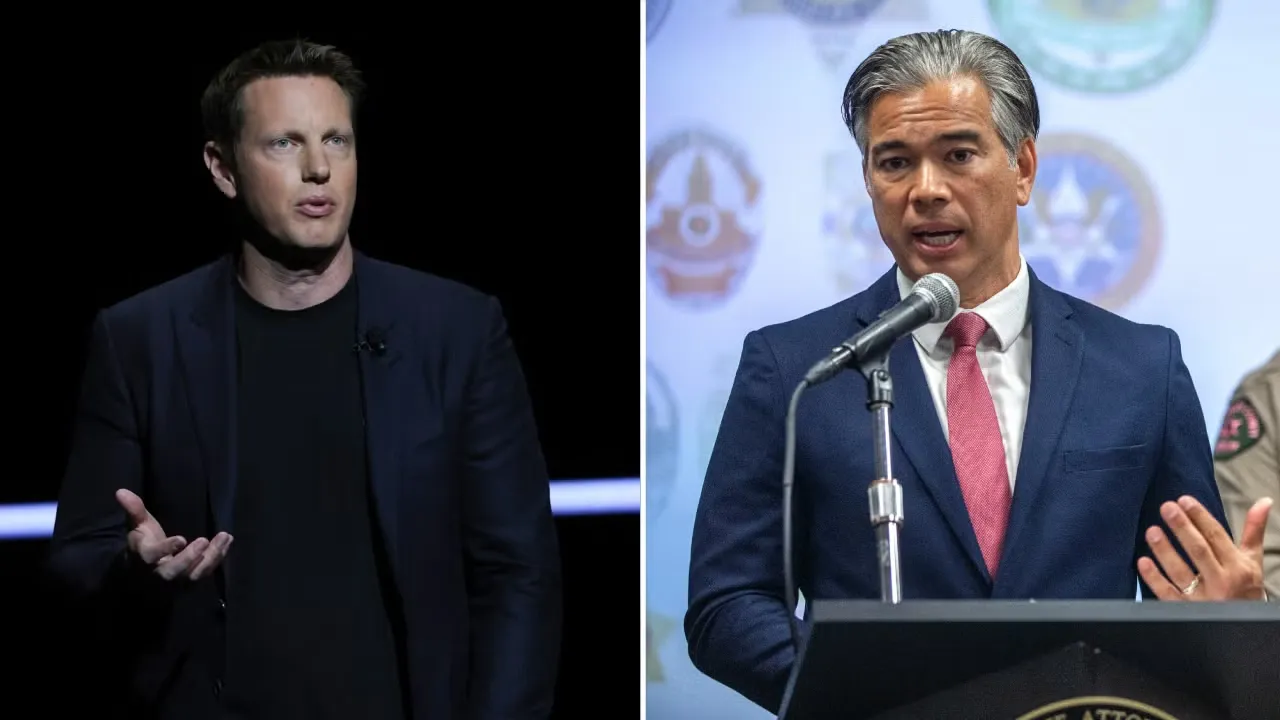
Paramount settles with 12 states, $110B Warner merger clears final hurdle
David Ellison's studio avoids a March trial and a $7M-a-day ticking fee by settling with state AGs over local job losses.