
Linda Noskova wins Wimbledon, earning about $4.8M; Karolina Muchova gets $2.4M
A first major title sends Noskova to a near-$5M payout, while Muchova’s second final adds up to half that.
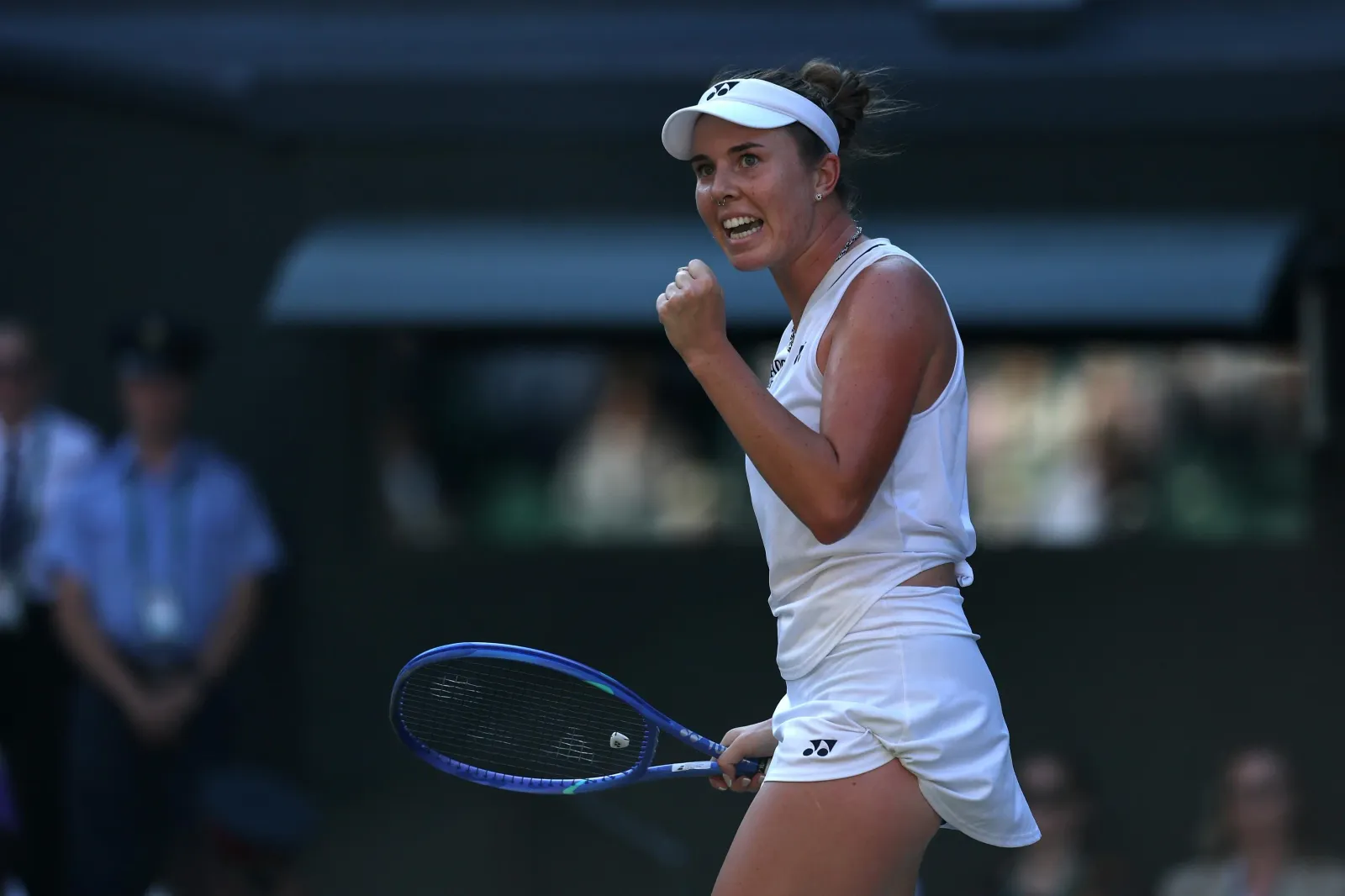
Linda Noskova avoids collapse and wins her first major title at Wimbledon, taking home approximately $4.8 million. Karolina Muchova, after losing her second major final, earns approximately $2.4 million.
Linda Noskova will take home approximately $4.8 million after winning her first major title at Wimbledon, while Karolina Muchova earned $2.4 million following the loss of her second major final. Those two payouts are the scoreboard behind the story: not just trophies, but a seven-figure swing that often reshapes how players plan their next season.
Because Noskova’s result is her first major, the $4.8 million prize matters disproportionately. The difference between “deep run” money and major-title money can change everything downstream: how aggressively an athlete teams up for high-cost training cycles, how much flexibility they have for coaching and travel, and how much pressure they feel when deciding whether to chase additional tournaments or protect workload. Muchova’s $2.4 million is substantial, but it comes on the heels of a second major final that did not end with a title. In elite tennis terms, that is both validation and frustration, and the money reflects the reality that finals are expensive experiences, even when you reach them.
Zoom out from the individual match and you see why this kind of prize structure is such a big deal for executives watching sport as a business. Wimbledon, like other major tennis events, turns performance into cash at a scale that can materially affect career trajectories. A first major title can be a forcing function. It changes brand value, expands sponsor interest, and can alter negotiating leverage with stakeholders who care about visibility and credibility. Meanwhile, a second major final that ends in loss can also have second-order effects, because it keeps an athlete in the “proven winner” category without granting the market’s strongest signal, the trophy.
This is where incentives get real. Tennis players are not salaried employees with predictable compensation. Their financial security is tightly coupled to results, and major tournaments are the highest-stakes nodes in the calendar. When Noskova wins, she is not just collecting a prize. She is also locking in a stronger narrative that can translate into endorsements and commercial opportunities, which in turn funds the teams and preparation that can support future performance. Muchova’s $2.4 million is meaningful, but it also underscores the cost of near-misses. Reaching a second major final shows consistency and top-level capability, yet the absence of the title means less of the “final boss” payoff that comes with being a champion.
For decision-makers around athletes, the numbers have another layer: risk management. At this level, small margins determine whether someone wins a major or watches from the other side of the net. In that sense, the phrase “avoids collapse to win 1st major title” is not just a storyline, it is a description of the kind of performance stability that sponsors and partners want to back. When outcomes hinge on mental and tactical steadiness, executives in sports marketing, agency, and athlete management care about the reliability of that steadiness as much as the win itself.
There is also a boardroom-adjacent lesson for operators who think about talent development. Prize outcomes like these are an external validation signal, but internal performance systems still matter. The athlete who wins their first major is often the one whose preparation process finally clicks under pressure. The athlete who reaches another major final but loses is demonstrating that the process works enough to get there, even if it has not yet conquered the final hurdle. That means investments in coaching, sports science, and match strategy are not abstract expenses. They are bets on whether “getting to the moment” turns into “closing the moment.”
Finally, the strategic stakes extend beyond Wimbledon itself. For peers and their teams, these payouts act like a benchmark. Noskova’s approximately $4.8 million win sets a reference point for what “first major” looks like financially, while Muchova’s approximately $2.4 million after losing her second major final shows the high floor of consistent elite performance even without the title. In a sport where careers can shift on a handful of match outcomes, the difference between first and second, between winning and losing the final, is not only emotional. It is also a cashflow event that can influence decisions about the next coaching contract, tournament schedule, and long-term plan.
This story's Key Insights and Take-aways are locked.
Create a free account to unlock Executive Actions for one credit.
Register to UnlockAlways free for Executives Club members. Join the Club
More in Business
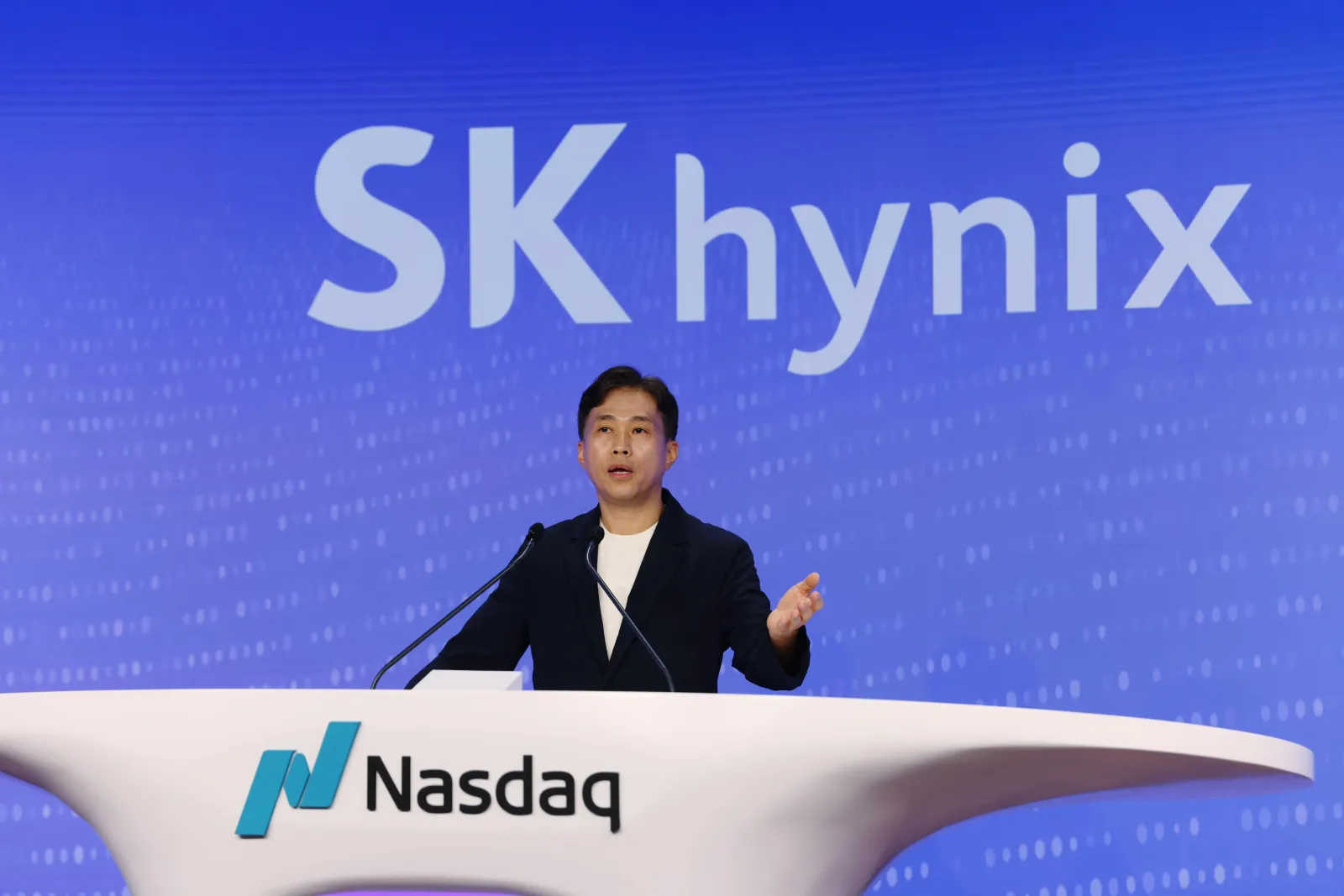
SK Hynix opens at $170, raises $26.5B, and tops foreign IPO records
In Friday's Wall Street debut, SK Hynix turns AI RAM demand into a $26.5B fundraising moment that rewrites comps.

China lands a reusable Long March booster, a first that matches SpaceX and Blue Origin
A barge landing and net-based recovery move China from theory to proof, reshaping the reusability race and satellite ambitions.

AstraZeneca $27B wipeout as Wainua late trial misses cardiovascular target
A failed late-stage heart study triggered a swift market punishment, forcing investors and boards to reset timelines and risk.