

Lisa Nandy keeps UK culture post as Burnham reshuffles cabinet, AI minister arrives
Nandy stays as secretary of state for culture, media and sport while Kanishka Narayan is appointed the UK’s first AI minister.
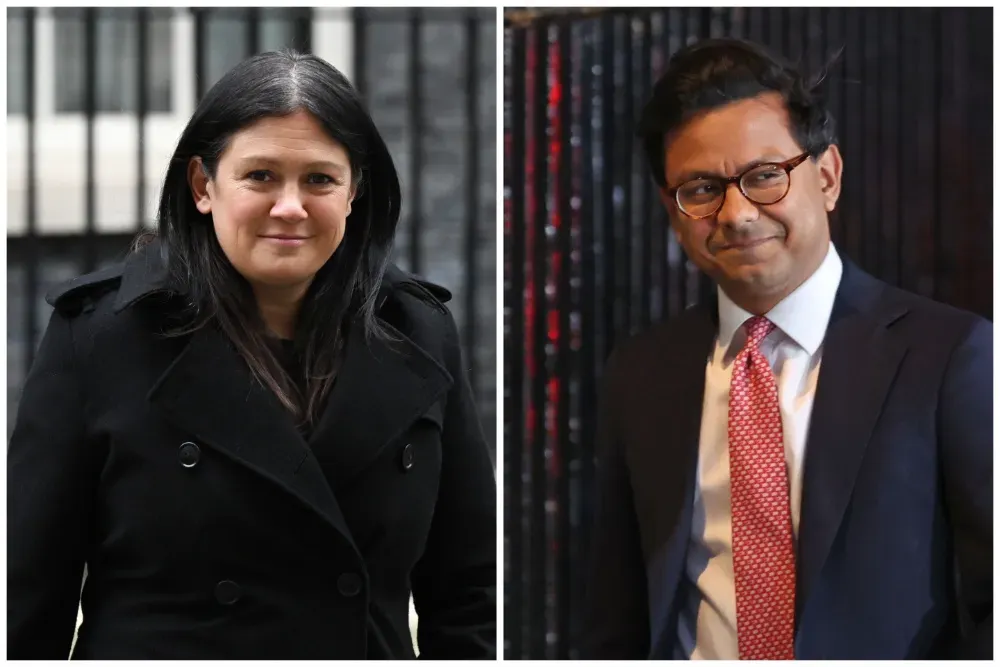
Lisa Nandy will remain in post as the UK secretary of state for culture, media and sport after Prime Minister Andy Burnham’s cabinet reshuffle. Kanishka Narayan has been appointed as the UK’s first AI minister, reshaping how AI policy will be coordinated across government.
Prime Minister Andy Burnham is running an extensive cabinet reshuffle, but one constant is clear: Lisa Nandy is staying put as U.K. culture secretary. Nandy has been a member of Parliament since 2010, representing Wigan, and she was appointed secretary of state for culture, media and sport by former Prime Minister Keir Starmer. In other words, while the rest of the political chessboard moves, the cultural policy file does not get its turn in the spotlight.
And right next to that continuity is a fresh policy emphasis with real operational consequences: Kanishka Narayan has been appointed as the U.K.’s first AI minister. The pairing matters because it signals how the government plans to treat AI as both a standalone priority and a cross-cutting issue that still needs to land in existing departmental lanes. For decision-makers watching U.K. regulation, funding, and compliance requirements, the headline is not just about who got a title. It is about where friction is likely to show up first and which minister is now closest to the steering wheel.
To understand why this combo is strategically important, you have to think about how culture, media, and sport policy intersects with AI. Culture and media are not “soft” sectors in regulatory terms. They are where AI is already moving fastest, whether that shows up as recommendation systems, automated content tools, rights management, translation and dubbing, or synthetic media. Even if the culture secretary does not personally draft an AI-specific bill, the culture ministry is a practical doorway to enforcement and guidance around content standards, broadcaster and platform responsibilities, and the incentives that shape what gets produced and distributed.
So what does it mean that Nandy remains in post? It likely means continuity in how the U.K. government approaches the cultural ecosystem. For boards and executives in media, gaming, entertainment, and sports tech, continuity can be its own advantage. When leadership stays stable, ongoing consultations and policy work typically face fewer abrupt rewrites. That can reduce the risk of “policy whiplash,” where a new minister changes priorities midstream and forces companies to restart compliance planning. For companies that are already building AI-enabled products, that stability can translate into faster internal decision-making, because the policy context is less likely to lurch.
At the same time, the appointment of Kanishka Narayan as the first AI minister introduces a second dynamic: centralization. A first-ever AI minister role is often created to coordinate across multiple departments that would otherwise pull in different directions. In practical terms, that can tighten timelines and sharpen requirements for how AI projects are governed across sectors. It can also change who has the clearest path to influence government priorities, budgets, and public messaging. If you are an executive trying to figure out “where do we engage,” “who sets the tone,” or “which regulator becomes the gravity well,” that new portfolio is the new map.
That map becomes especially relevant for companies operating at the intersection of AI and public interest. Think about firms building generative tools for creators, platforms using AI to curate media, or sports broadcasters using AI for analytics and production. These organizations may sit under multiple regulatory umbrellas at once, and AI centralization can affect how responsibilities are allocated. Even without any new law announced in the source, the ministerial structure itself can foreshadow how government will assign accountability.
There is also a political governance angle worth executives cannot ignore. Cabinet reshuffles are not only about party messaging. They can change internal bargaining power among portfolios. When Burnham reshuffles widely but keeps Nandy in culture, it implies that the culture brief remains aligned with the government’s priorities, or at least is not considered urgent enough to swap out. For the culture sector, that likely means the government expects momentum to continue. For adjacent industries, it suggests they should plan for policy continuity while simultaneously preparing for a more coordinated AI-policy posture under the new AI minister.
In short, the U.K. is sending two signals at once. First: Lisa Nandy continues as secretary of state for culture, media and sport, bringing a stable leadership lane anchored by her long tenure as an MP since 2010 and her appointment by Keir Starmer. Second: Kanishka Narayan becomes the U.K.’s first AI minister, setting up a new center of gravity for how AI policy is coordinated. For executives, investors, and boards, that combination affects where regulatory attention will land, how quickly guidance might tighten, and how hard companies will need to work to make their AI plans compliant not just technically, but institutionally. In a world where policy coordination is increasingly the difference between “allowed” and “blocked,” titles are not trivia. They are early indicators.
This story's Key Insights and Take-aways are locked.
Create a free account to unlock Executive Actions for one credit.
Register to UnlockAlways free for Executives Club members. Join the Club
More in Politics
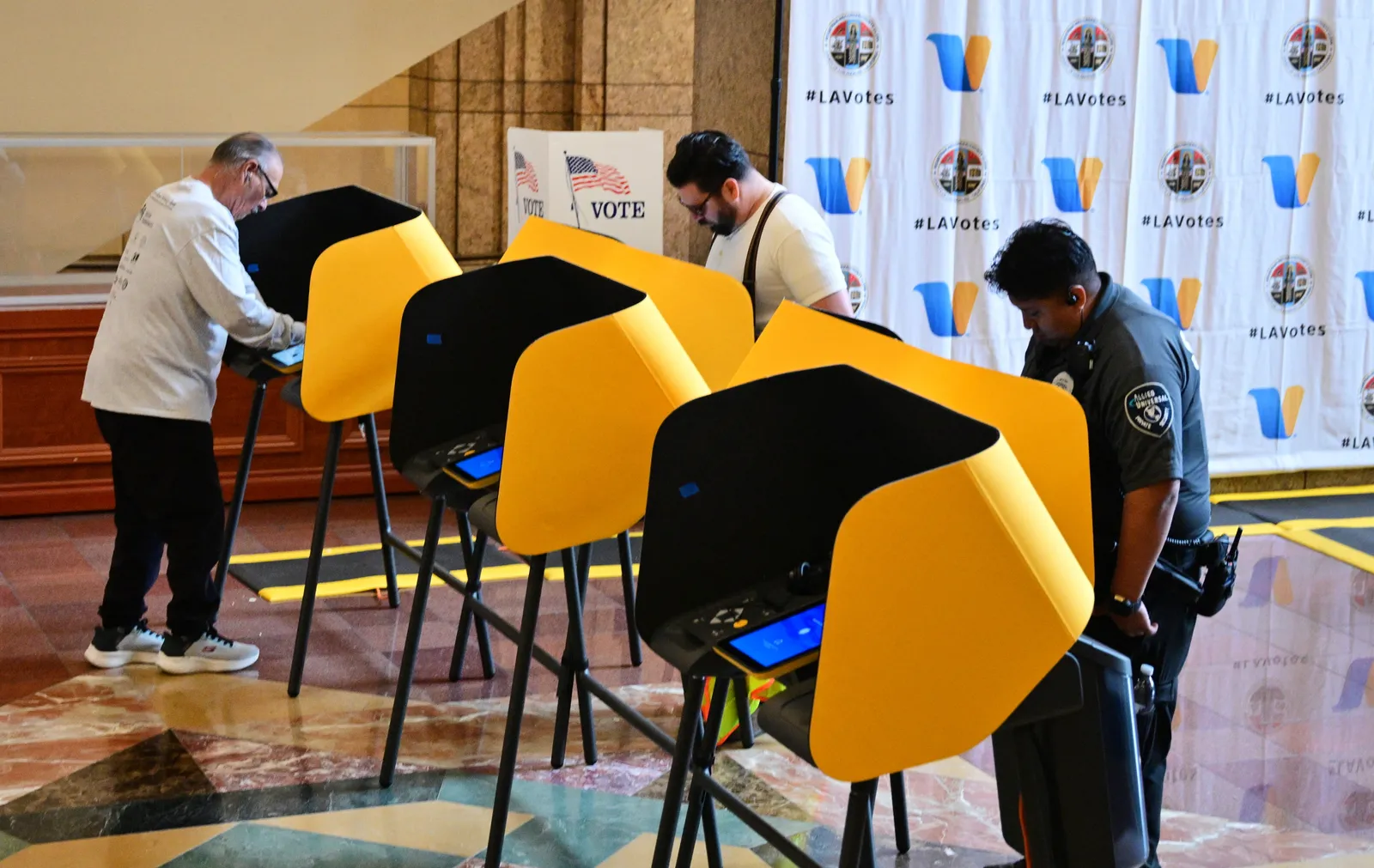
LA County: DOJ's 20,000 'noncitizen' voter list is 'unreliable,' includes U.S.-born
Preliminary review by Los Angeles County election officials finds errors in the federal list, raising the stakes for voter roll integrity ahead of November.
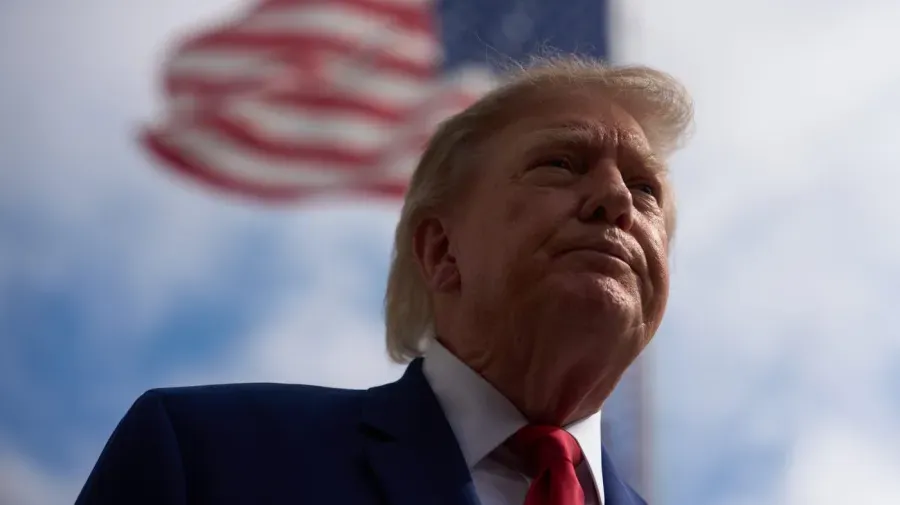
Trump's $1.5B Pentagon chip investment lands in North Carolina
A $1.5 billion defense infusion for North Carolina chipmaking signals a new era of Pentagon-backed reshoring - here's what it means for the industry.

Nigeria confirms first Ebola case in Abuja, a woman just off a Uganda flight
Health Minister Muhammad Ali Pate says the patient flew in from Uganda, putting Africa's latest outbreak on Nigeria's doorstep.