

Macron’s nuclear hopes face a Le Pen “what if” for Europe’s protection
Europe wants nuclear collaboration under Macron. The brief scenario is what changes if Marine Le Pen becomes president.

The Economist frames Europe’s interest in nuclear collaboration with Emmanuel Macron and then asks what happens if Marine Le Pen becomes president. The consequence for decision-makers is a shift in how Europe coordinates nuclear posture with key partners.
Europe’s nuclear conversation is no longer a niche defense briefing. It is now a political weather system that could change depending on who leads France. The core question The Economist raises is simple and high-stakes: Europeans are keen on nuclear collaboration with Emmanuel Macron. But what if Marine Le Pen becomes president instead?
That “what if” matters because France is not just another European capital in this story. Nuclear collaboration is the kind of policy where continuity, trust, and long timelines matter more than headlines. The Economist’s framing points to a reality for decision-makers: your security architecture is partly built on political alignment, not just hardware. So the scenario is not theoretical. If leadership changes in France, the terms, tempo, and willingness to cooperate across borders could change with it.
To understand why this is such a big deal, it helps to remember how nuclear posture tends to work in practice. Nuclear weapons are not something countries integrate like supply chains where you can swap vendors next quarter. Collaboration is deeply tied to governance: who decides, who gets included, what gets shared, and what remains sensitive. In Europe, those decisions also interact with broader defense policy, where member states often have different threat perceptions and different domestic constraints. France, because of its status and capabilities, sits in the center of many of these discussions. That is exactly why the Macron-to-Le Pen pivot is a governance test, not just a cultural one.
The Economist’s piece also highlights something executives and board members should recognize: nuclear policy is a long game with political risk built into it. When Europeans say they want nuclear collaboration with Macron, they are implicitly talking about predictability. Even when countries broadly agree on strategic direction, they still need a shared operating style. Collaboration tends to rely on stable intergovernmental channels and credible commitments. Leadership transitions can disrupt these channels quickly, even when the new administration does not reverse course immediately. The “what if” question is really about how quickly cooperation could be re-negotiated, paused, or re-scoped.
Now consider what Marine Le Pen’s potential presidency does to the incentive landscape. France’s political center of gravity would change. That matters for partners across Europe because they must plan around uncertainty. If officials on defense, foreign policy, or finance leadership teams believe cooperation may become less certain, they can feel pressure to hedge. Hedging can look like more bilateral arrangements, different budget priorities, or recalibrated timelines for joint initiatives. Even if the end state stays “collaboration,” the pathway could be bumpier, and the implementation details could land differently.
There is also a regulatory and institutional angle, even though nuclear policy itself does not look like traditional regulation. Europe’s approach to defense and security is shaped by formal treaties, national laws, and the practical ways governments coordinate policy. When one of the key actors changes leadership, it affects how governments interpret existing frameworks and how aggressively they pursue new ones. That means the impact of a potential Le Pen presidency is not only about what France intends to do. It is also about how the rest of Europe anticipates what France will do next, and how that anticipation influences their own plans.
Second-order effects can show up far from the defense ministries. In procurement-heavy ecosystems, longer-running collaboration projects can affect industrial planning, supply chain decisions, and workforce investment. Companies that serve defense programs do not just price based on technical specs. They price based on program stability. If European nuclear collaboration becomes less predictable, commercial stakeholders could face delayed decisions and shifting requirements. Boards overseeing capital deployment, especially in defense-adjacent sectors, would need to understand that political uncertainty can translate into execution risk.
So what should decision-makers take from this framing? The Economist is not claiming a specific outcome. It is raising a scenario that tests Europe’s resilience: if Macron is replaced by Marine Le Pen, can nuclear collaboration still deliver the protective value Europeans want?
For executives, investors, and policy leaders, the strategic stake is that security coordination is a system. When leadership changes in a system node like France, it can change the reliability of the whole network. The “what if” is therefore a prompt to think in terms of continuity, coordination mechanisms, and contingency planning, because in nuclear policy, politics is not background noise. It is part of the architecture.
This story's Key Insights and Take-aways are locked.
Create a free account to unlock Executive Actions for one credit.
Register to UnlockAlways free for Executives Club members. Join the Club
More in Politics
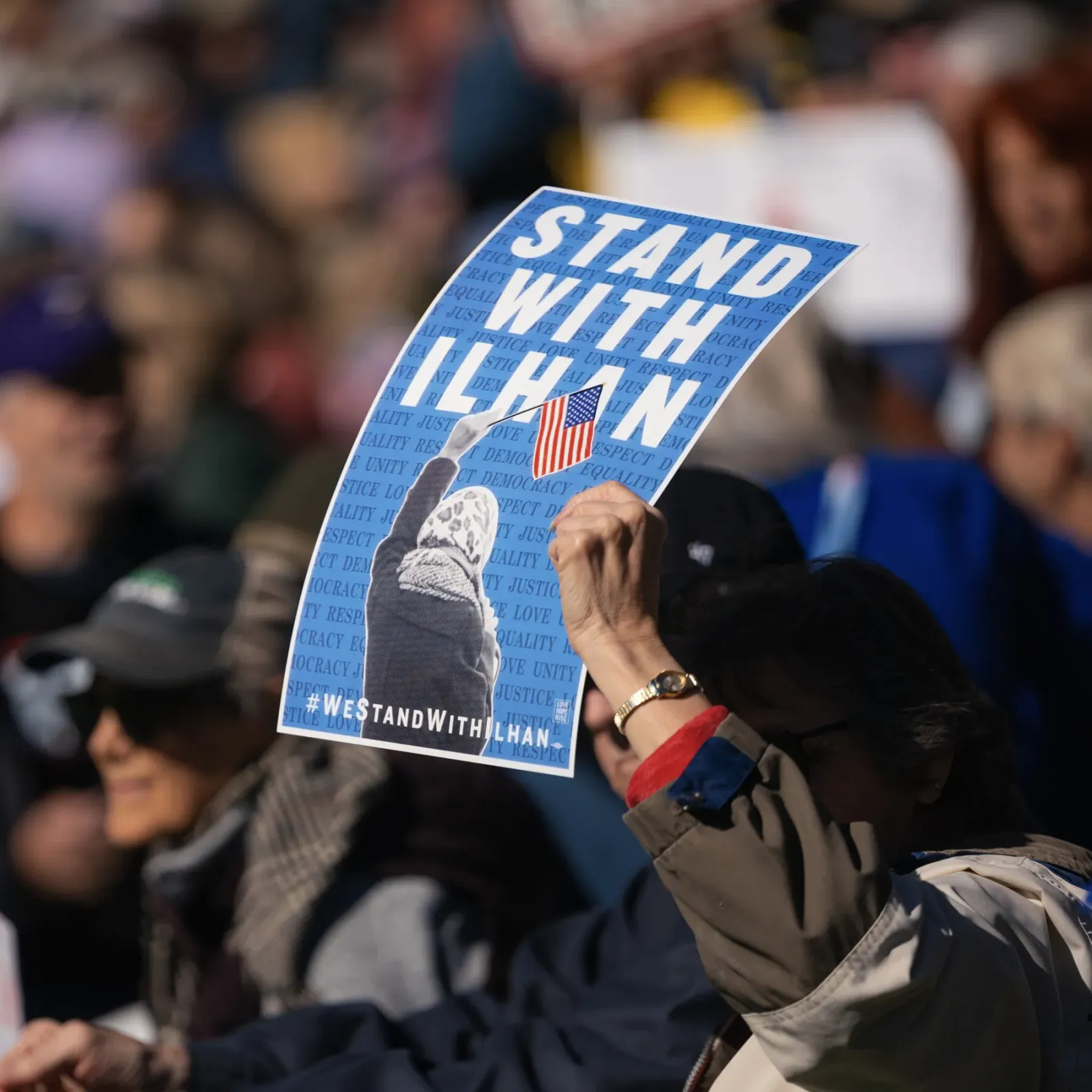
Obama Defends Ilhan Omar After Agents Search Her Home in Trump Inquiry
The former president's intervention raises the stakes in a federal probe into immigration paperwork that has put a prominent progressive lawmaker in the crosshairs.
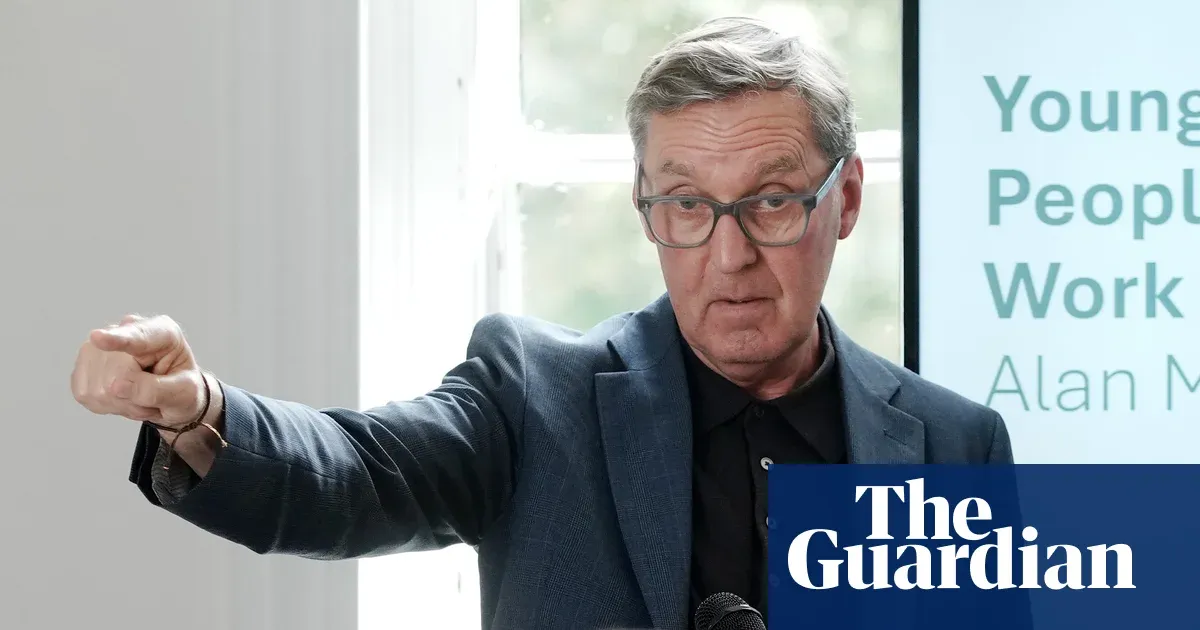
Blair-era minister: cut welfare to fund youth job support
Alan Milburn's call for welfare cuts to fund employment support opens a Labour fight over benefits and the Neet crisis.
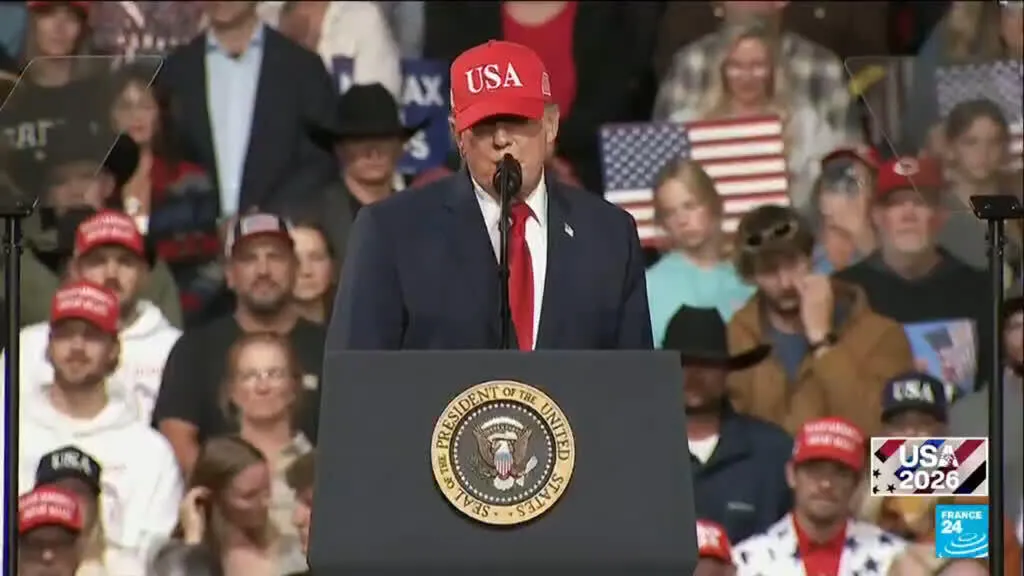
Hot September CPI: energy costs surge, voters feel the squeeze before midterms
The latest inflation print lands as Trump campaigns for GOP control of Congress, putting cost-of-living worries at the center of the midterm fight.