

Maine Senate nominee Troy Jackson says he is unsure about Schumer support
A key Democratic Senate race opens a potential awkwardness with Chuck Schumer, right when unity matters most.
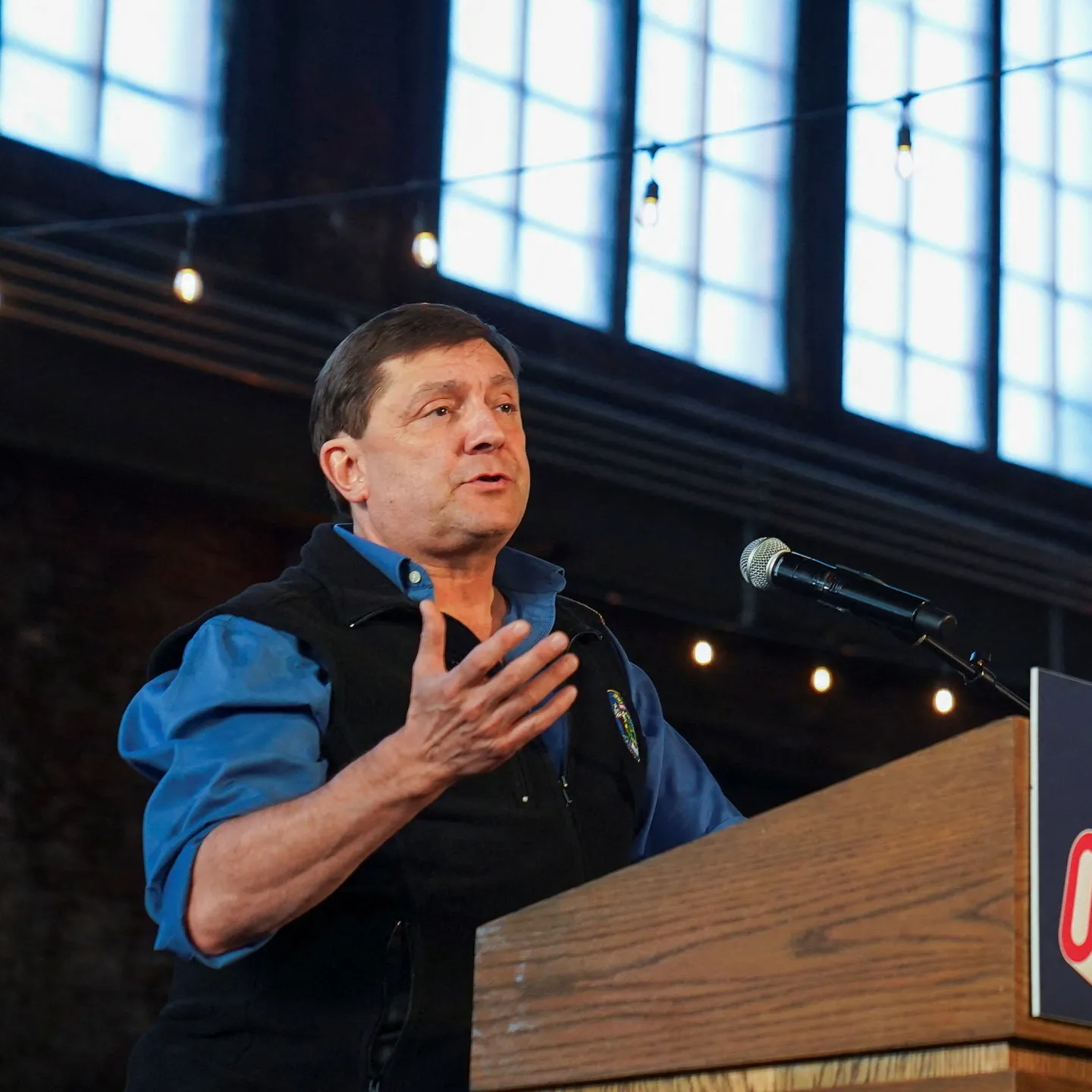
Troy Jackson, who is set to become the party's nominee in Maine, said in an interview that he was not sure he wanted Senator Chuck Schumer's support in the general election. For Democratic Senate strategists, that uncertainty introduces a real test of top-down coordination during a high-stakes contest.
Troy Jackson, set to become the Democratic nominee in Maine’s Senate race, is signaling early trouble for party coordination. In an interview, Jackson said he was not sure he wanted the support of Senator Chuck Schumer in the general election.
That sounds like a small sentence, but in American politics it is a loaded one. Schumer is Senate leadership, and his support typically functions like a stamp that says, “We are all in on the same plan.” Jackson’s uncertainty suggests he might want to preserve more control over how the campaign is framed, or at least avoid tying himself too tightly to national figures before voters have their say.
For decision-makers, the key thing to understand is incentive alignment. Party leaders generally want to deploy top assets across competitive races, especially when the path to victory depends on turnout, fundraising, and messaging discipline. A nominee, meanwhile, is often judged on local credibility. If a nominee believes national help could energize some voters while alienating others, the rational move is to negotiate the terms of that help rather than accept it automatically.
This is why Jackson’s position matters beyond Maine. Senate campaigns are not just about winning an election day argument. They are about building a coalition that can sustain governing power after the race is over. When a nominee publicly signals doubt about a major party leader’s support, it can force internal conversations that are usually kept behind closed doors: How much national branding is appropriate? Which endorsements help or hurt in the specific local context? And how will those decisions play with other stakeholders, like donors and aligned advocacy groups.
There is also a second-order dynamic for the broader Democratic bench. When top-tier leadership is embraced uniformly, it can create a clean narrative for voters: the party is unified, the plan is consistent, and the nominee is the natural successor. But when unity looks contested, it can become an opening for opponents to question competence, discipline, or even the nominee’s confidence in the path to victory. No one needs to invent controversy here. Political audiences can infer it from the mere existence of uncertainty.
You can also think about it as a reputational calculus. For Schumer, backing a nominee is part of building a track record of effective strategy. For Jackson, accepting Schumer support can be seen as a bet on alignment with national leadership priorities. By expressing uncertainty, Jackson is effectively saying the alignment has not been finalized in his mind. That can be interpreted as independence, or it can be interpreted as hesitation. Either way, the campaign will now need to manage the perception, not just the policy content.
It is worth grounding this in how Senate races typically run. The general election is where the national party’s resources tend to matter most, including access to experienced political infrastructure and messaging guidance. But nominees are also competing in the real world where voters evaluate them as individuals. In Maine specifically, local identity can carry weight, and campaigns often emphasize the candidate’s connection to the state and the ability to focus on local concerns. Even without additional details from the source beyond Jackson’s statement, the structure of the contest makes his comment plausible as a negotiating posture.
Strategically, this is a live test for Democratic coordination. If Jackson’s stance translates into a different approach to endorsements, appearances, or messaging control, then other Senate nominees and campaign teams will notice. They are likely to ask a similar question: if the party’s top Senate leader is optional, how optional are other forms of national support? That can reshape how the party allocates resources and how quickly leadership tries to “lock in” a unified general election message.
At the end of the day, the core facts are simple: Troy Jackson is set to become Maine’s Democratic Senate nominee, and he told interviewers he was not sure he wanted Senator Chuck Schumer’s support in the general election. The real consequence is not just about one endorsement. It is about whether party leadership can maintain cohesion while still letting nominees preserve local credibility, and whether that balance can be struck before the general election compresses every decision into a single, high-pressure moment.
This story's Key Insights and Take-aways are locked.
Create a free account to unlock Executive Actions for one credit.
Register to UnlockAlways free for Executives Club members. Join the Club
More in Politics
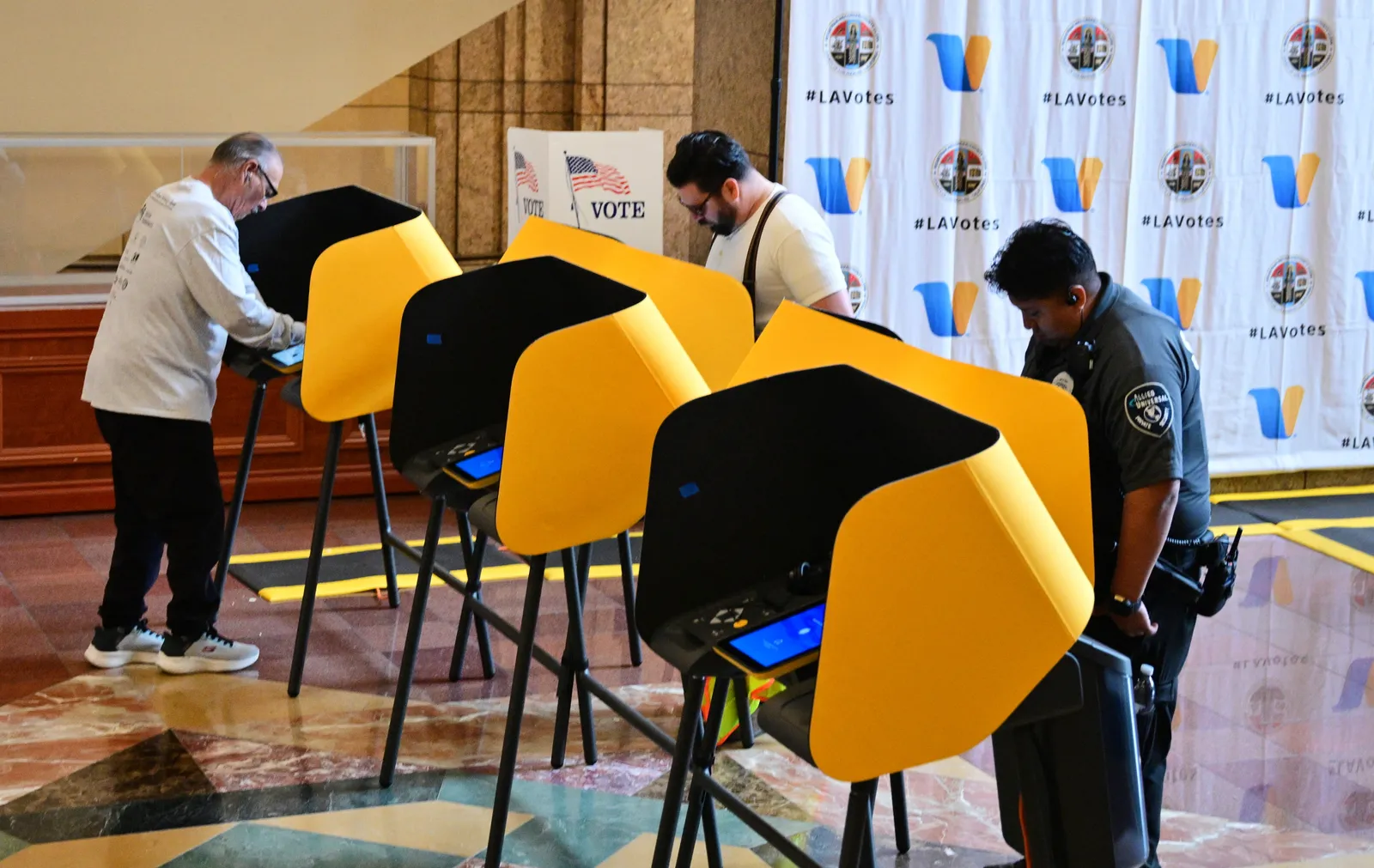
LA County: DOJ's 20,000 'noncitizen' voter list is 'unreliable,' includes U.S.-born
Preliminary review by Los Angeles County election officials finds errors in the federal list, raising the stakes for voter roll integrity ahead of November.

Trump's $1.5B Pentagon chip investment lands in North Carolina
A $1.5 billion defense infusion for North Carolina chipmaking signals a new era of Pentagon-backed reshoring - here's what it means for the industry.

Nigeria confirms first Ebola case in Abuja, a woman just off a Uganda flight
Health Minister Muhammad Ali Pate says the patient flew in from Uganda, putting Africa's latest outbreak on Nigeria's doorstep.