

Maltese tycoon goes on trial for Daphne Caruana Galizia murder, 7 years after arrest
Seven years have passed since the arrest of the alleged mastermind. Five other men already have verdicts, and today’s proceedings decide the next chapter.
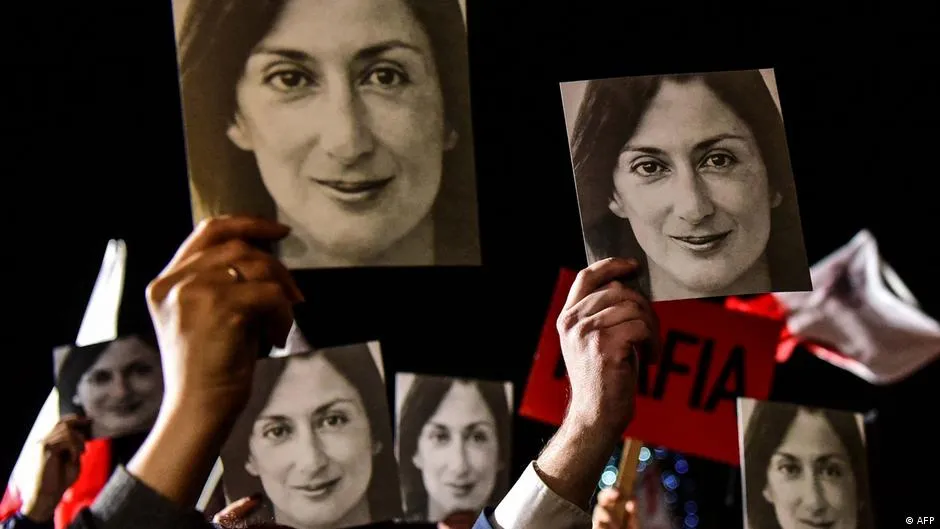
A Maltese businessman accused of masterminding journalist Daphne Caruana Galizia’s 2017 murder is in court, seven years after his arrest. The trial follows the conviction of five other men involved in the murder.
A Maltese businessman accused of masterminding journalist Daphne Caruana Galizia’s 2017 murder is now in court, seven years after his arrest. If you have been following how corruption investigations become courtroom realities, the timeline itself is the story: justice does not move at the speed investors, boards, or the public would prefer.
This is not happening in a vacuum. Five other men have already been found guilty for their roles in the murder. So the court is not starting from scratch on “what happened.” The central question for today’s proceedings is whether this defendant is tied to the masterminding element that prosecutors are alleging, after other participants have already been convicted.
Why does the business-and-governance angle matter here, even for people who never expected to read a murder trial story on a weekday? Because high-stakes criminal cases like this test how institutions work when money, influence, and reputations are in the room at the same time. Malta is a small jurisdiction, and small places amplify the governance consequences of what looks like a personal crime. When journalists are killed and the alleged plot includes a powerful businessman, the risk is bigger than one newsroom. It is a stress test for rule of law that affects everything from licensing and contracting to the credibility of regulators and courts.
Executives and boards tend to think about risk in categories: legal, regulatory, operational, reputational. This trial forces those categories to collide. If the alleged mastermind is convicted, it validates that accountability can reach beyond immediate offenders to those who might have coordinated or financed violence. If the case fails, it does not erase the convictions of the five other men already found guilty, but it would leave a gap in how the masterminding claim is resolved. Either way, the court outcome shapes how the public and the market interpret whether the system can connect incentives, networks, and behavior to consequences.
There is also a second-order implication for anyone who governs organizations that operate in jurisdictions where politically connected disputes can turn into legal entanglements. Trials that stretch across years can become their own governance risk. Over time, companies and boards face pressure to respond to shifting narratives, political reactions, and stakeholder concerns. Even when a company is not a party to a case, the presence of a trial involving a tycoon can influence counterparties, partners, and talent decisions. In practical terms, directors may need to think harder about compliance posture, third-party risk, and how they document ethics and controls when the environment becomes legally and socially charged.
The fact pattern in the reporting is straightforward, but the stakes are not. The accused man is alleged to have masterminded the 2017 murder of Daphne Caruana Galizia. She was a journalist, and the killing sent shockwaves through Europe because it raised the possibility that journalism, oversight, and reporting can become deadly when power feels threatened. The court process has now reached this defendant seven years after his arrest, after five other men have already been found guilty for their roles.
For decision-makers watching from the outside, the key is understanding what this structure of convictions can mean. When multiple participants have already been convicted, the court often focuses on how the alleged masterminding fits with those roles. That can affect how prosecutors prove intent, planning, and coordination, and it can affect how the defense contests the link to orchestration. In other words, the verdict here is likely to matter for how future allegations of “who really pulled the strings” are investigated and litigated.
This matters beyond Malta because the governance lesson is universal. The longer the time between alleged crime and trial, the more the system must work to maintain credibility, evidence integrity, and public trust. The court is now doing that work for Daphne Caruana Galizia’s case, and the next decision will determine whether the alleged mastermind is held responsible after the already-established convictions of five other men. In a world where boards manage risk across headlines, this is a reminder that legal outcomes do not just close cases. They define the boundaries of accountability.
This story's Key Insights and Take-aways are locked.
Create a free account to unlock Executive Actions for one credit.
Register to UnlockAlways free for Executives Club members. Join the Club
More in Politics

Glacial collapse, not rain, killed 180 in Nepal's Himalayan flood
The Himalaya's extreme geography hid the true cause of Nepal's catastrophic flood, a glacial collapse that turned a geological battleground into a mass-casualty zone.

Iran’s Esmail Baghaei says Oman talks start shipping via Hormuz, not US talks yet
Temporary route plans with Oman aim to restart commerce while Tehran says Washington dialogue is not on the table.

Standards watchdog opens probe into Reform UK deputy leader Richard Tice over interests
The parliamentary standards commissioner says it began an investigation on 28 July into a possible undeclared interest.