
Mandela Barnes drops Wisconsin governor race as MJS investigates sex-allegation claims
Barnes exits after POLITICO reported deliberations, hours before Milwaukee Journal Sentinel scrutiny lands, reshaping the Democratic primary fight.
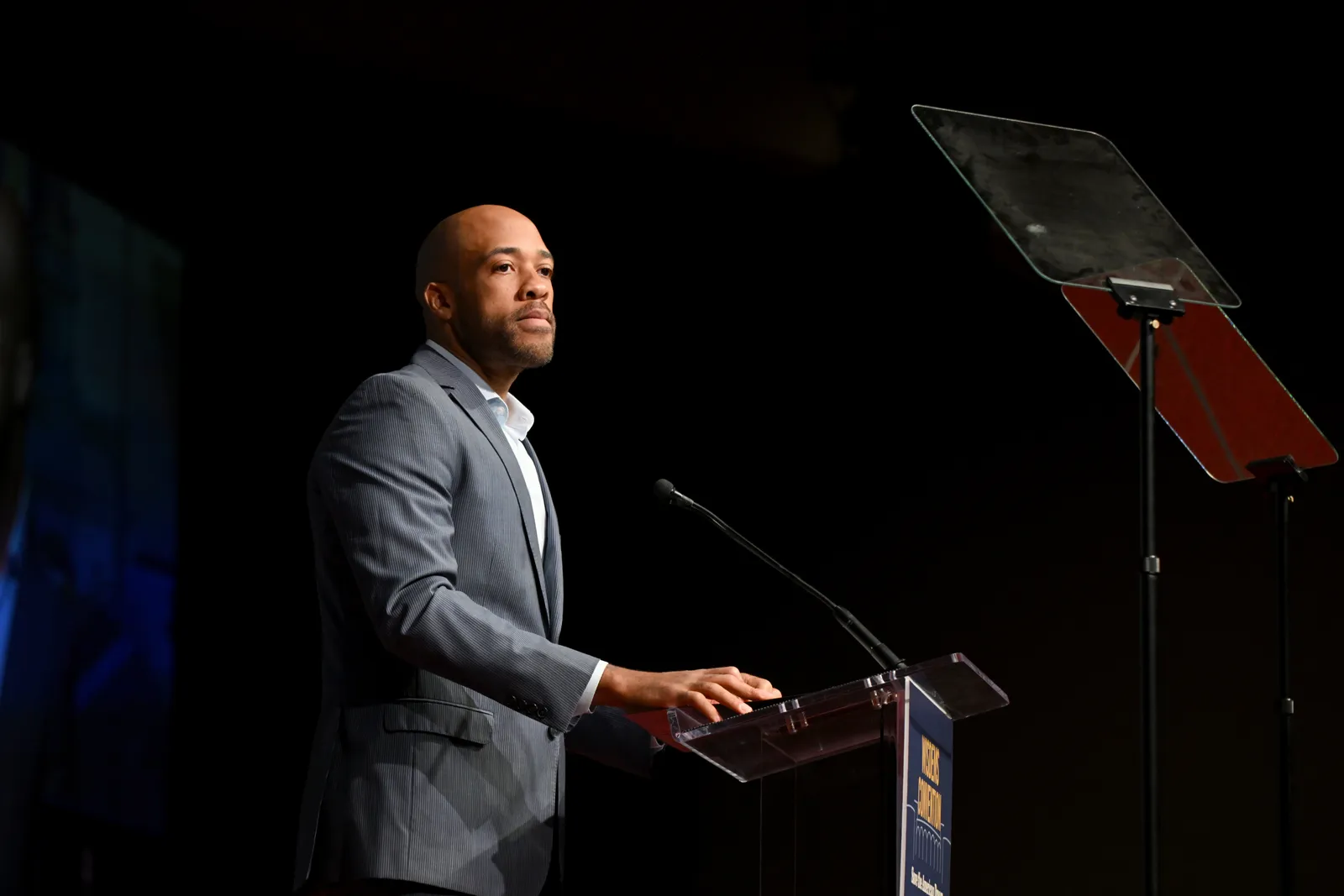
Former Lt. Gov. Mandela Barnes dropped out of the Wisconsin Democratic governor primary on Thursday. The exit came as Milwaukee Journal Sentinel reported it was investigating allegations involving Barnes, while a Marquette Law School poll shows progressive state lawmaker Francesca Hong surging.
Mandela Barnes quit the Wisconsin Democratic governor primary on Thursday, and almost immediately the race’s center of gravity shifted again, just as damaging media scrutiny was about to hit. Barnes had been on calls Thursday with his team, Then he released a video on social media saying, “It’s become very clear who our nominee is going to be,” and added, “We have to do everything to beat Tom Tiffany,” referencing the likely GOP nominee.
The timing mattered, because shortly after Barnes exited, Milwaukee Journal Sentinel reported it was investigating allegations that Barnes leveraged his role within the state Democratic party to have sexual encounters with young women, based on a 2025 review conducted by the party. Barnes has not been accused of any crimes, and the Journal Sentinel reported that the party’s review did not result in an actionable outcome. POLITICO has not independently confirmed the allegations. Barnes’ campaign spokesperson, Darby O'Connor, responded in a statement that “there are no allegations of misconduct or wrongdoing against Mandela.”
If you are looking at this like a business or boardroom decision, this is a governance story as much as a campaign one. The primary was already chaotic: progressive state lawmaker Francesca Hong was surging in the polls, and moderates had been trying to slow her momentum because they feared a democratic socialist victory could boost Tiffany. With Barnes out, the coalition math changes again, because it affects who can rally voters fast, who can credibly consolidate endorsements, and who can credibly present a unified contrast to the likely Republican nominee.
The numbers show why urgency was baked in. A Marquette Law School poll released Wednesday had Hong at 38 percent among Democratic primary voters, with Barnes in distant second at 16 percent and David Crowley stuck at third with just 7 percent. The poll also found that 30 percent of Barnes supporters picked Hong as their second choice, almost twice as many as those who picked Crowley, though a plurality still remained undecided. That tells you two things: first, Barnes voters were not a neat reservoir for Crowley. Second, undecided voters become the prize, especially in the final stretch when candidates can still change minds through turnout persuasion.
Barnes’ exit did not just remove a candidate. It created a chance for Democrats to try to coalesce around Crowley, according to Democrats hoping for that last-minute consolidation. Crowley reentered the race in the final stretch after current Lt. Gov. Sara Rodriguez’s campaign imploded. Wisconsin Gov. Tony Evers’ endorsement of Crowley further complicated and reshuffled the moderate coalition, because it added both legitimacy and a potential turnout advantage, while also changing how quickly other party figures could fall in line.
Crowley is set to hit the campaign trail with Evers next week in the final stretch, according to four people with direct knowledge of the matter. Evers is also slated to appear at several fundraisers for Crowley in the coming days, including one in Madison on Thursday and a Friday event in Milwaukee. The underlying strategy is straightforward: Evers can boost Crowley’s support with older voters, who tend to turn out more reliably than Hong’s base of younger Wisconsinites. For executives and operators watching this kind of political retailing, this is basically channel strategy with a demographic twist, and it matters because turnout is often destiny in close contests.
Crowley still has an uphill battle. He responded to Barnes supporters in an X post Thursday: “To everyone who backed Mandela: there's a place for you in what we're building.” But Crowley is not the only non-Hong lane on the ballot. He is still contending with state Sen. Kelda Roys and former Evers cabinet member Joel Brennan, both polling in the single-digits. Brennan told reporters on Thursday he plans to remain in the race, vowing to “continue reaching voters to talk about what I’ll do to win and lead our state to a stronger future.” Roys is also in the mix, meaning the moderate consolidation is not guaranteed to happen cleanly just because Barnes stepped aside.
And then there is the headline-grabbing piece, the media risk that hovered over Barnes and now becomes part of the storyline for the rest of the cycle. Milwaukee Journal Sentinel’s report says the investigation is grounded in a 2025 party review, but it also says the review did not result in an actionable outcome, and Barnes has not been accused of any crimes. Still, the reputational clock is real. The primary had become increasingly messy as moderates tried to stave off Hong’s rise, and Barnes’ exit just happened at a moment when the public might be primed to focus on accountability questions rather than policy contrast.
Wisconsin Gov. Tony Evers told Milwaukee-based news station WISN on Thursday that he was “surprised” by Barnes’ exit. “I don’t know why he’s getting out,” Evers said of Barnes. “I have to believe it’s something relatively important, but at the end of the day, it’s his call.” That kind of comment is a reminder that even powerful allies can be left reacting in public, and that campaigns can move faster than formal coordination.
For decision-makers watching from outside politics, the second-order implication is clear: momentum shifts are happening on a compressed timeline, and reputational events can land right when candidates are trying to build a coherent narrative. In races like this one, the governance signal is not confined to legal outcomes. It is also about perception, coalition discipline, and whether the electorate trusts the next messenger more than the last scandal-adjacent storyline.
Barnes’ drop changes the Democratic primary’s battlefield. Hong’s lead gives her a structural advantage in messaging and expectation. Crowley, Roys, and Brennan now have to compete not only for votes, but for the legitimacy that comes from looking like the safe bet to stop Tiffany. And the media investigation adds another layer to every conversation, because even an investigation that does not lead to actionable findings can still reshape how voters decide who is credible enough to lead.
This story's Key Insights and Take-aways are locked.
Create a free account to unlock Executive Actions for one credit.
Register to UnlockAlways free for Executives Club members. Join the Club
More in Politics
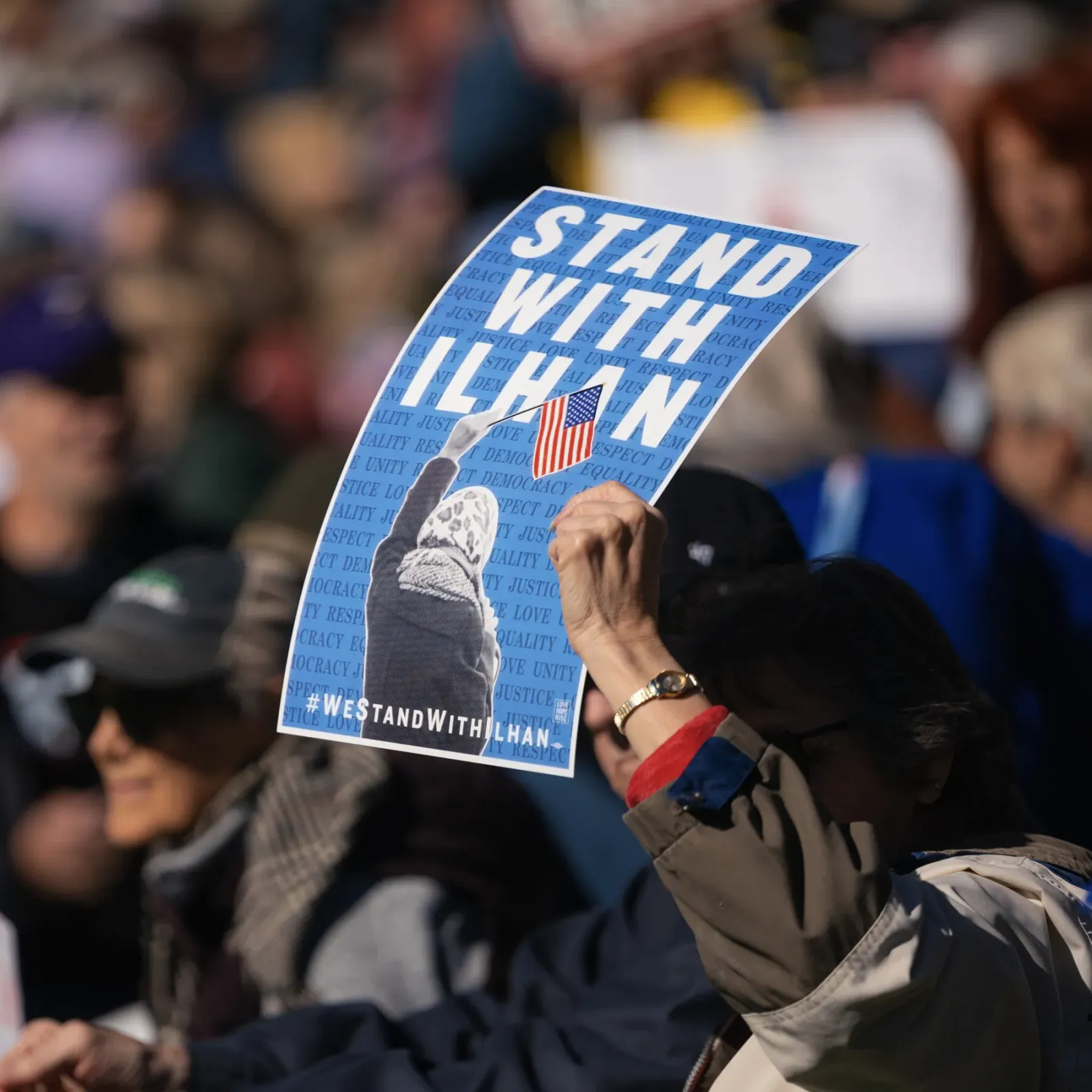
Obama Defends Ilhan Omar After Agents Search Her Home in Trump Inquiry
The former president's intervention raises the stakes in a federal probe into immigration paperwork that has put a prominent progressive lawmaker in the crosshairs.
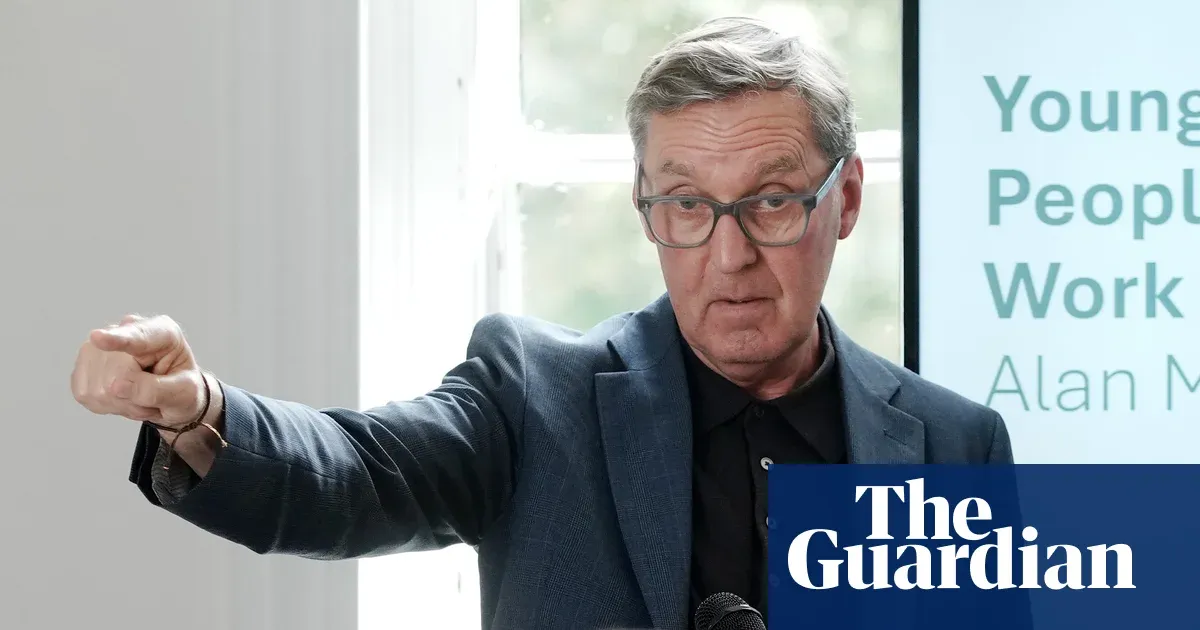
Blair-era minister: cut welfare to fund youth job support
Alan Milburn's call for welfare cuts to fund employment support opens a Labour fight over benefits and the Neet crisis.
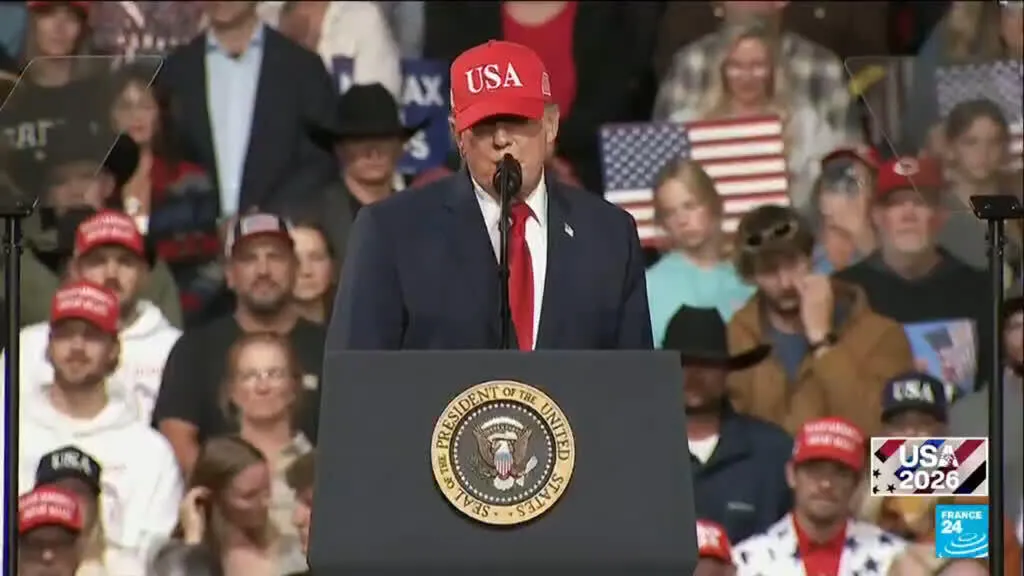
Hot September CPI: energy costs surge, voters feel the squeeze before midterms
The latest inflation print lands as Trump campaigns for GOP control of Congress, putting cost-of-living worries at the center of the midterm fight.