
Marco Rubio vows to dismantle the ICC “brick by brick,” escalating U.S.-court conflict
The U.S. says it will “dismantle” the ICC, piece by piece, with regulatory and diplomatic fallout for governments and global firms.
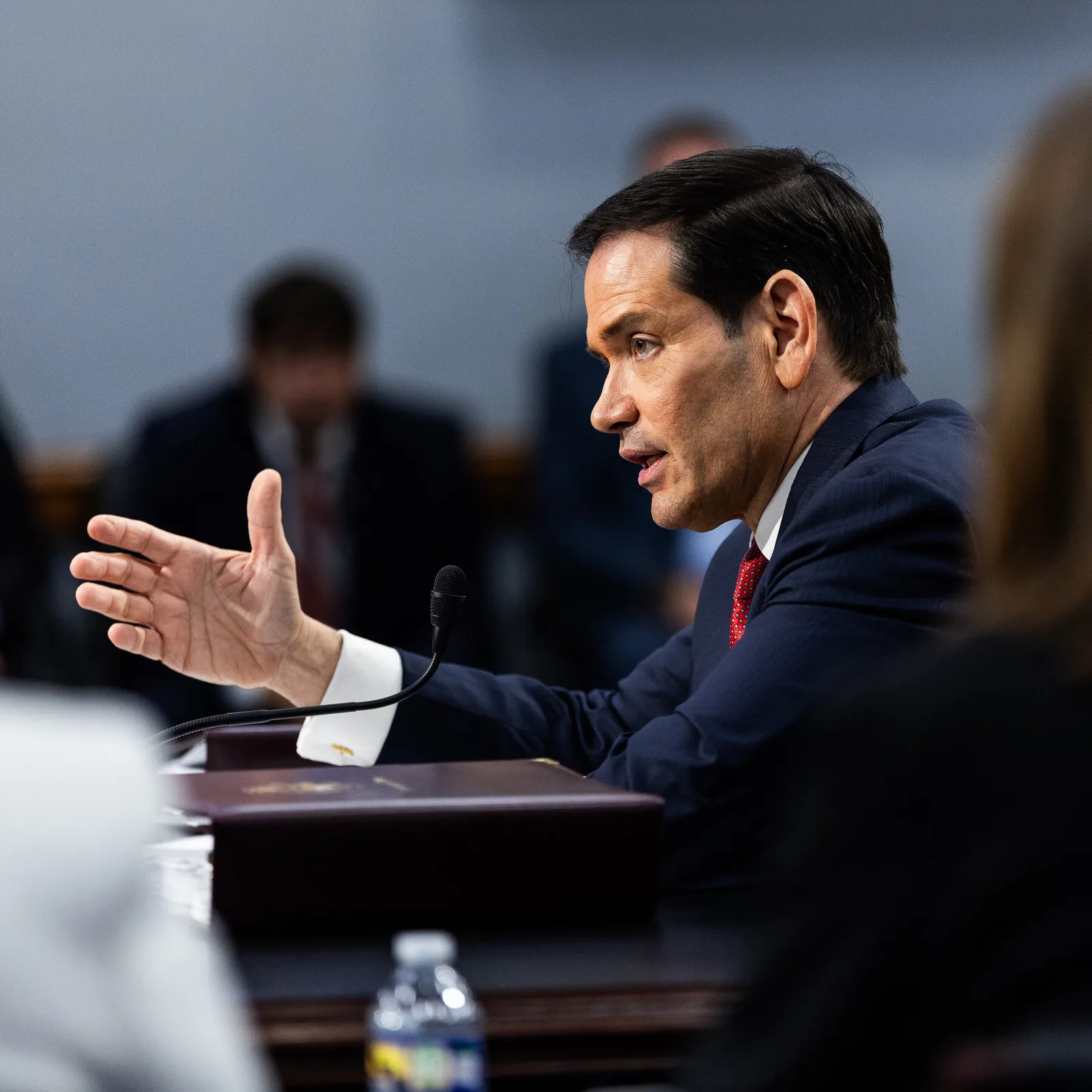
Secretary of State Marco Rubio said the United States will “dismantle” the International Criminal Court. The consequence is a sharper, more sustained standoff that can ripple into compliance, travel, and legal risk planning worldwide.
Secretary of State Marco Rubio has vowed the United States will “dismantle” the International Criminal Court, “brick by brick, if necessary.” That phrase matters because it signals not a one-off protest, but a long-running strategy aimed at weakening an institution designed to hold individuals accountable for grave crimes.
Rubio’s announcement lands in the center of a broader U.S. policy pattern: Washington has repeatedly criticized the ICC’s reach and mechanisms, and this latest step is framed as a direct effort to undermine the court’s ability to operate. When a top U.S. official describes dismantling in literal construction terms, the message is that political opposition will translate into concrete administrative, legal, and diplomatic pressure. For decision-makers, that means the ICC fight is no longer just about distant doctrine. It becomes a live variable in how institutions, governments, and companies think about jurisdiction, enforcement, and exposure.
To understand why this could matter inside boardrooms and compliance departments, it helps to remember how the ICC works. The International Criminal Court is meant to prosecute certain types of grave crimes, targeting individuals rather than states. That is a deliberate design choice. The court’s existence effectively creates a global legal “threat model” that can follow leaders across borders. So when the United States signals an intention to dismantle the court, it is not only contesting legal theory. It is trying to shrink the practical risk that ICC authority creates for officials and their networks.
This has obvious diplomatic stakes, but second-order implications spread further than people expect. Compliance programs for multinational enterprises often include “rule-of-law” and sanctions-adjacent components: monitoring cross-border enforcement trends, mapping where investigations could occur, and preparing for government requests and legal process. Even without inventing new rules, a more aggressive U.S.-ICC posture can shift which jurisdictions feel safest, which relationships require extra documentation, and how risk teams interpret timelines. If enforcement pathways appear less predictable, firms and investors tend to over-index on internal controls and contracting clarity, because legal uncertainty raises the cost of being wrong.
There is also a governance and incentives angle. International courts live and die by legitimacy, cooperation, and predictable procedures. When a powerful country articulates a willingness to dismantle “brick by brick,” it increases pressure on stakeholders who may have been neutral or cautious. Governments that cooperate with the ICC could face political backlash from Washington or from domestic constituencies that take the U.S. framing seriously. Meanwhile, officials in countries with complex human rights records may have stronger incentives to coordinate legal defenses around the idea that the ICC’s operating environment is deteriorating.
For business leaders, the practical question becomes: what does “dismantle” mean in the policy ecosystem? The source does not list specific actions beyond Rubio’s commitment to dismantling the ICC. But policy commitments at this level typically translate into a mix of diplomatic moves and regulatory posture changes, which can affect everything from treaty alignment to how U.S. government entities approach international legal engagements. Even if the ICC continues to exist as an institution, the real world outcome executives care about is whether cooperation patterns weaken, whether cases face greater friction, and whether the perceived likelihood of ICC process declines or shifts.
The strategic stakes are not theoretical. Executives and boards making decisions about global footprints, executive travel, and government-facing partnerships are managing a growing portfolio of legal and regulatory risks. A more confrontational U.S. stance toward the ICC increases the chance that high-profile leaders, public officials, and organizations tied to them will become entangled in politicized legal narratives. That can raise reputational risk and legal process risk at the same time. In the short term, you may not see new regulations announced tomorrow. In the medium term, you can see the operating environment for international accountability harden into something more adversarial and less predictable.
In short, Rubio’s “brick by brick” language suggests a durable campaign to undermine the ICC’s authority. For decision-makers, the right response is not panic. It is disciplined monitoring: track U.S.-ICC developments as a governance variable, stress-test compliance and crisis plans for jurisdictions where legal exposure could be politicized, and ensure legal and policy teams are aligned on how to communicate and document decisions when international oversight institutions become political battlegrounds.
This story's Key Insights and Take-aways are locked.
Create a free account to unlock Executive Actions for one credit.
Register to UnlockAlways free for Executives Club members. Join the Club
More in Politics
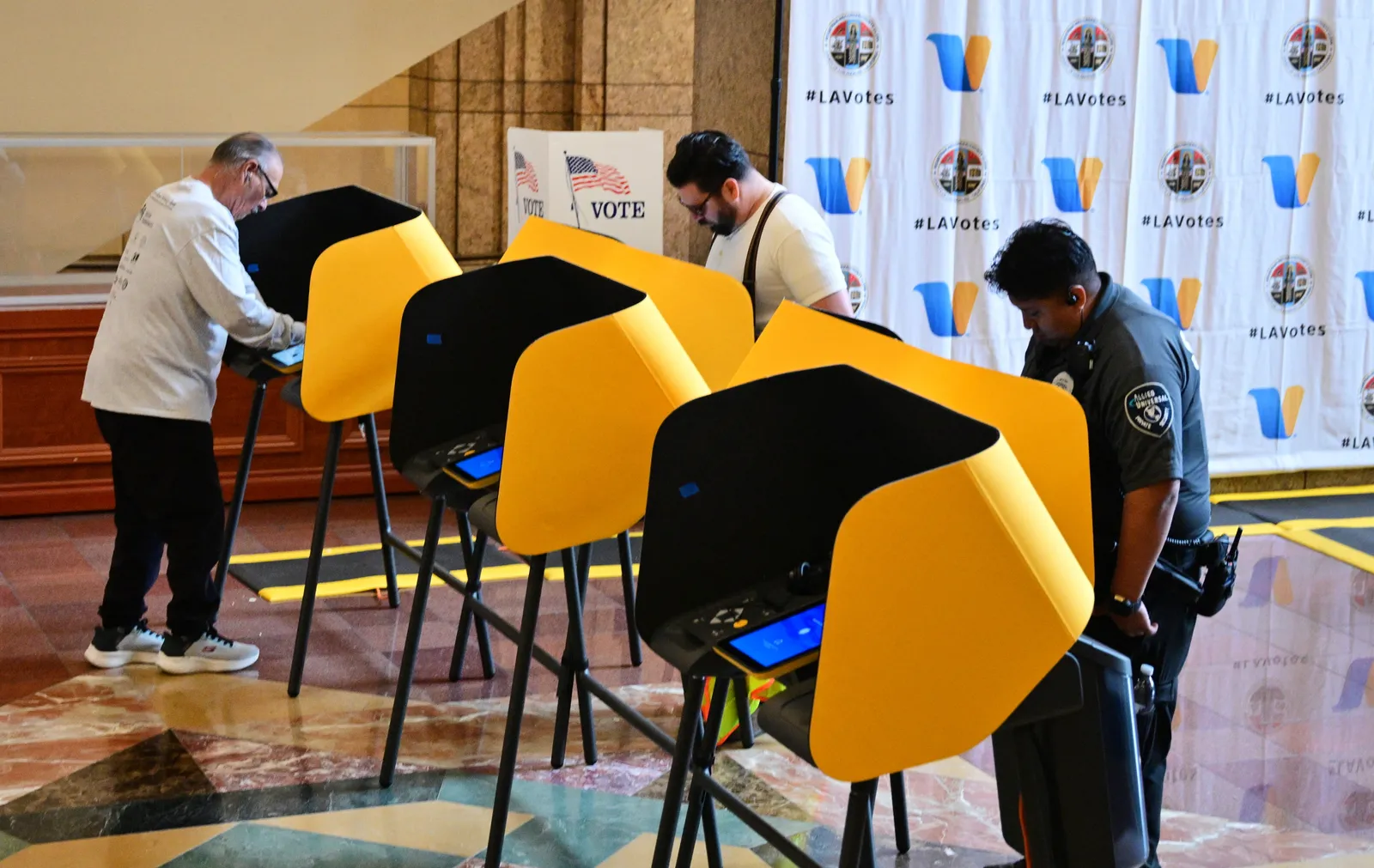
LA County: DOJ's 20,000 'noncitizen' voter list is 'unreliable,' includes U.S.-born
Preliminary review by Los Angeles County election officials finds errors in the federal list, raising the stakes for voter roll integrity ahead of November.
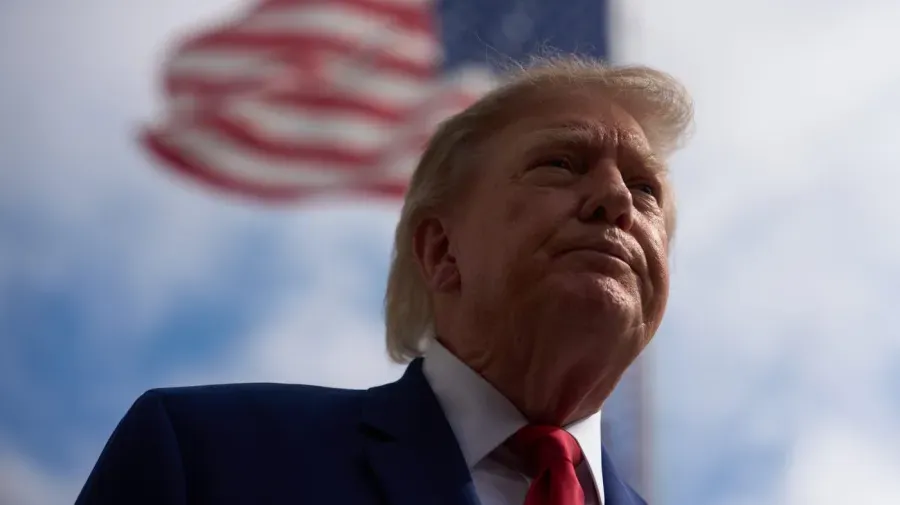
Trump's $1.5B Pentagon chip investment lands in North Carolina
A $1.5 billion defense infusion for North Carolina chipmaking signals a new era of Pentagon-backed reshoring - here's what it means for the industry.
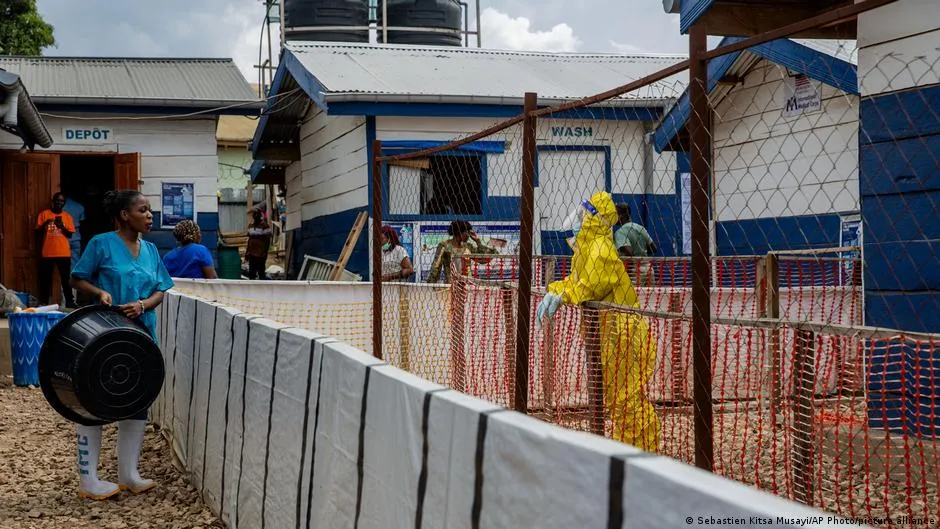
Nigeria confirms first Ebola case in Abuja, a woman just off a Uganda flight
Health Minister Muhammad Ali Pate says the patient flew in from Uganda, putting Africa's latest outbreak on Nigeria's doorstep.