
Mark Kelly turns Gabby Giffords’s “symbiotic” partnership into a campaign risk test
A 2011 shooting reshaped their lives, their conversations, and the question Democrats can’t dodge: can it translate to presidential heat?
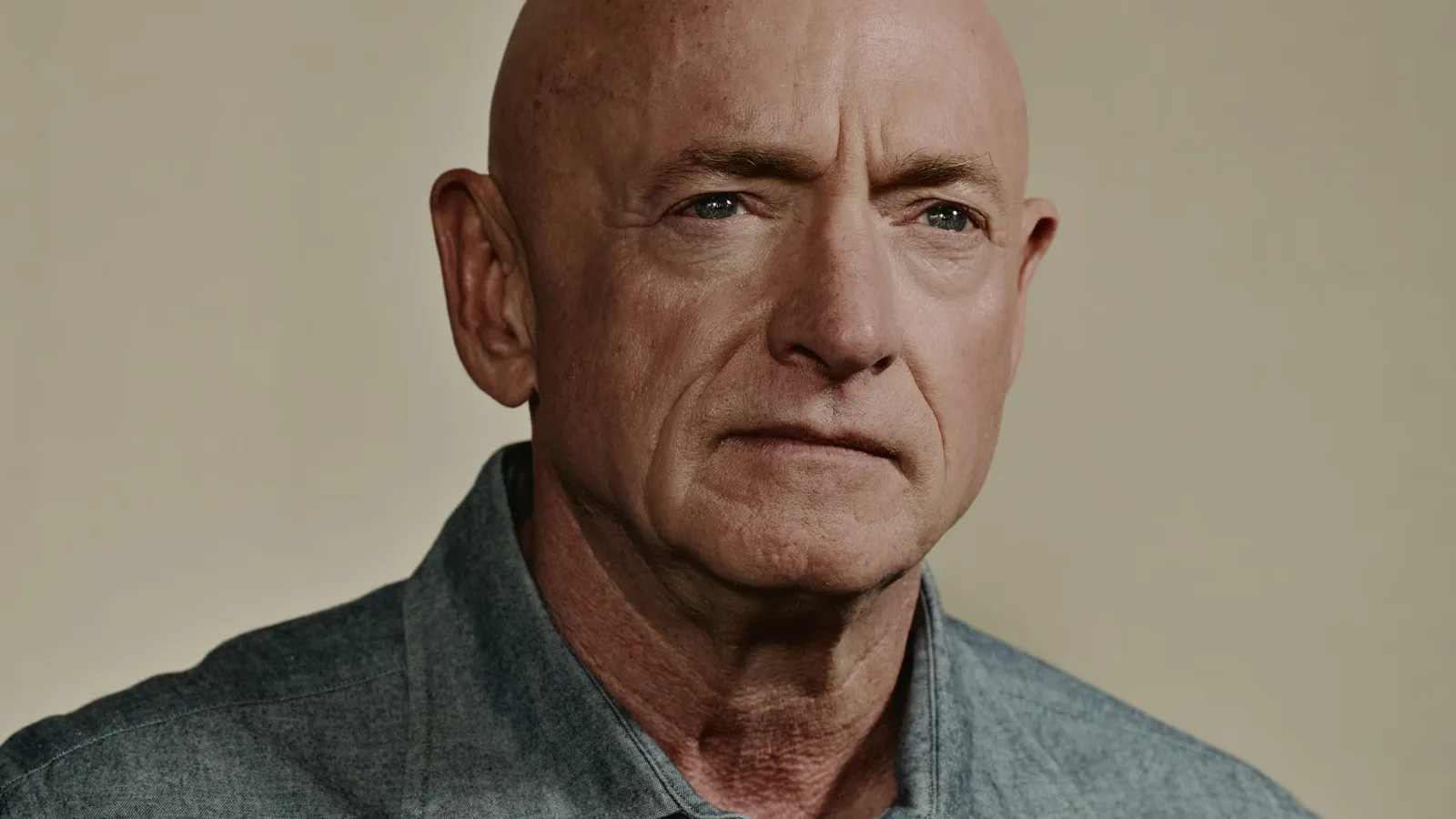
Senator Mark Kelly, a retired Navy pilot and former NASA astronaut married to former congresswoman Gabby Giffords, has built a public life tightly intertwined with her recovery after the 2011 Tucson mass shooting. For decision-makers tracking potential 2028 Democratic contenders, the real test is whether their rare dynamic survives the demands of a presidential campaign.
“My wife, Gabby, was shot in the head.” Senator Mark Kelly repeats those words with blunt consistency, as if the sentence is both a receipt and a compass. In 2011, Gabby Giffords, the former congresswoman, was grievously wounded in a mass shooting outside a Tucson Safeway. The attack ended her career in Congress and derailed her life in a way that is still physically and politically present: the acute brain damage left her with “non-fluent aphasia,” a condition that does not affect intelligence or comprehension, but makes relaying words difficult.
That context matters for the campaign question haunting anyone watching Kelly. The Atlantic describes Kelly’s caregivers-and-public-life pivot as something forced by circumstance: after Tucson, he created a new course as caregiver, public figure, and severe critic of President Trump and his defense secretary, Pete Hegseth. And in the reporting, when the conversations shift from private life to public stage, Kelly’s partnership with Giffords appears unusually tight. During recent conversations, the piece says Kelly often repeats or finishes what she is trying to say. Their joint memoir, Gabby: A Story of Courage, Love, and Resilience, is used to quantify the change: Kelly estimates that before the shooting, Giffords did about 60 or 70 percent of the talking between them. After Tucson, he started carrying 95 percent of their conversations.
The article then shows what that looks like in practice, not as abstract “inspiration” but as day-to-day communication under pressure. The reporting sets the scene in Arizona around Phoenix: triple-digit heat, a grinding Friday afternoon, and a sequence of public events. They meet at a coffee shop, then the plan runs to a reception, followed by dinner, and then Giffords flies to Louisiana for a memorial service for eight children slaughtered in a mass shooting a few weeks earlier. Interviewing them is described as unlike anything the reporter has experienced in 25 years of reporting on politics, and the core reason is simple: the dynamic is not just personal, it is functional. It functions like a team.
Senator Kirsten Gillibrand, a close friend who was elected to Congress with Giffords in 2006, is quoted describing them as “very symbiotic.” In the same reporting, Gillibrand gives a vivid mechanism: Giffords can throw out a single word to prompt Kelly to tell an entire story. That pattern is observed in the article itself, from a conversation about a trip to Western China early in their relationship. Giffords says “China,” then “Gorilla. Monkey.” Kelly supplies “Oh, panda” and takes it from there, describing a panda preserve where for $80 visitors could be photographed holding a newborn. For $35, Kelly says visitors could photograph with a less adorable red panda, which he calls a “raccoon” but is in fact a scruffy little red panda. Giffords dubs it “Budget Panda,” and their humor keeps showing up as a pressure valve. “Danger, danger,” she says. “Oh yes, it’s endangered,” Kelly responds. Their photo still exists, and Kelly recalls Giffords’s mindset: she “has a smile on her face,” but then Giffords says, “Fuck!” The piece underlines that the humor is not a distraction from the stakes. It is how they manage them.
For executives and board-level observers, the second-order implication is about performance under constraints. Campaign politics is a high-pressure communication machine, where narratives have to land quickly, appearances multiply, and the wrong mismatch can feel like weakness. The Atlantic frames a tension: how this “unparalleled dynamic” plays inside the merciless spectacle of a presidential campaign. Kelly’s own public persona is described as reserved and even sheepish, which can belie a crowded, suspenseful past. The article lists the survival credits that inform his credibility: 39 combat missions in Desert Storm, a missile blowing up just above his plane, and four space-shuttle voyages, two as mission commander.
But it is also where the stakes tighten politically. The article states that Kelly now finds himself in “chilling conflict” with his own government. It also provides a concrete, uncomfortable line from politics into life-and-death language. Kelly underplays the threat, saying it is “not great to wake up one morning and to find out the president wants you hanged.” That comes from a series of Truth Social posts by Trump last November. Trump accused Kelly and five Democratic colleagues in the House and Senate of sedition after they made a video reminding U.S. service members of their duty not to obey illegal orders. Trump threatened to seek their execution.
The reporting also clarifies how Kelly learned of it. He says he did not actually “wake up” to the news. Instead, he was sitting next to another video participant, his Senate colleague Elissa Slotkin of Michigan, during a mid-morning briefing on Venezuela. A security officer passed Slotkin a note from an aide. The note said something like “President called for your arrest,” and Slotkin left the room, returned, and informed Kelly that Trump had called for his arrest too. Slotkin confirmed this account to the reporter, saying, “I just slid the note over to him,” and they “had a whole conversation with our eyes.” For decision-makers, this is the operative detail: the campaign environment is not merely rhetorical. It is escalating into direct threats, which changes how any potential candidate signals control, steadiness, and credibility.
Put together, the article suggests that Kelly’s campaign readiness cannot be judged only on biography. It is also about whether the “symbiotic” rhythm he shares with Giffords translates into the demands of national politics, including moments where Giffords’s speech is fragmented and Kelly has to carry meaning. Their relationship is described as a single entity in American public life, and that’s precisely why the question matters for Democrats planning beyond 2028: the same partnership that sustains resilience may create vulnerabilities in the spotlight. The real test is whether the bond becomes an asset in narrative discipline, or a liability when audiences demand effortless clarity. For executives watching politics like a risk model, the stake is straightforward: in a televised attention economy with threats in the mix, the ability to communicate under constraint is not just personal. It is strategic.
This story's Key Insights and Take-aways are locked.
Create a free account to unlock Executive Actions for one credit.
Register to UnlockAlways free for Executives Club members. Join the Club
More in Politics
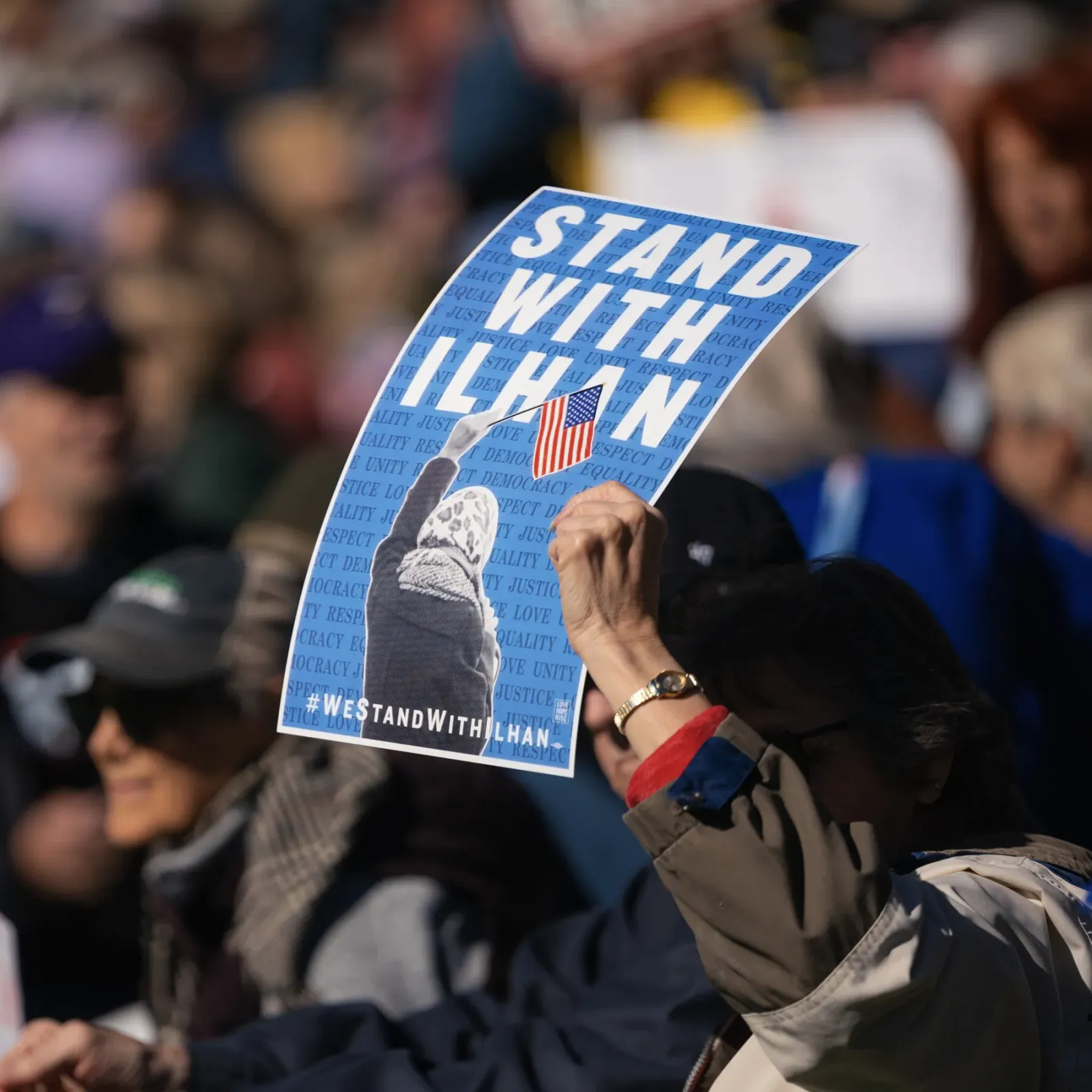
Obama Defends Ilhan Omar After Agents Search Her Home in Trump Inquiry
The former president's intervention raises the stakes in a federal probe into immigration paperwork that has put a prominent progressive lawmaker in the crosshairs.
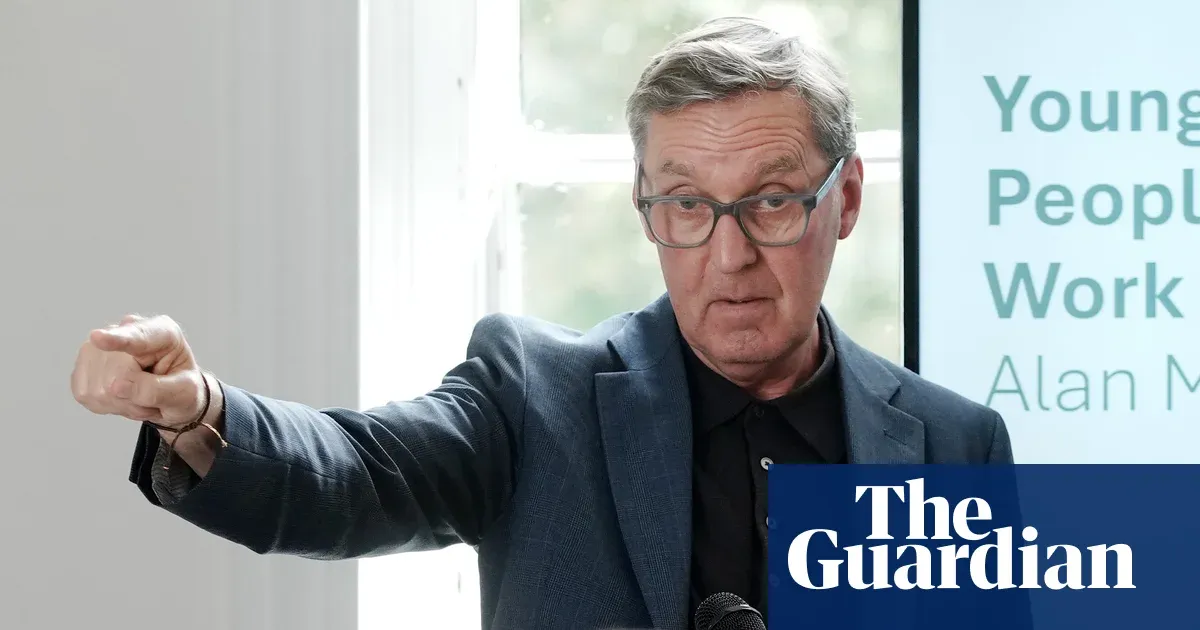
Blair-era minister: cut welfare to fund youth job support
Alan Milburn's call for welfare cuts to fund employment support opens a Labour fight over benefits and the Neet crisis.
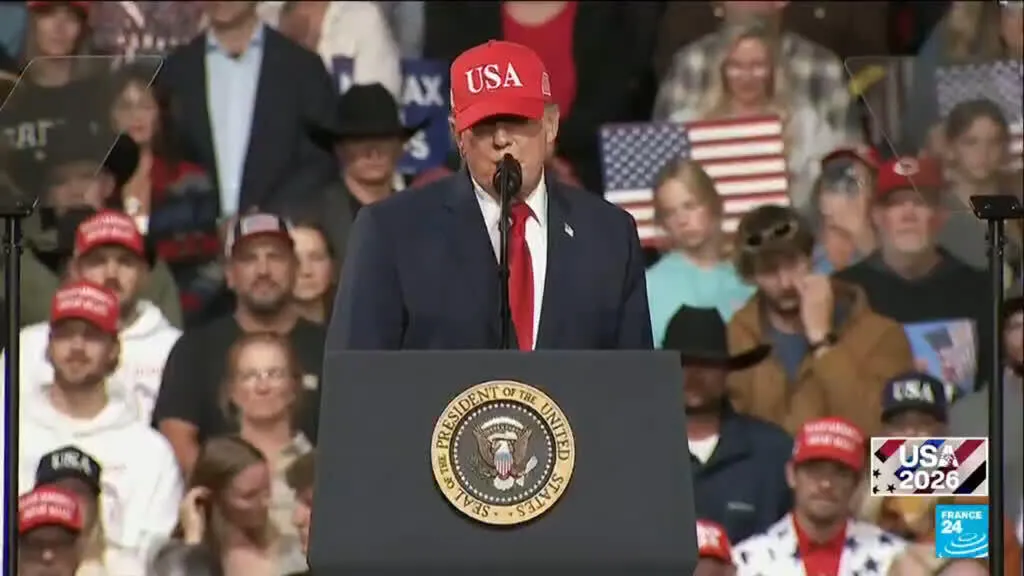
Hot September CPI: energy costs surge, voters feel the squeeze before midterms
The latest inflation print lands as Trump campaigns for GOP control of Congress, putting cost-of-living worries at the center of the midterm fight.