

Mark Ruffalo tells California AG: 'Do Not Cave' on Paramount-Warner Bros. settlement
A settlement would clear the studio merger; Ruffalo's push to kill it could force a trial with big implications for media consolidation.
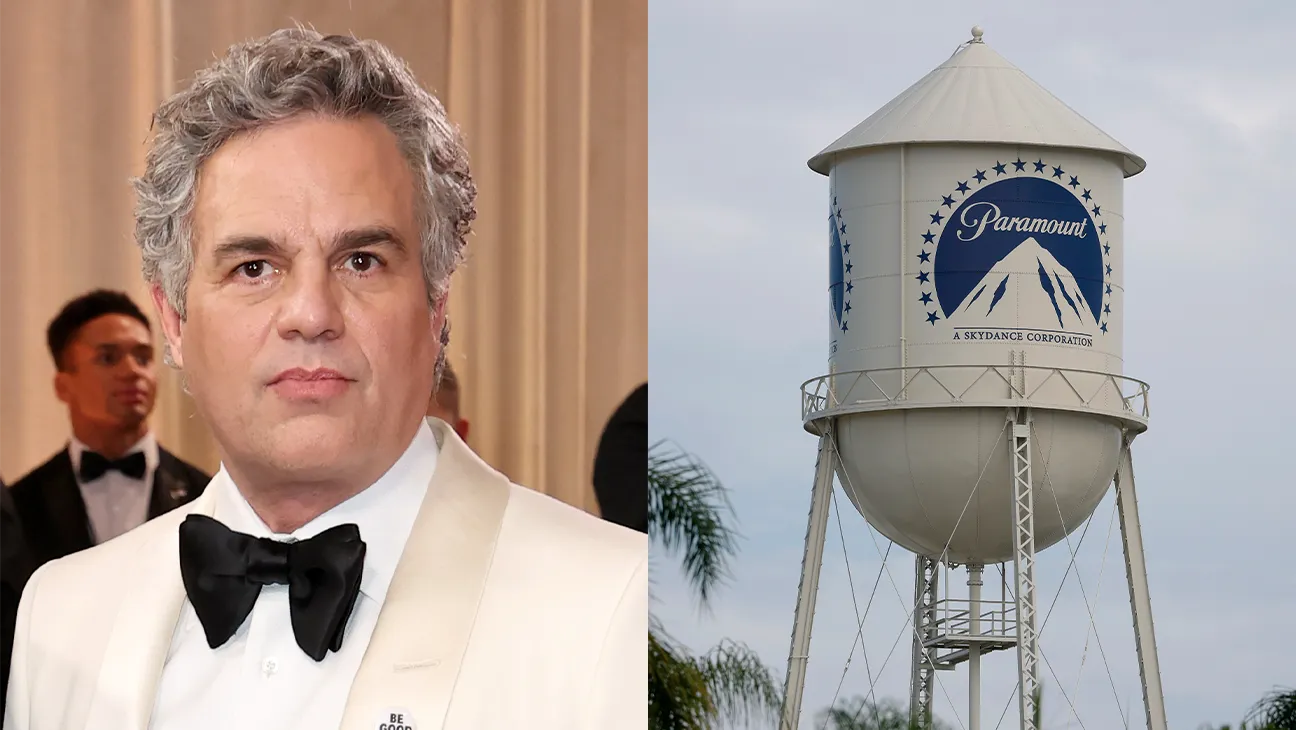
Mark Ruffalo publicly urged California's attorney general not to settle the antitrust lawsuit against the Paramount-Warner Bros. merger, saying "do not cave" as a deal nears. The outcome will determine whether the studios combine or face trial, with ripple effects for media dealmaking and celebrity influence on regulators.
Mark Ruffalo is turning up the heat on a regulator at the worst possible time for the studios. The actor and activist urged California's attorney general not to settle the antitrust lawsuit challenging the Paramount-Warner Bros. merger, delivering a blunt message: "Do not cave." His plea lands at a delicate moment: The Wall Street Journal reported Friday that Paramount and the states are closing in on a deal to settle the suit.
That settlement would let the merger proceed, likely with some concessions attached. Ruffalo wants the case to go to trial instead. He is betting that the states can prove the combination of two major studios would hurt competition, and he is using his celebrity platform to push a sitting regulator to abandon a negotiated resolution. For executives watching, this is a reminder that merger clearance is no longer just a conversation between lawyers and antitrust officials. Public figures can insert themselves into the process and move the political math.
The lawsuit itself fits a familiar pattern. State attorneys general frequently join or parallel federal antitrust enforcement, and media mergers have drawn scrutiny for decades. The concern is almost always the same: When studios consolidate, they gain outsized control over production, distribution, and pricing. That can mean fewer buyers for writers and directors, less variety for audiences, and more leverage for the merged company in negotiations with streaming platforms and theaters. California's attorney general is among the state enforcers who signed on to this challenge, and Ruffalo is specifically targeting that office.
Why would an actor matter in an antitrust fight? Because these cases are as much about public sentiment as they are about legal doctrine. State AGs are elected officials, and they respond to political pressure.
This story's Key Insights and Take-aways are locked.
Create a free account to unlock Executive Actions for one credit.
Register to UnlockAlways free for Executives Club members. Join the Club
More in Business

Royal Caribbean just spent $3B to own half of Sandals
The cruise giant is buying a 50% stake in the all-inclusive resort chain for $3 billion, a bet that land-based vacations are the next growth engine.

Paramount's Ellison: Merger Clearance Done, WBD Deal by Oct 1
David Ellison says the Paramount-WBD merger has full clearance after settling with state AGs, clearing the path for an October 1 close.
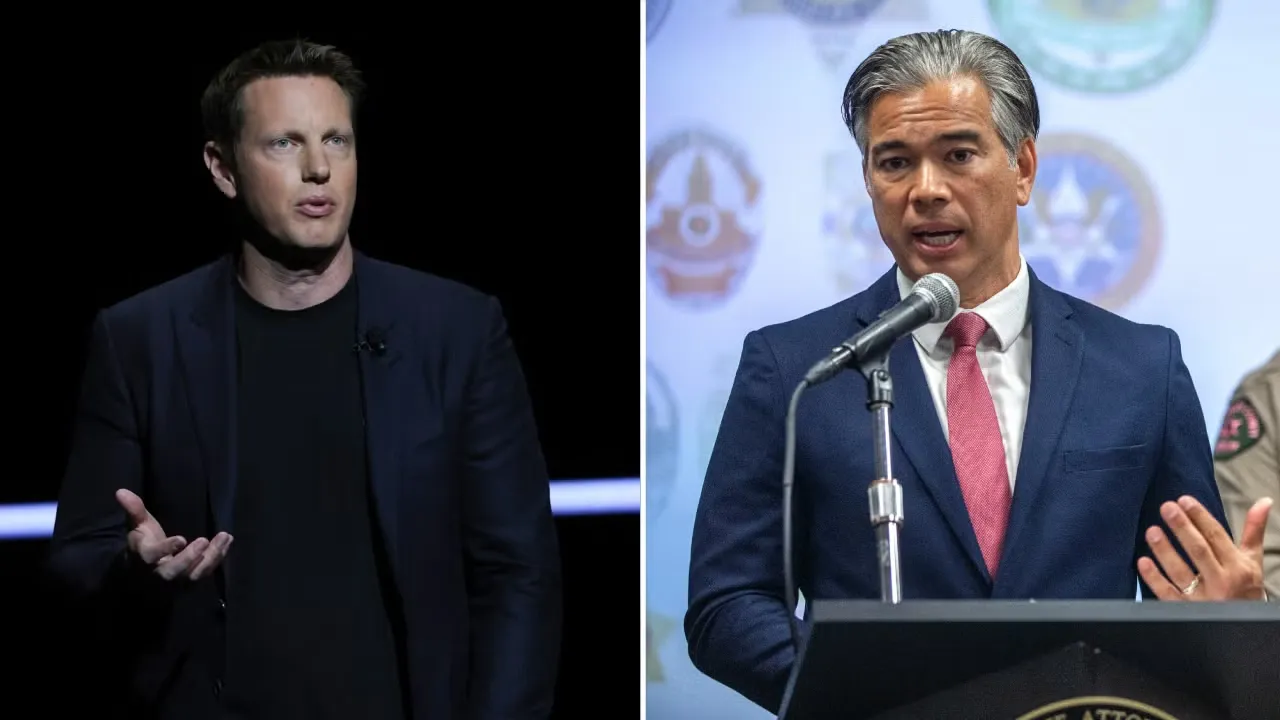
Paramount settles with 12 states, $110B Warner merger clears final hurdle
David Ellison's studio avoids a March trial and a $7M-a-day ticking fee by settling with state AGs over local job losses.