

Markiplier's self-funded film grossed $50M. His advice? Skip Hollywood's control.
The 37-year-old YouTuber proves creators can self-finance and own theatrical hits, but warns it requires learning, grunt work, and personal financial risk.

Markiplier (Mark Fischbach), a 37-year-old YouTuber with nearly 40 million subscribers, wrote, directed, and starred in the independently funded film "Iron Lung," which grossed over $50 million worldwide. The result challenges the Hollywood assumption that creators must surrender control and signals that top digital talent can self-finance and distribute theatrical releases.
Markiplier, the 37-year-old YouTuber with nearly 40 million subscribers, did what most creators are told is impossible: he wrote, directed, and starred in a movie, funded it himself, and watched it gross more than $50 million worldwide. The independently released film "Iron Lung" was backed by a budget in the low seven figures, making the box-office haul a spectacular outlier in a distribution landscape where studios typically hold the keys. For Mark Fischbach, Markiplier's real name, the project was a proof point, not just a paycheck.
His takeaway is a direct challenge to Hollywood orthodoxy. "In Hollywood, it is kind of like a foregone conclusion that you'll have to give up all control to be able to do anything," Fischbach told Business Insider. "I'm like, 'No, I don't think that should be.'" He argues that more creators should try to enter traditional media on their own, so long as they are ready to learn, wear many hats, and take on financial risk. The $50 million gross is the evidence he points to: creators can convert audience into box office without ceding the project.
That claim would have been hard to sell a decade ago. When social media was still emerging, influencers measured success by landing a TV deal or a movie role. Liza Koshy and Bretman Rock signed on for TV shows, but YouTube fame did not always translate to ratings; the results were mixed. For every web series that became a TV darling, like Comedy Central's "Broad City," there was a project that stalled out and was canceled, such as NBC's late-night show from YouTuber Lilly Singh. The pipeline ran one way, from internet to Hollywood, with Hollywood holding the leverage.
The dynamics have flipped. YouTube is now the top destination on US TV screens, reaching more than 14% market share and beating Netflix and Disney in Nielsen's measurement. Former TV stars like Don Lemon, Alton Brown, and Tucker Carlson are building large audiences as independent creators on YouTube and other platforms. That shift has made top creators collectively powerful. "YouTubers as a conglomerate are this powerful entity that hold sway and a lot of eyeballs are always on them," Fischbach said.
Still, theatrical distribution is a different game. Fischbach said even putting "Iron Lung" on YouTube, his native platform, came with its own set of headaches. "Even with my exclusivity deal with YouTube for distribution digitally, there's a lot that I had to learn for even setting up with their system," he said. "It's not like YouTube where you can just upload a video." His willingness to grind through the busywork was intentional. "I felt like it was symbolically important to carry it from start to finish" and "show that it could be done," he said.
He thinks other creators can pull it off, especially as theaters open more doors for independent talent. AMC Theaters, for example, has offered new ways for independent stars like Taylor Swift to release movies in cinemas. "There are a lot of creators out there that have the ability to take hold of a project and steer it correctly with their own vision," he said. "They have to expect a lot more out of themselves, and they have to do a lot more work, but at the end of the day, it'll be their vision, and it'll be something unique that only they have created." The caveat: Hollywood is littered with a century of self-funded mogul dreams that failed, and there have been plenty of creator projects, even recently, that could not translate a massive social audience into another medium.
For Markiplier, the risk is part of the drive. "I really find purpose in the creative process itself," he said, noting he is not trying to hand his business to an outside team. "My objective is not to become an empire," he added. "When I'm done, my YouTube channel will be done. It doesn't go any farther than that, mostly just because I love making things." That stance is a quiet rebuke to the expansion-at-all-costs playbook, and a reminder that for some creators, control and creative purpose matter more than scale.
For executives and boards watching from media companies, the implications are concrete. A creator with tens of millions of loyal viewers can now bypass traditional development, finance a project out of pocket, and deliver a theatrical hit. That changes negotiating leverage for talent deals, distribution agreements, and IP ownership. It also raises the bar for incumbent studios: if the most valuable audience is on YouTube, the most valuable creative talent may no longer need Hollywood's permission. At the same time, the risks are real: distribution remains complex, and a single miss can erase years of goodwill and capital. The creators who succeed will be the ones who treat filmmaking like the next YouTube video, with the same iterative learning and ownership of the outcome.
This story's Key Insights and Take-aways are locked.
Create a free account to unlock Executive Actions for one credit.
Register to UnlockAlways free for Executives Club members. Join the Club
More in Business
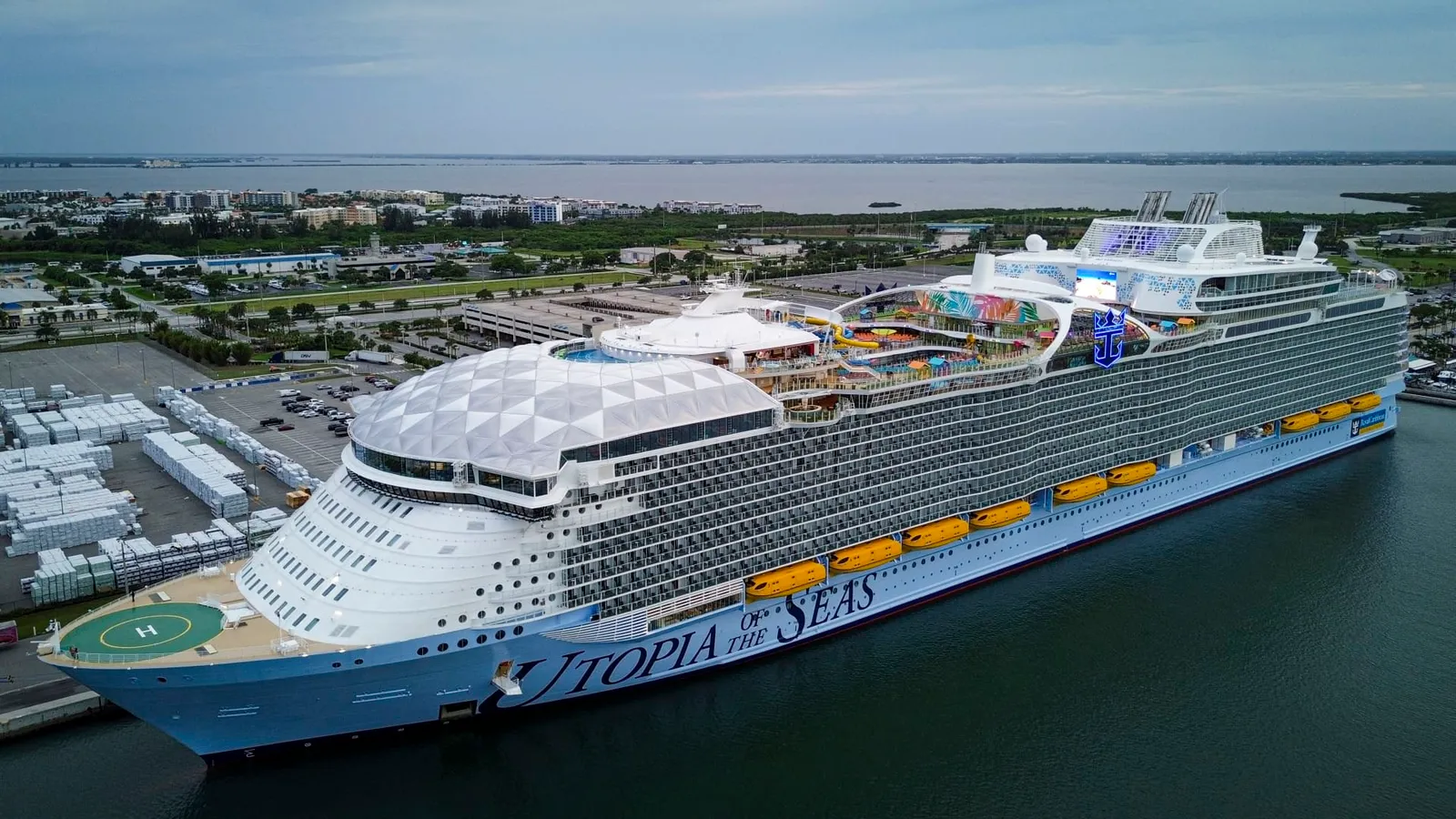
Royal Caribbean just spent $3B to own half of Sandals
The cruise giant is buying a 50% stake in the all-inclusive resort chain for $3 billion, a bet that land-based vacations are the next growth engine.

Paramount's Ellison: Merger Clearance Done, WBD Deal by Oct 1
David Ellison says the Paramount-WBD merger has full clearance after settling with state AGs, clearing the path for an October 1 close.
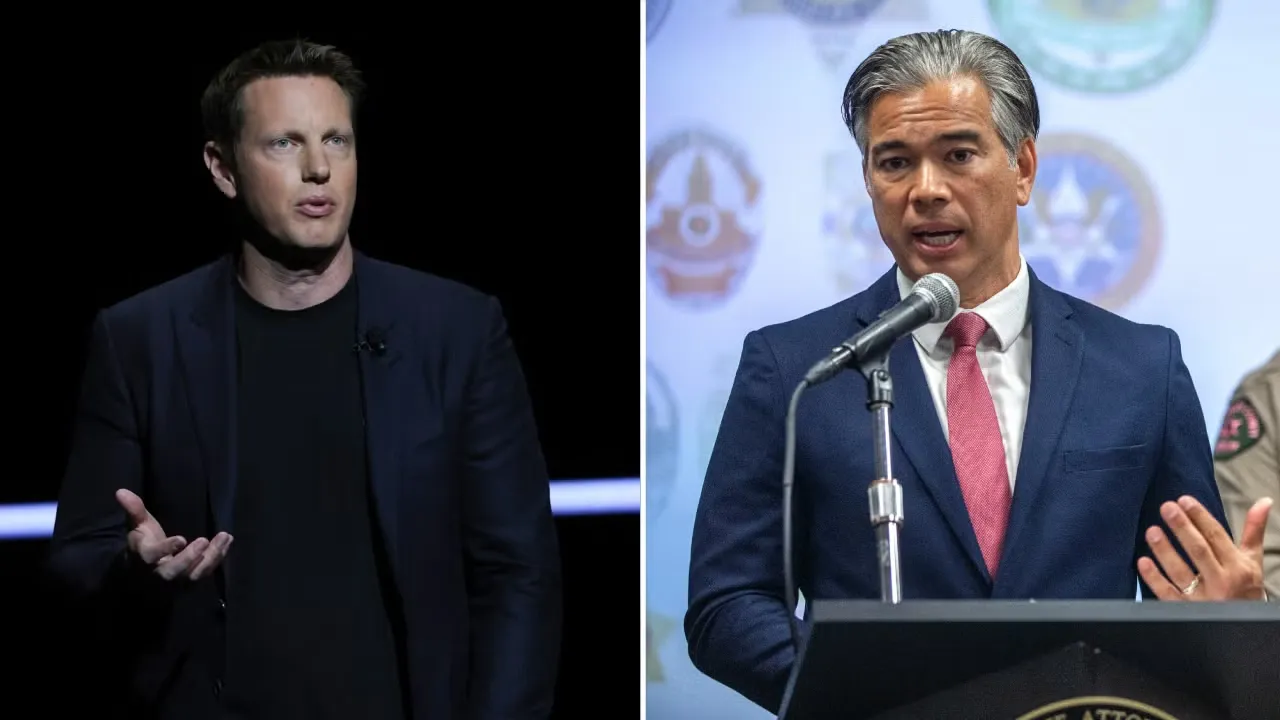
Paramount settles with 12 states, $110B Warner merger clears final hurdle
David Ellison's studio avoids a March trial and a $7M-a-day ticking fee by settling with state AGs over local job losses.