

Markwayne Mullin orders ICE stop, then Trump reverses it on social media
A one-day pause on most traffic stops became a loyalty test inside DHS, with real bodies on the ground.

Markwayne Mullin, newly sworn in as Secretary of Homeland Security, ordered an emergency halt to most ICE vehicle stops after officers killed two people in Texas and Maine. The next morning, President Trump reversed the order on social media, leaving Mullin scrambling to square public safety with the administration’s deportation push.
Markwayne Mullin’s most consequential DHS decision lasted about one day. After ICE officers killed two people in separate incidents, Mullin ordered an emergency halt to most traffic stops. Then, the next morning, President Trump reversed the order on social media, undercutting Mullin’s authority while MAGA hard-liners celebrated the rollback.
The triggering facts were immediate and brutal. In Texas, ICE officers killed a Mexican construction worker with three American sons after officers were reportedly looking for men other than the one they killed. In Maine, a Colombian delivery driver was killed and his 3-year-old daughter saw him lying dead in the street. DHS officials said the officers fired defensively during chaotic vehicle stops, but the department did not provide body-camera footage to support those claims. After phone calls with Maine’s senators, including Susan Collins, Mullin ordered the pause, and many were surprised the White House even allowed it to stand overnight.
What makes this more than a messy day in immigration enforcement is how it reveals the internal power dynamic of Trump’s DHS. Mullin wasn’t fired. His authority was simply… reduced. And that’s exactly the point for a department built around security theater and operational discipline. DHS is usually “buttoned-up,” created after September 11 to project steady resolve. Under Trump, the department has become far more partisan, and Mullin has done nothing to indicate he plans to impose boundaries.
Mullin is also, by background, an unusual operator for this job. He started as a relatively blank slate, not a border-state specialist and not someone with a deep immigration policy or counterterrorism background. He never served in the military or law enforcement, and he did not work on congressional committees that directly oversee DHS and immigration. Before politics, he was a former wrestler and mixed-martial-arts fighter. In Washington, he earned attention for organizing vigorous bipartisan workout sessions while serving in the House for a decade and the Senate for three years.
The administration, though, appears to have valued something else more than expertise: loyalty and fight-readiness. The president liked Mullin because he “truly gets along well with people” and is also a “MAGA Warrior” ready to brawl in congressional hearings and cable-news appearances on Trump’s behalf. For business-minded readers, the translation is simple: Mullin was hired less as a technical specialist and more as a high-trust operator who would reliably execute the boss’s agenda, even when it gets operationally ugly.
That operational ugliness is the core tension. Trump supporters want a record-breaking deportation campaign. But when DHS ramps up ICE enforcement intensity, the broader public recoils from the violence it generates. Mullin is caught between those forces and he does not have the buffer of a long, institution-specific command chain. Some DHS officials described him as someone who isn’t used to getting permission from superiors and lacks immigration-issue experience to fully understand the implications of decisions like halting vehicle stops.
Then there is the loyalty backstory that helps explain why Mullin has repeatedly moved as Trump’s extension. His personal narrative is not subtle. His son Jim suffered a blow to the head during a wrestling match in 2020, collapsed, lost a pulse, and turned blue; after 26 hours in the hospital, Jim didn’t recognize his parents and had the motor skills of a toddler. Mullin says Trump offered his plane to fly Jim to a rehab clinic in California, visited him, called every week for a year and a half, and that Trump’s affection helped Jim reclaim memories and stay motivated. Mullin also stated that he was “on the same page” with Trump regarding ICE tactics and priorities.
That bond matters because it likely makes “limits” harder to apply. Mullin declared he would follow Trump “into any situation” and has. After Jim’s injury, Mullin joined Trump in falsely claiming the 2020 election had been stolen, holding to that position even after confronting rioters as they tried to break into the House chamber on January 6. As a senator, he championed Trump’s massive spending bill last year despite running first as a fiscal hawk. And in March, when Trump asked him to replace the scandal-ridden Kristi Noem at DHS, Mullin gave up what could have been a long congressional career for a job described as one of the worst in Washington: a political hot seat with security responsibilities atop a bureaucratic mash-up of 22 agencies and subagencies and 275,000 employees.
Since Noem’s ouster after January killings of two U.S. citizens protesting ICE in Minneapolis, pressure has only increased. Two days after the public reversal on vehicle stops, Mullin held a media briefing next door to the White House to push Trump’s favorite issue, echoing claims about election fraud while issuing threats to state officials who refuse to hand over voter data. When a reporter asked whether Trump had known in advance about the order halting ICE vehicle stops, Mullin insisted there was “no daylight” between them, then framed his approach as dialing “the temperature of the stove” so it could be “correct” without “boiling over.” When pressed to clarify, Mullin said the goal was less intense media coverage, not less aggressive ICE operations.
For executives, investors, and board-level operators watching this, the lesson is not about immigration as an abstract policy. It’s about how decisions get made when a system is driven by loyalty and public messaging as much as by operational safety. In a department with 275,000 employees and 22 agencies and subagencies, a one-day halt followed by a social-media reversal is a governance signal: leadership can publicly override process instantly, and the person in the seat absorbs the political cost.
The strategic stake for peers in similar roles is whether internal checks exist when frontline outcomes, public perception, and the principal’s agenda collide. Mullin’s trajectory suggests that in this administration, “normalcy” is not the product. The question is whether the next operational crisis produces a bigger scramble, or whether loyalty absorbs the damage again.
This story's Key Insights and Take-aways are locked.
Create a free account to unlock Executive Actions for one credit.
Register to UnlockAlways free for Executives Club members. Join the Club
More in Politics
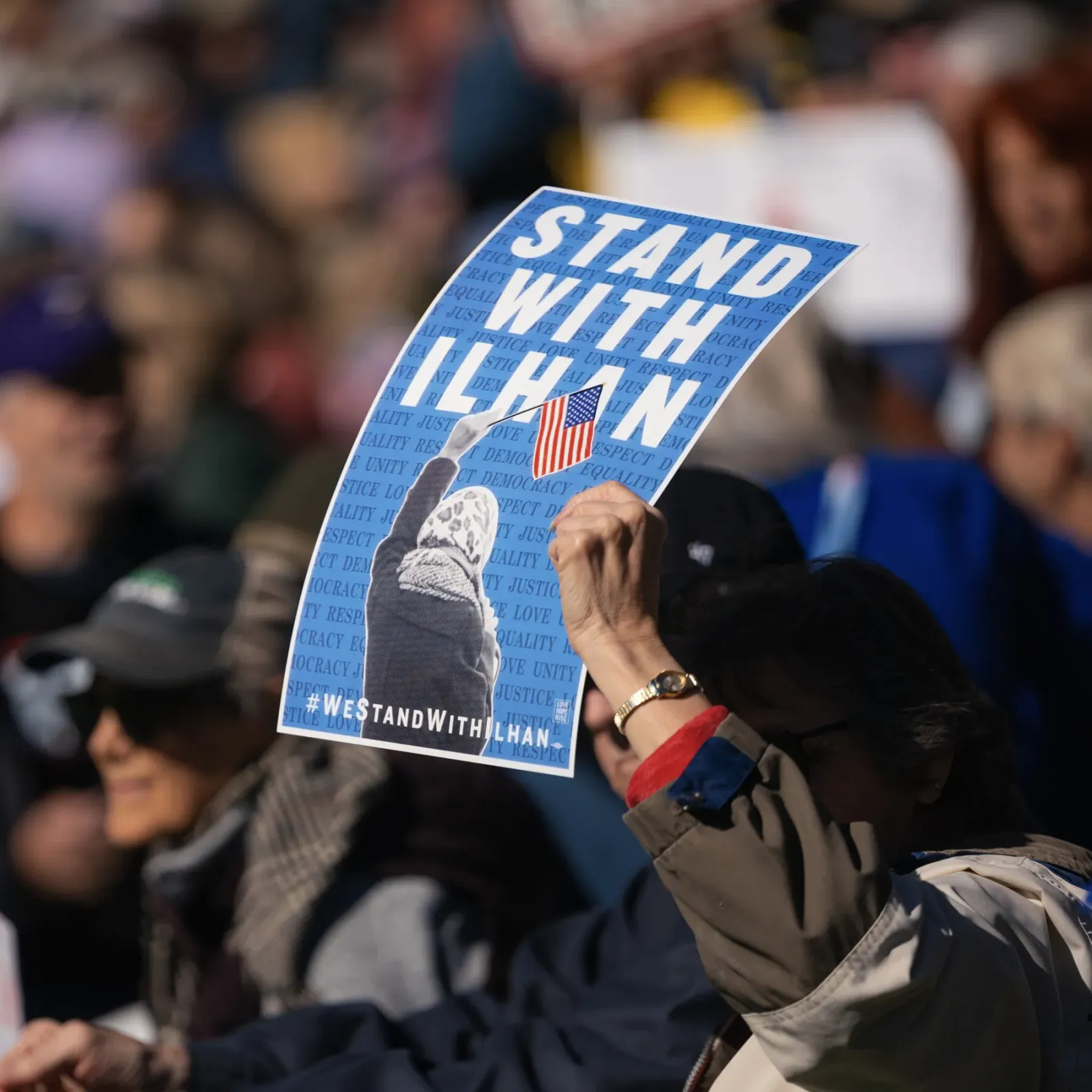
Obama Defends Ilhan Omar After Agents Search Her Home in Trump Inquiry
The former president's intervention raises the stakes in a federal probe into immigration paperwork that has put a prominent progressive lawmaker in the crosshairs.

Blair-era minister: cut welfare to fund youth job support
Alan Milburn's call for welfare cuts to fund employment support opens a Labour fight over benefits and the Neet crisis.
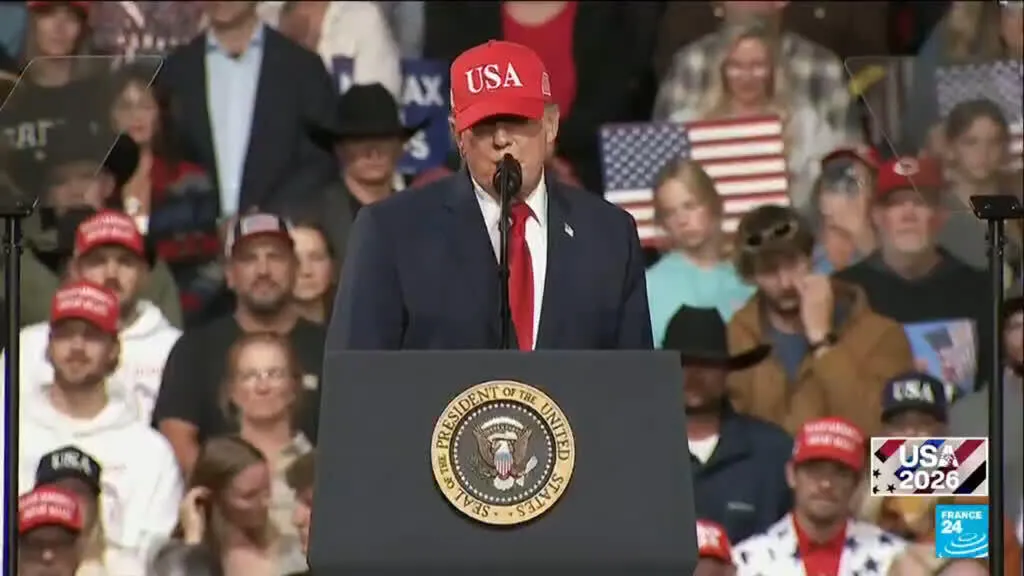
Hot September CPI: energy costs surge, voters feel the squeeze before midterms
The latest inflation print lands as Trump campaigns for GOP control of Congress, putting cost-of-living worries at the center of the midterm fight.