
Martinelli rescues Brazil at 2-1, scoring in stoppage time vs Japan
A last-gasp goal in Houston flips a halftime hole into a Round of 32 knockout and resets the tournament conversation.

Gabriel Martinelli scored Brazil's winner in the fifth minute of second-half stoppage time against Japan on Monday in Houston. The 2-1 Round of 32 win, reported with reaction from Rio, matters because it shows how momentum swings can determine knockout futures.
Brazil did not just beat Japan 2-1 on Monday in Houston. It escaped a halftime hole and completed the kind of late-match reversal that changes how teams prepare for every next decision. Gabriel Martinelli scored the winning goal in the fifth minute of second-half stoppage time, turning a tense Round of 32 match into an immediate, ruthless elimination of Japan.
The headline moment is the same one fans will replay for days: Martinelli netting in second-half stoppage time to break the deadlock, then Brazil finishing the job as the match ended 2-1. France 24’s Jan Onoszko brings the reaction from Rio, but the bigger takeaway for anyone tracking how pressure works is that knockout football punishes complacency at exactly the wrong time. You can be “in control” at halftime and still be out of the tournament by the next clock tick.
In World Cup tournaments, the incentive structure is brutally simple: survive the match, advance the bracket. That makes tactical risk and timing more important than style. Brazil’s ability to climb out of a halftime hole suggests the team corrected something significant after the break. In business terms, it is the difference between a plan that only works during the first half of the meeting and a plan that survives the moment the room turns hostile. Knockout rounds reward late learning, not early confidence.
For Japan, the result is a reminder that 90 minutes is not a complete unit in these games. With stoppage time, “game state” keeps evolving after the scheduled end. The match clock is essentially rewritten by refereeing decisions, and teams that manage substitutions, pressing intensity, and ball retention late often decide whether stoppage time becomes a footnote or the main storyline. When Martinelli scored in the fifth minute of second-half stoppage time, he did it at the exact intersection of fatigue, decision pressure, and last-chance desperation.
This is also why the reaction from Rio matters beyond sports trivia. Cities and supporter groups treat World Cup matches like high-signal national moments, because they change reputations overnight. A late winner can reshape how players are perceived, how coaching choices are defended, and how confidence spreads through a squad. That ripple effect is real for boards and executives in any competitive domain: when outcomes swing quickly, narrative becomes part of performance. People start to believe the turnaround is “who the team is,” even if the underlying match drivers are more complicated.
Zoom out to the tournament level and you see how one match changes the risk math for the next opponent. Brazil’s win forces the next team to account for a specific threat pattern: an opponent that can regroup after halftime and still create decisive moments late. In knockout formats, that means scouting cannot stop at first-half tendencies. It has to include what a team does in the 70th minute onward, how it handles game-state volatility, and how it sustains attacking threat when legs are heavy and nerves are loud.
There is also a human capital angle for teams managing talent. A goal like this, delivered by Gabriel Martinelli in second-half stoppage time, is the kind of instance that can influence rotation, development focus, and internal trust. Executives do not manage footballers directly, but they manage the systems that determine who gets minutes, how coaches are supported, and how performance is evaluated. Knockout success creates momentum in the decision-making loop, and momentum can turn into a lasting advantage if it translates into better preparation rather than just louder optimism.
Bottom line: Brazil’s 2-1 Round of 32 win over Japan on Monday in Houston, with Martinelli’s stoppage-time winner in the fifth minute of second-half time, is a case study in how quickly reality changes in a single-elimination world. If you are responsible for strategy in a high-stakes environment, the lesson is not “be lucky.” It is that late execution can overwhelm halftime narratives, and the teams that treat pressure as data rather than drama are the ones that keep advancing. The reaction from Rio is just the public version of that same truth, played out on a global stage.
This story's Key Insights and Take-aways are locked.
Create a free account to unlock Executive Actions for one credit.
Register to UnlockAlways free for Executives Club members. Join the Club
More in Politics
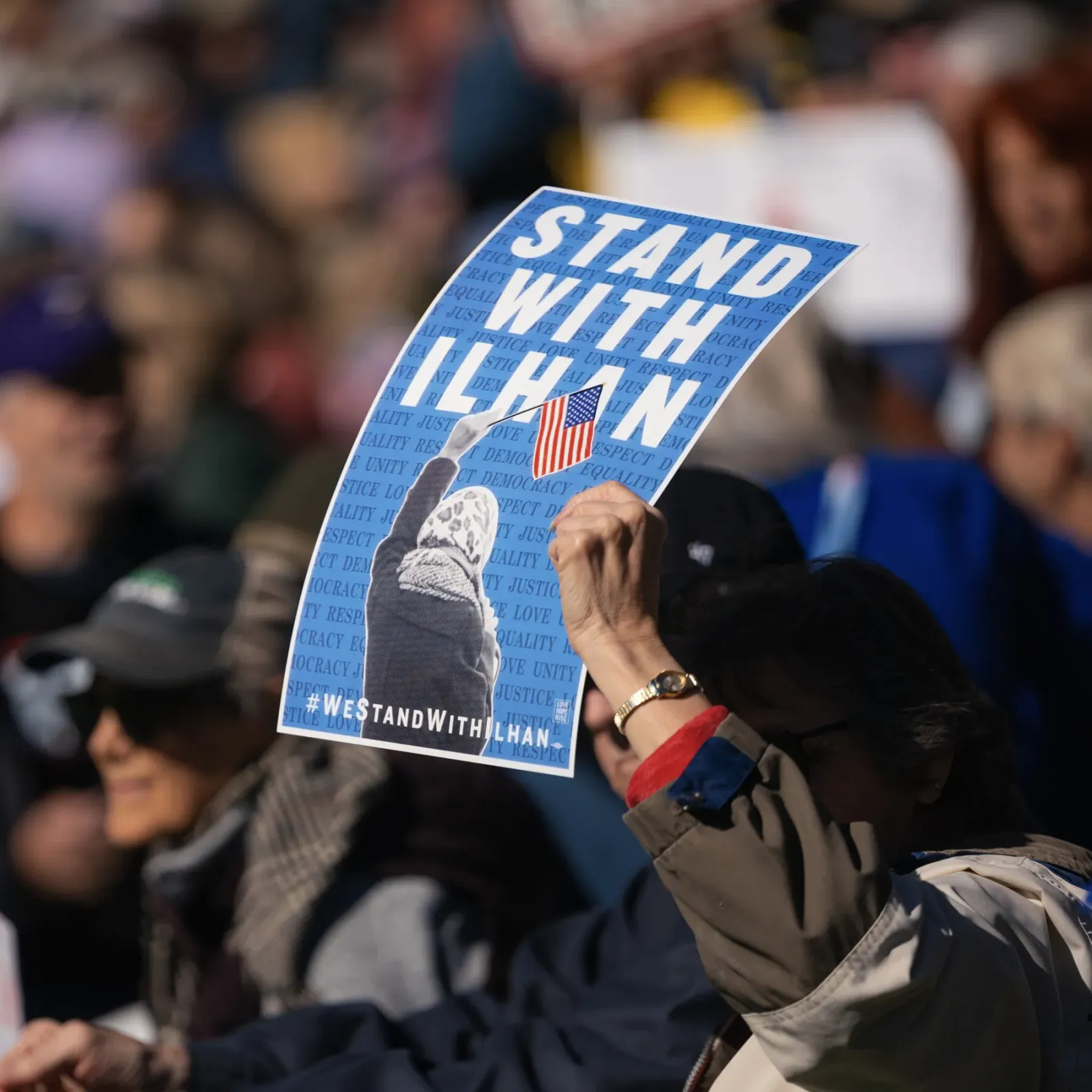
Obama Defends Ilhan Omar After Agents Search Her Home in Trump Inquiry
The former president's intervention raises the stakes in a federal probe into immigration paperwork that has put a prominent progressive lawmaker in the crosshairs.

Blair-era minister: cut welfare to fund youth job support
Alan Milburn's call for welfare cuts to fund employment support opens a Labour fight over benefits and the Neet crisis.

Hot September CPI: energy costs surge, voters feel the squeeze before midterms
The latest inflation print lands as Trump campaigns for GOP control of Congress, putting cost-of-living worries at the center of the midterm fight.