
Max Miller denies abuse allegations, vows to stay in Ohio reelection fight
Calls for resignation are growing, but the Republican congressman says he will keep campaigning despite the claims.

Rep. Max Miller (R-Ohio) denied abuse allegations made by his ex-wife and said he is “not getting out” of his reelection race. For decision-makers, the case is a live test of how political careers, reputational risk, and party discipline collide in real time.
Rep. Max Miller (R-Ohio) denied abuse allegations made by his ex-wife and said he is “not getting out” of his reelection race, even as calls for resignation mount. In a video posted to social media on Sunday, Miller pushed back hard against the characterization of him, saying, “I’ve been portrayed as an abusive husband, an abusive father and a violent man.” He added that the allegations have “damaged my reputation” and “caused enormous pain,” positioning his response as both a personal defense and a justification for staying in the race.
The stakes here are immediate and practical: resignation calls are now colliding with electoral momentum. Miller’s message is clear. He is not treating the situation as a reason to pause or step aside. Instead, he is treating it as a reputational battle to fight in public, with reelection as the end goal and the campaign as the vehicle. That matters because, in politics, the question is rarely only about facts. It is about timing, optics, and whether party and institutional actors decide that the cost of staying attached to a candidate or officeholder is higher than the cost of distancing themselves.
What makes this story land beyond Ohio is how it illustrates a familiar modern pattern: allegations surface, public figures respond with a denial, and then the real decision-making starts for everyone else. Miller posted his video to social media. That choice is not just personal. Social platforms compress response windows, amplify narratives, and turn a private dispute into a public signaling exercise. When a member of Congress responds directly in a video format, the audience is no longer only constituents. It is also party operatives, donors, activists, staffers, and media organizations watching for the next escalation.
Miller’s denial is also framed in a very particular way: he claims the allegations harmed his reputation and caused “enormous pain,” while describing himself as someone subjected to portrayals of abuse, fatherhood, and violence. In other words, he is not only denying wrongdoing. He is arguing about harm and identity, and he is doing it in a way meant to preserve legitimacy. That is strategically relevant because the core question for many observers becomes: Is this a credibility crisis that can be contained with a denial, or a disqualifying scandal that forces leadership to intervene?
From a governance and regulatory angle, it is worth separating two tracks. There is the criminal or civil track, which depends on evidence and any formal process. And there is the political or institutional track, which can be triggered by allegations regardless of whether a court has ruled. For Congress members and parties, internal consequences often emerge through reputation management, committee assignments, and party backing, rather than through a single regulator. Even without a specific regulatory finding cited in the source, the broader implication is that political institutions can react quickly to allegations because the reputational exposure is immediate, and the election calendar is ruthless.
Second-order implications also spread outward. Political endorsements, fundraising events, and coalition building rarely operate on a blank slate. Once there are resignation calls, allies have to decide what risk they are willing to carry. Donors and partners may review whether their support could become a liability, not because they have proven wrongdoing, but because the story can dominate headlines and communications cycles. That can create a feedback loop: the more the allegations occupy attention, the harder it becomes for everyone associated with the figure to ignore, even if they personally believe the denial.
There is also a staffing and internal operations angle. When members face public allegations, staffers and comms teams often have to increase crisis readiness, monitor narratives, and coordinate how the office communicates moving forward. Even if no specific internal action is described in the source, the dynamic is predictable: the absence of step-aside actions does not end uncertainty. It intensifies it, forcing the office and the campaign to operate under heightened scrutiny.
For executives, investors, and board-level decision-makers who watch politics as a proxy for broader governance risk, the Miller case is a reminder of how fast reputational events can become decision events. Miller has chosen the reelection path, publicly denying abuse allegations and insisting he will continue. Whether the political system responds with discipline or deference will be the real tell. And for peers in similar roles, the strategic lesson is uncomfortable but practical: in high-visibility leadership, silence is not neutral, denials are not self-executing, and institutional reactions can move before formal findings ever do.
This story's Key Insights and Take-aways are locked.
Create a free account to unlock Executive Actions for one credit.
Register to UnlockAlways free for Executives Club members. Join the Club
More in Politics
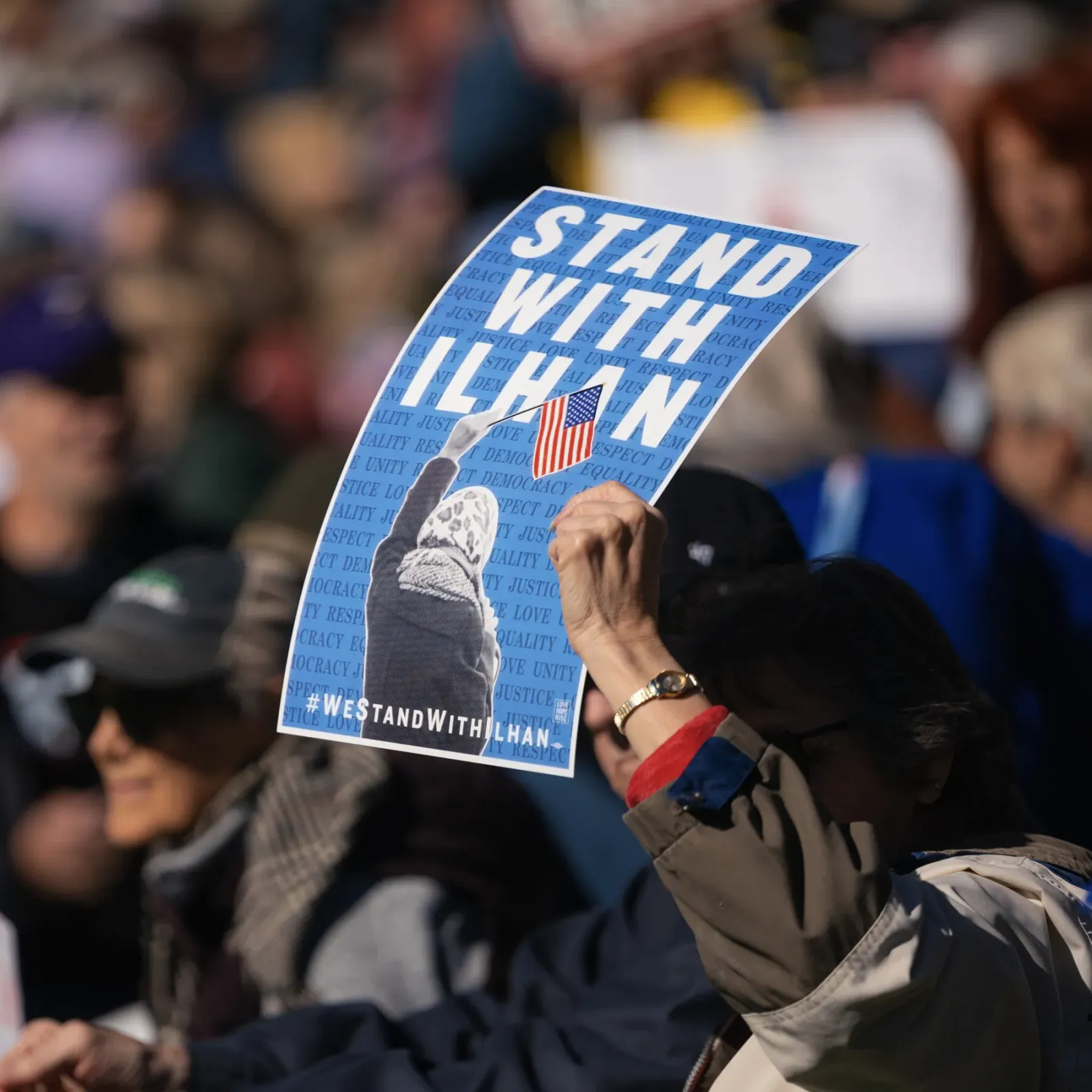
Obama Defends Ilhan Omar After Agents Search Her Home in Trump Inquiry
The former president's intervention raises the stakes in a federal probe into immigration paperwork that has put a prominent progressive lawmaker in the crosshairs.

Blair-era minister: cut welfare to fund youth job support
Alan Milburn's call for welfare cuts to fund employment support opens a Labour fight over benefits and the Neet crisis.

Hot September CPI: energy costs surge, voters feel the squeeze before midterms
The latest inflation print lands as Trump campaigns for GOP control of Congress, putting cost-of-living worries at the center of the midterm fight.