

Maye Musk, mom of world's richest person, sleeps in his Texas garage
Musk's mother tells Fox Business why a garage bed beats a 45-minute drive to a hotel suite, and why comfort loses to proximity in the family playbook.
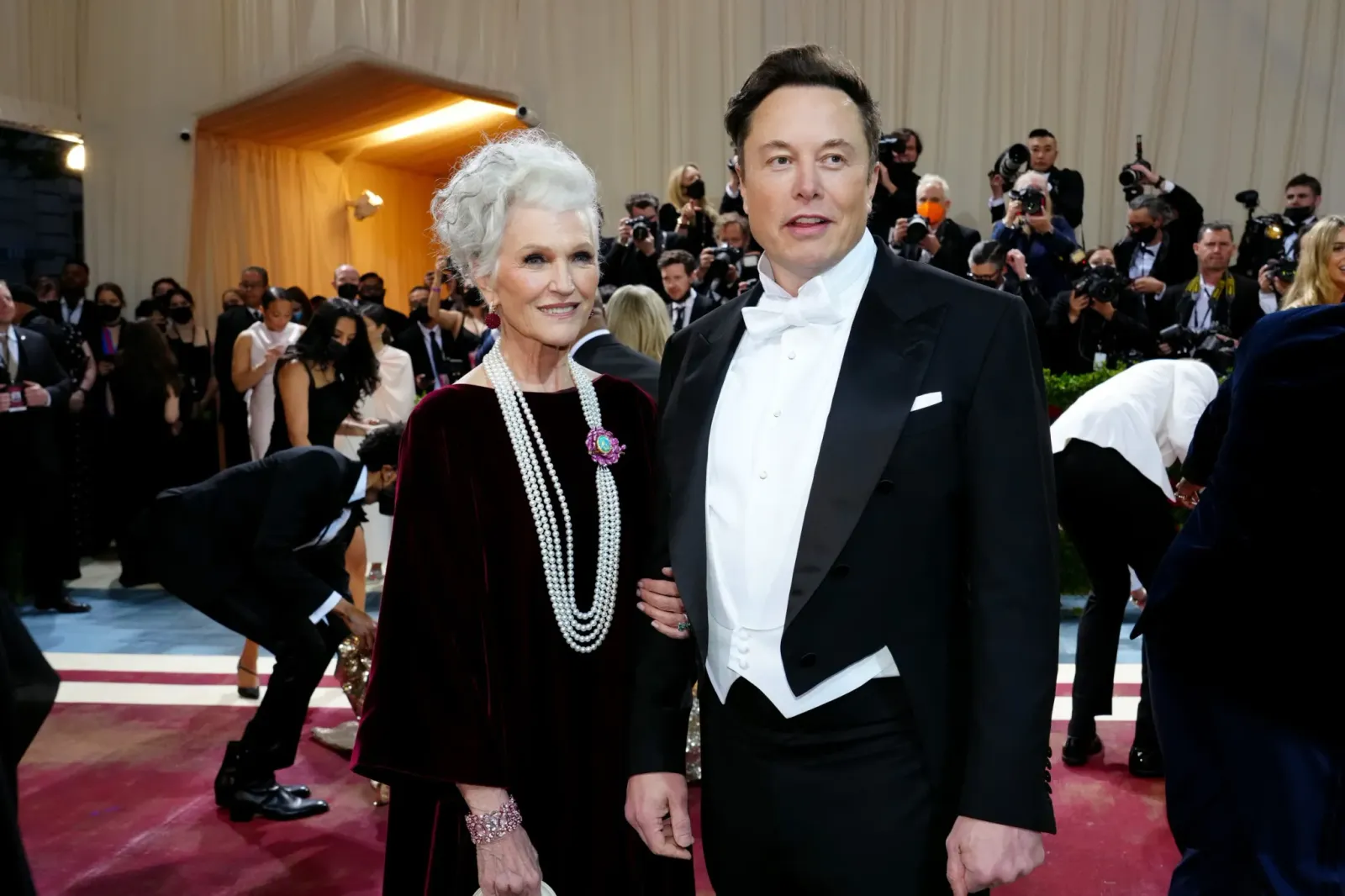
Maye Musk, mother of Tesla and SpaceX CEO Elon Musk, told Fox Business she chooses to sleep on a small bed in his Texas garage rather than drive 45 minutes to a hotel suite. The anecdote spotlights the family's work-above-comfort ethos, one Elon has applied from Tesla factory floors to an Airstream trailer in Memphis.
Maye Musk, mother of the world's richest person, slept in her son's garage on a recent visit to Texas, and she wants you to know it was a choice, not a compromise. Appearing on Fox Business over the weekend, Maye, a writer and model, described the setup at Elon Musk's Texas base, where SpaceX is headquartered, as "a small house and a small bed in the garage." When the alternative was a hotel, she recalled her own reasoning: "I can sleep there, or 45 minutes to go in a suite in a hotel. No, I'll sleep in the garage."
The choice stands out because her son is reportedly worth $942 billion, making him the richest person on the planet. It also fits the family's operating philosophy: maximize proximity to the work, treat comfort as optional, and let the mission set the schedule. Elon is currently living in an Airstream trailer in Memphis while he oversees xAI's Colossus expansion, a massive supercomputer center, and he has spent years sleeping in or near his own companies. Maye's garage bed is the maternal version of the same instinct: be close to the person you came to see, even if the suite is only 45 minutes away.
Musk's own sleeping arrangements are a running subplot in his biography. At the 2022 Baron Investment Conference, he recalled a three-year stretch when his primary residences were Tesla's factories, confessing that "for a while there I was just sleeping under my desk, which is out in the open in the factory for an important reason." The reason was visibility. "The team could see me sleeping on the floor during shift change, I was just met with nothing. They knew I was there, and that made a huge difference, and then they gave it their all." He described the experience bluntly: "It was damn uncomfortable sleeping on that floor. And always when I woke up, I'd smell like metal dust." He later traded the desk for a couch in a conference room, and after buying Twitter, now X, he told the BBC's James Clayton in 2023 that he slept in the San Francisco headquarters, in a seventh-floor library "that nobody goes to."
Maye has her own history of improvisation. She told Fox that when her mother moved from South Africa back to Canada, she slept in her garage, and when her children were at university, Maye slept "on the floor, on the couch-after taking the pizza boxes off, I mean." The family pattern suggests the Musks treat a night's rest as a functional input rather than a luxury: something to be secured as close to the action as possible, at the lowest cost in time.
The same disregard for conventional wisdom, and conventional counsel, has shaped Musk's biggest bets. Bridgewater Associates founder Ray Dalio remembers telling Musk not to sink his $180 million in proceeds from the sale of PayPal into a quest for life on Mars, the idea that became SpaceX. The company now has a market cap of more than $2 trillion. Maye offered her own advice in that era, telling Fox that Musk asked her, "Should I do electric cars, or rockets, or solar energy?" Her answer was conventional: "I said, 'You work so hard, just do one.'" Musk, in her telling, "doesn't listen to me. He did six companies, and they were all going to fail-remember? And now I'm so proud of him."
For executives, the anecdote is more than a curiosity. Musk's willingness to sleep on factory floors, in trailers, and in abandoned libraries is a deliberate, public signal of commitment, one he credits with changing how Tesla's factory teams performed: seeing the founder on the floor during shift change, he said, made a huge difference. It is also a statement about cost culture. A leader who treats a garage bed as sufficient sends an unmistakable message about overhead, and about whose comfort matters when a company is in a capital-intensive fight.
The caveat: most boards would not want their CEO sleeping under a desk, and most companies are better served by executives who manage their energy for the long haul. But the underlying principle is worth extracting. Presence at the point of maximum friction, visible sacrifice during crunch periods, and a demonstrated preference for speed over convenience are tools that still move organizations. Maye Musk's garage bed makes the case with a family's worth of evidence: comfort is a cost, and proximity is a signal. For decision-makers, the question is where a 45-minute drive is hiding in their own organizations.
This story's Key Insights and Take-aways are locked.
Create a free account to unlock Executive Actions for one credit.
Register to UnlockAlways free for Executives Club members. Join the Club
More in Business

Royal Caribbean just spent $3B to own half of Sandals
The cruise giant is buying a 50% stake in the all-inclusive resort chain for $3 billion, a bet that land-based vacations are the next growth engine.

Paramount's Ellison: Merger Clearance Done, WBD Deal by Oct 1
David Ellison says the Paramount-WBD merger has full clearance after settling with state AGs, clearing the path for an October 1 close.

Paramount settles with 12 states, $110B Warner merger clears final hurdle
David Ellison's studio avoids a March trial and a $7M-a-day ticking fee by settling with state AGs over local job losses.